About Spring Dead Spot
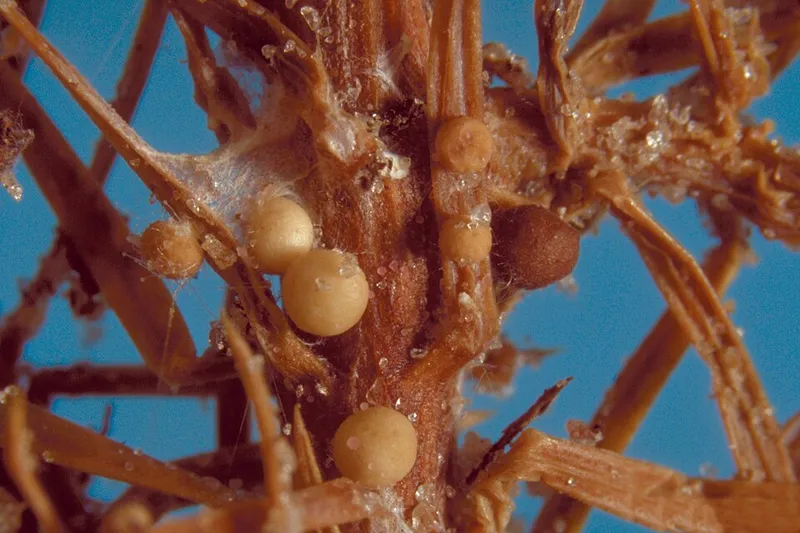
Spring dead spot is a disease of warm-season grasses, primarily Bermuda grass, that shows up as circular dead patches when the lawn greens up in spring. The fungus attacks roots and stolons during fall and winter while the grass is dormant, and the damage becomes visible only when the grass tries to wake up in spring and the infected areas fail to green up.
In Middle Tennessee, spring dead spot is relevant only if you have a Bermuda lawn. It is not a disease of tall fescue. If your fescue lawn has dead patches in spring, the far more likely causes are winter damage, localized dry spots over shallow limestone, or brown patch damage from the previous fall that the grass has not recovered from.
For Bermuda lawn owners, spring dead spot is a real concern in our transition zone. The long shoulder seasons and late frost patterns that make Bermuda challenging in Middle Tennessee also create an extended window for fall and winter root infection. Prevention requires fall fungicide applications timed before the Bermuda enters dormancy, a different timing protocol than the summer fungicide program used for fescue.
Quick Facts
- Common Name
- Spring Dead Spot
- Scientific Name
- Ophiosphaerella korrae
- Type
- Lawn & Landscape Disease
- Region
- Middle Tennessee