Lawn Fertilization for Mount Pleasant Homeowners
You're a Mount Pleasant homeowner trying to do the right thing, probably watching your neighbor's hay field out back. You grab a bag of weed and feed from the hardware store, but your grass still looks thin and off-color. The problem isn't that you aren't trying; it's that conventional lawn advice doesn't apply to the specific soil under your feet here in the Phosphate Capital.
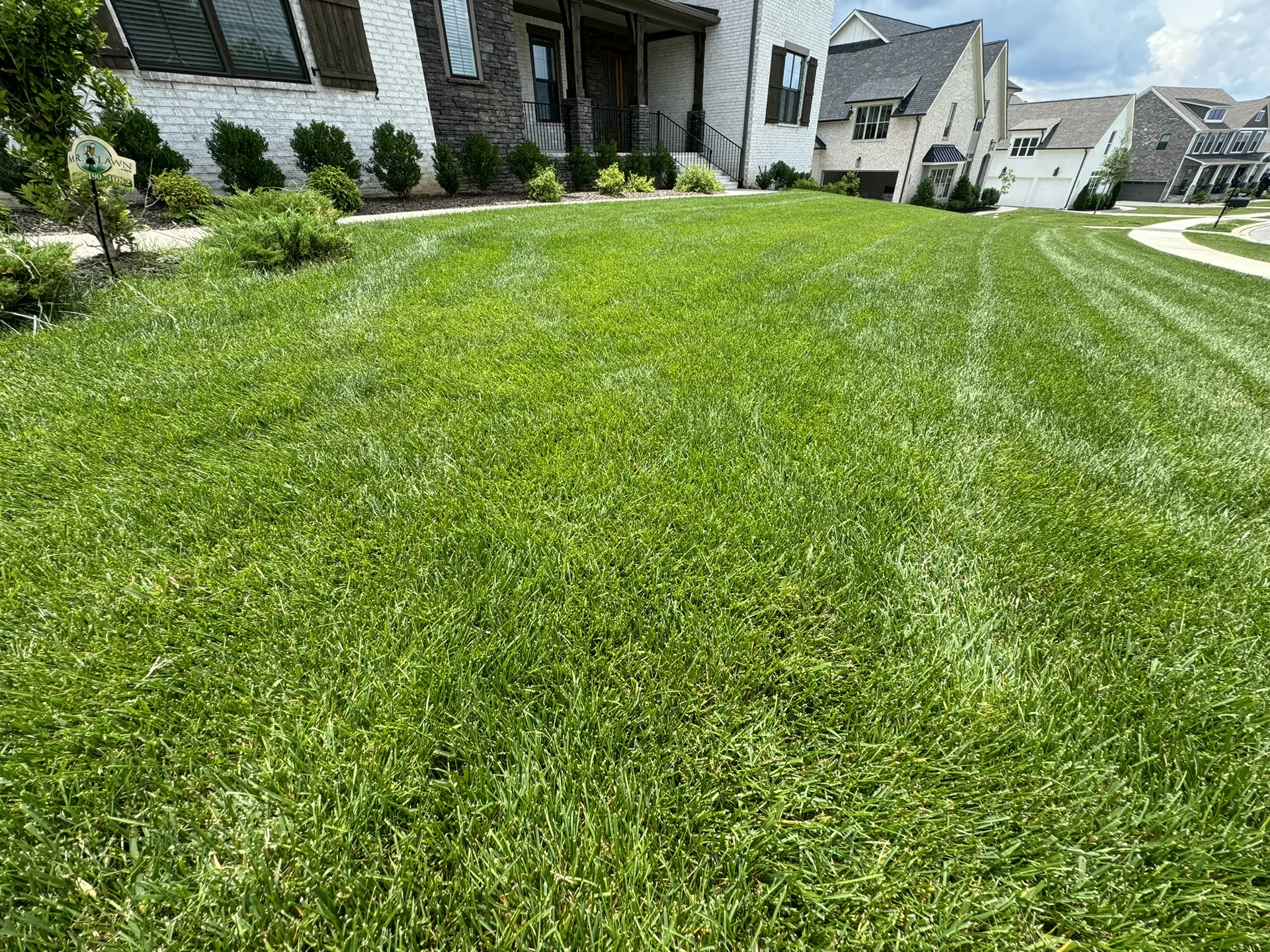
Your Mount Pleasant lawn's main struggle is nitrogen hunger, plain and simple. Our tall fescue and Kentucky bluegrass are always running a deficit, and they'll use every bit of nitrogen you can give them, right up to the point of harming themselves. The confusion starts when people are told they need a full soil test before they can even start. That's false. You do not need to waste money on a soil test just to apply fertilizer for turf grass. My approach is direct: apply nitrogen. If the grass doesn't look right after that calibrated application, then we look deeper. Starting with a soil test and reacting to every low number, especially for zinc or manganese, is a great way to spend money on nutrients that university field research has never shown to benefit turf grass in real soil.
The Mount Pleasant Soil Reality
The historic phosphate mining legacy around here means our soils are absolutely saturated with phosphorus. I see it in my aggregate data from lawns across Southern Maury County, from properties near Rattle and Snap to areas along Route 31. The readings are pegged in the red. Applying more phosphorus, like with a starter fertilizer, does nothing for your lawn and actively harms our local waterways, feeding the algae blooms you see in ponds every fall. My business approach reflects this: I pull a soil sample for every new client in the first spring, but I use it primarily to choose the right nitrogen source. I won't add other nutrients unless we've corrected everything else first; mowing, irrigation, and even foot traffic. If your grass is purple, then we'll talk phosphorus, but you're one of the rarest things in science.
Fixing Two Problems with One Source
My aggregate data shows another common thread here: high pH and emerging sulfur deficiencies. This is a nationwide shift since the EPA cleaned up diesel fuel, but it's very relevant in Mount Pleasant. So, I source smart. Knowing I need to apply nitrogen anyway, I often use ammonium sulfate. It feeds the grass nitrogen and also delivers needed sulfur. For the small amount of potassium I apply in late winter, I use sulfate of potash for the same reason. It's two birds with one stone. This is how we build a lawn that can handle the full sun exposure common on larger properties in areas like Northside or near the historic square.
Your Fall Investment in Mount Pleasant
Half of your lawn's total annual nitrogen should go down in the fall. This is non-negotiable for a healthy lawn next year. Fall root growth is roughly twice what it is in spring, and that nitrogen builds carbohydrate storage for drought protection next summer. Spring nitrogen just makes you mow more. I structure all my service plans around this principle, with a flat monthly rate that includes everything, because what you do from September forward is an investment in next year's lawn quality. For established lawns in Mount Pleasant, this fall feeding is the cornerstone. For new builds where subsoil was used, we simply adjust the nitrogen rate higher in the field. The goal is simple: a resilient lawn that performs.
Why Lawn Fertilization Matters in Mount Pleasant
Middle Tennessee's heavy clay soils and slightly alkaline pH create unique nutritional challenges for fescue lawns. High potassium levels are common, but nitrogen and phosphorus must be carefully managed. The transition zone climate requires specific timing, lighter summer feeding to prevent heat stress and heavy fall feeding for root development. Our program is built specifically around these local soil and climate realities.