About Rust
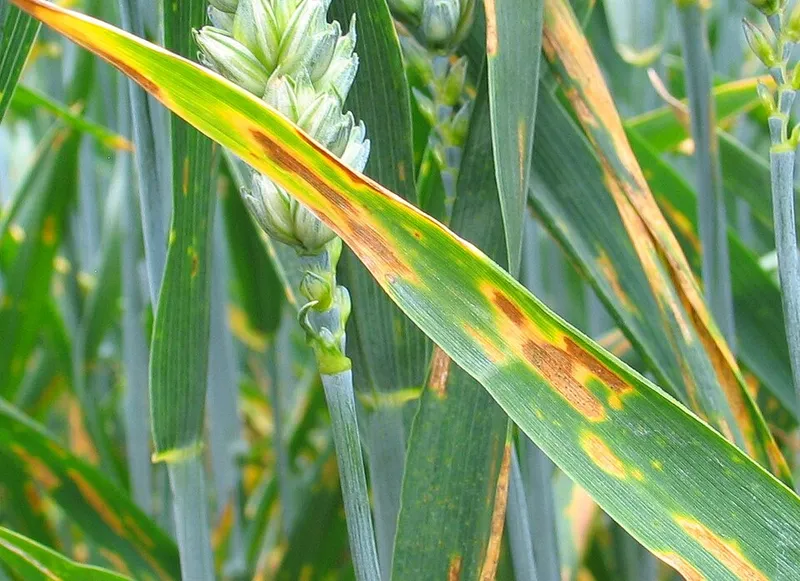
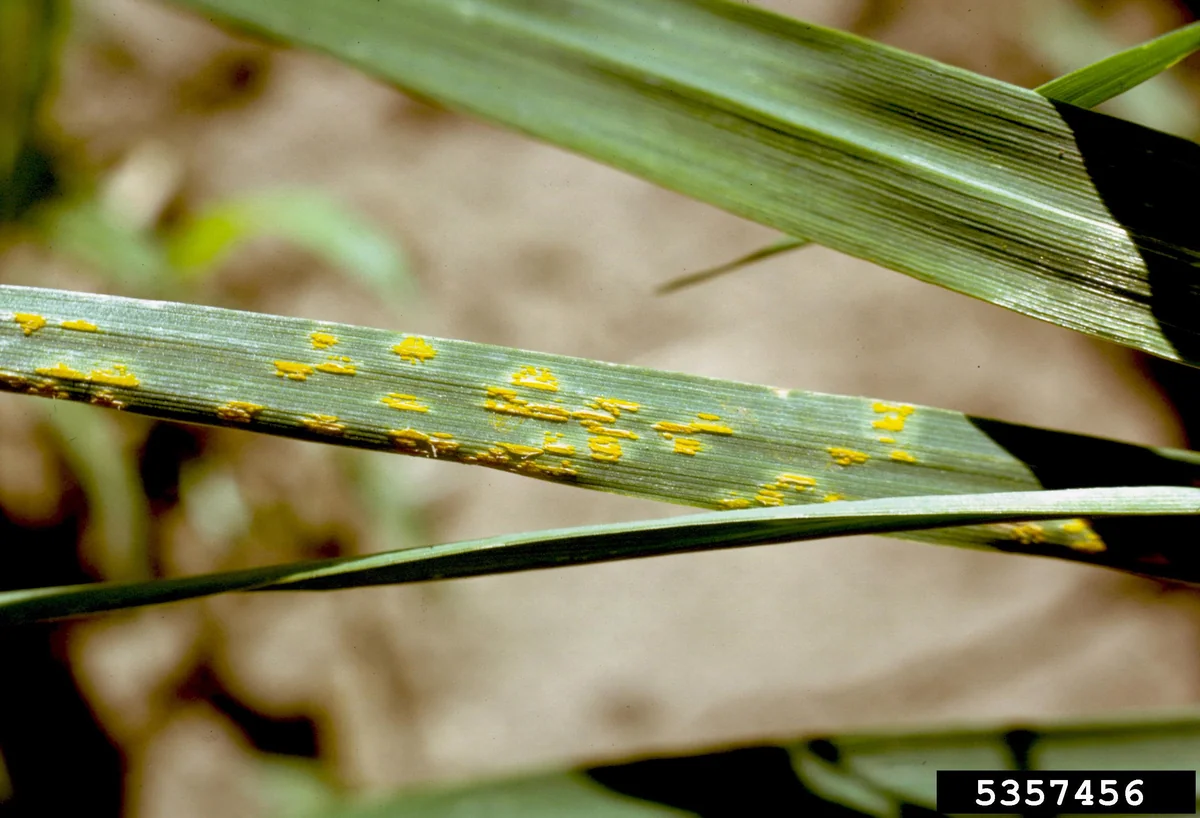
Rust (Puccinia spp.) produces the distinctive orange powder on grass blades that rubs off on shoes, mower decks, and pets. It is visible in Middle Tennessee fescue toward the end of spring and is almost entirely cosmetic, it does not significantly damage plant health.
Rust is in the same not-a-real-problem category as red thread. The window in which it is active in our climate is very short, and from an integrated pest management perspective it is not worth adding a dedicated chemistry or treatment visit. If rust shows up during May or June, the fungicides already being applied for brown patch and dollar spot prevention will address it as a side benefit.
The simple fix if rust bothers you visually: apply a little nitrogen to push fescue growth. The grass outgrows the infected tissue faster than the pathogen can spread. You can also simply mow and bag the clippings once to remove the most visibly affected leaf blades, the new growth coming in behind will be clean.
If you see orange powder on your lawn and shoes, do not call an emergency service or buy fungicide at the hardware store. It is not going to kill your grass.
Quick Facts
- Common Name
- Rust
- Scientific Name
- Puccinia spp.
- Type
- Lawn & Landscape Disease
- Region
- Middle Tennessee