About Eastern Gray Mole
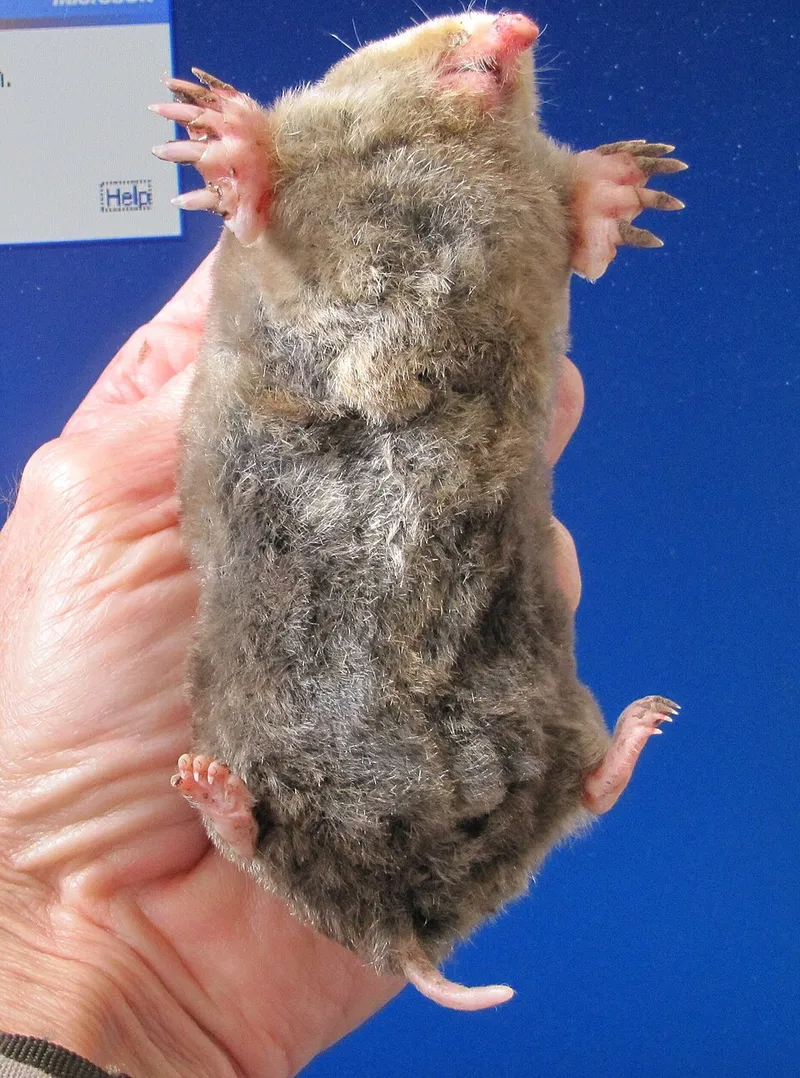
Moles are suspiciously small for the amount of damage they cause, and the softest animals you will ever touch. In Middle Tennessee, homeowners typically notice two signs: raised grass lines along hardscapes (sidewalks, driveways, pool decks, patios) and mounds of dirt near trees or where shallow limestone rock sits below the soil surface.
The raised lines along hardscapes are surface tunnels. Moles tunnel until they hit an obstruction like concrete, then follow it, these become their most-used runs because there is no other direction to go. The dirt mounds form when a mole encounters an underground obstruction (rock, root mass) and needs to push displaced dirt somewhere. That somewhere is always up, so they build a vertical shaft to the surface.
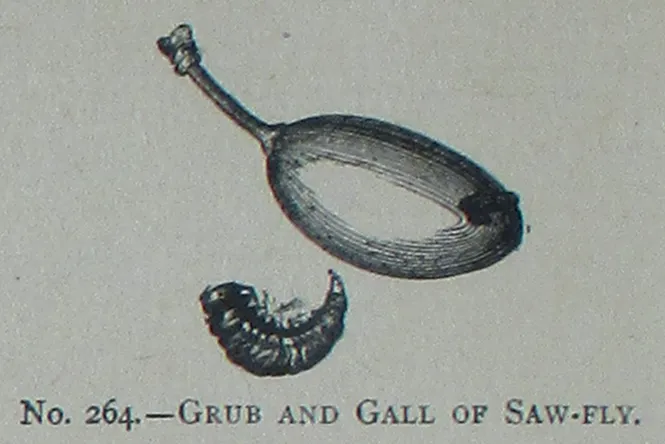
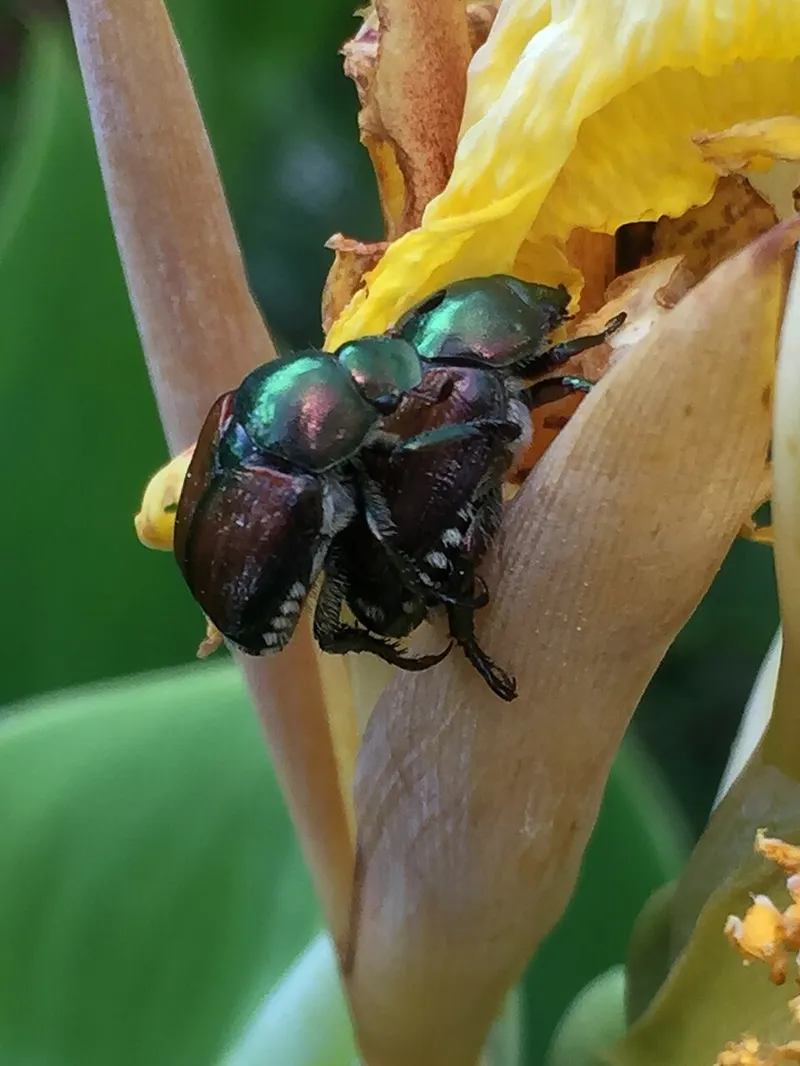
The common explanation for why moles show up, they are attracted to grubs in your soil, is partially correct but misses the real root cause. Ninety-nine times out of one hundred, there is a large tree or shrub nearby that is under stress: planted too deep, over-pruned, or lost a branch in a storm. That stressed plant converts its deep roots into carbohydrates for foliage regrowth. The new roots grow back softer and lack the defensive phytokenes that healthy roots produce. Grub populations explode in this environment of soft, undefended roots. Moles move in to feed on the grub buffet. Fix the tree health problem, and over one to two years the grub population declines and moles lose their incentive.
Moles are fiercely territorial. They constantly patrol their tunnel networks, and if two moles encounter each other they fight, unless it is mating season. This territorial behavior creates a specific problem after trapping: when you remove a mole, the neighboring mole discovers an entire pre-dug tunnel network with no resistance. It moves right in. Moles kill more of each other than we ever will.
Our mole control uses a three-part approach: in-tunnel traps (buried underground with flags for safety around kids), grub-control insecticide to remove the food incentive for replacement moles, and bait placed in tunnels for future intruders. The traps are placed in the most active runs, identified by looking for tunnels that continue through mower tire tracks (abandoned tunnels collapse under wheel traffic) and any tunnel running along a hardscape edge.
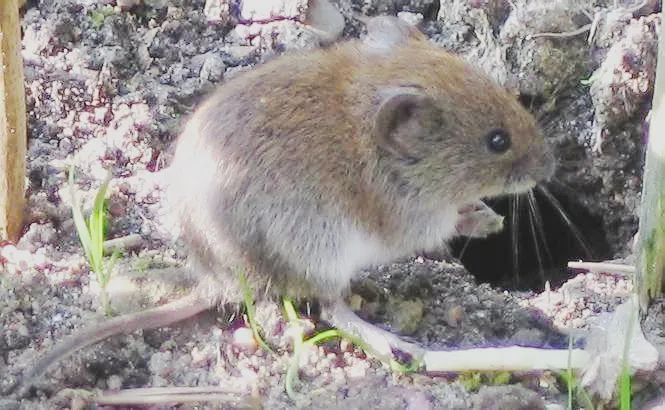
Mole traps also catch voles, which sometimes share the same tunnel network. Voles look more like mice than moles and eat plant roots rather than insects. They are rare in our service area.
As for the home remedies Google suggests: sonic spikes do not work (tested and verified). Bubble gum in the tunnels does not work. Castor oil provides maybe two weeks of temporary repellency and smells terrible. Professional trapping combined with grub control and tree health management is the only approach that produces lasting results.
Moles are most common in Belle Meade (old-growth trees, large lots), older Columbia neighborhoods, and HOA developments that are five to eight years old, where builder-planted trees were installed too deep and are now stressed enough for the grub cascade to begin.
Quick Facts
- Common Name
- Eastern Gray Mole
- Scientific Name
- Scalopus aquaticus
- Category
- Household Pest
- Region
- Middle Tennessee