About Soil Compaction
Soil compaction is real, but core aeration does not fix it for more than a few weeks at best. This is one of the most over-sold concepts in the lawn care industry. Companies market aeration as a silver bullet for compaction, but the soil settles back within weeks of the cores being pulled.
The real reason we perform core aeration is not compaction relief, it is the least aggressive way to ensure seed-to-soil contact for overseeding. Core aeration creates pockets in the soil surface where seed can touch bare dirt without killing existing grass. It does not disrupt the existing turf the way slit-seeding or dethatching does, and it produces enough openings for reliable germination across the entire lawn.
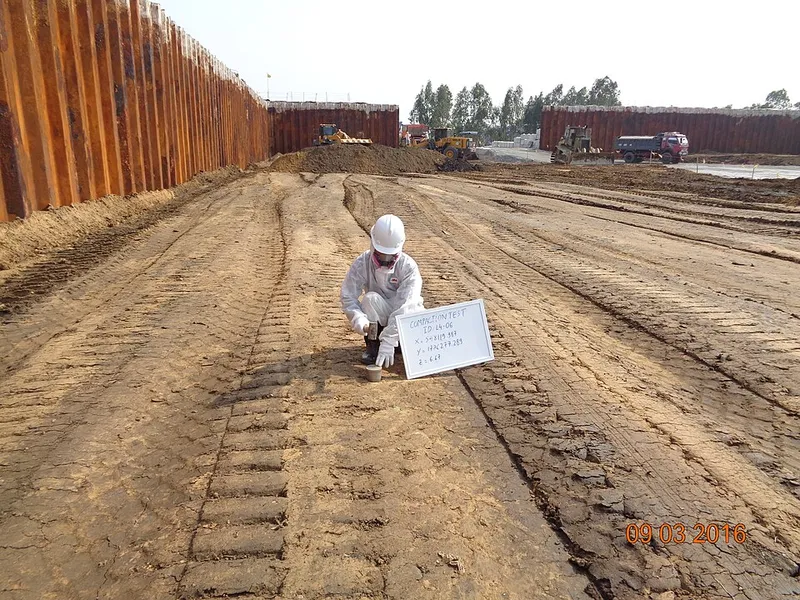
That said, compaction is a real problem in Middle Tennessee, especially in new construction where heavy equipment (caterpillars, concrete trucks, lumber deliveries) compressed the soil for months before a thin layer of topsoil was spread on top. The heavy clay soils common throughout Maury and Williamson counties compact easily and restrict root growth and water absorption.
High-traffic yards benefit the most from regular aeration. The block-party house that hosts events twice a month, or the kid who practices soccer in the backyard five days a week, those yards get real value from spring and fall aeration. For a typical residential lawn with normal foot traffic, fall aeration paired with overseeding is sufficient.
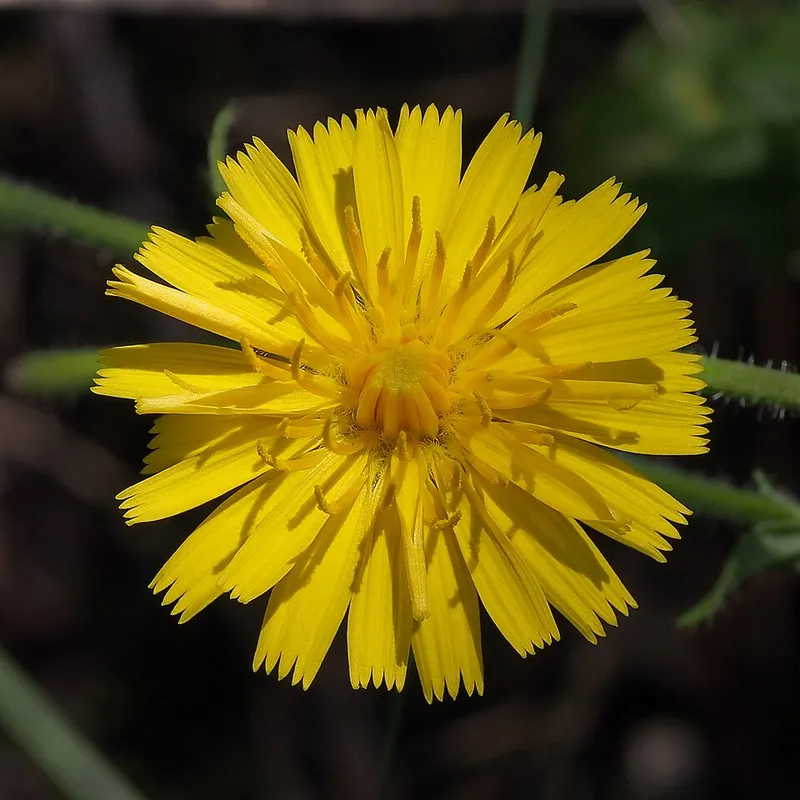
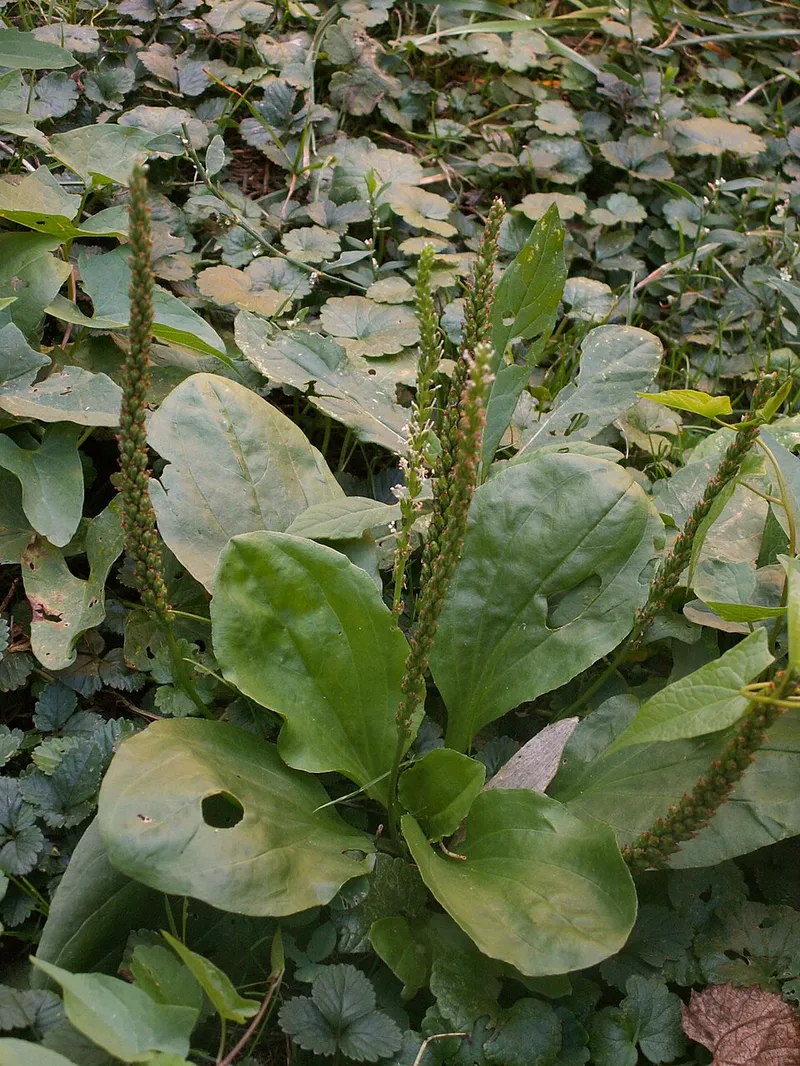
Dandelions and plantain are useful visual indicators of compacted soil. Even between two untreated lawns, the one with more compaction will have more dandelions. If you are seeing heavy dandelion populations and want a long-term fix, the real answer is amending the soil with organic matter over multiple seasons, not just poking holes in it once a year.
We combine core aeration with liquid aeration, which improves moisture retention around the seed and speeds up germination, particularly important in unirrigated or under-irrigated lawns that rely on rain and dew.
Quick Facts
- Common Name
- Soil Compaction
- Scientific Name
- N/A
- Type
- Abiotic Disorder (Non-Living Cause)
- Region
- Middle Tennessee