About Drought Stress
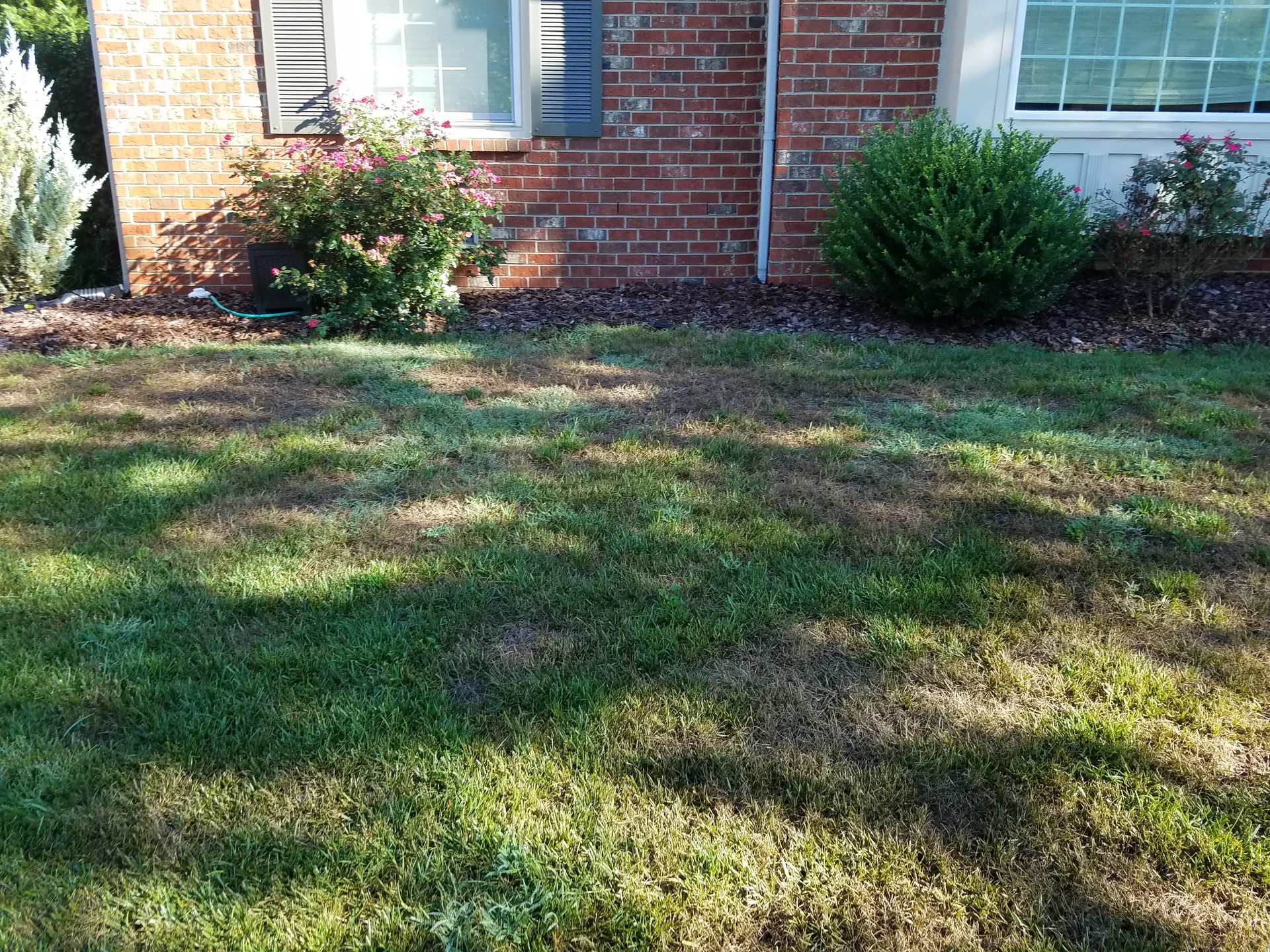
Drought stress in Middle Tennessee fescue lawns is one of the most commonly misdiagnosed conditions. Homeowners see brown grass in July, assume it is dying from lack of water, and either panic-water (which increases disease risk) or panic-reseed (which wastes seed in the heat). The reality is that what they are seeing might be drought stress, summer dormancy, or fungal disease, and these three conditions look different if you know what to look for.
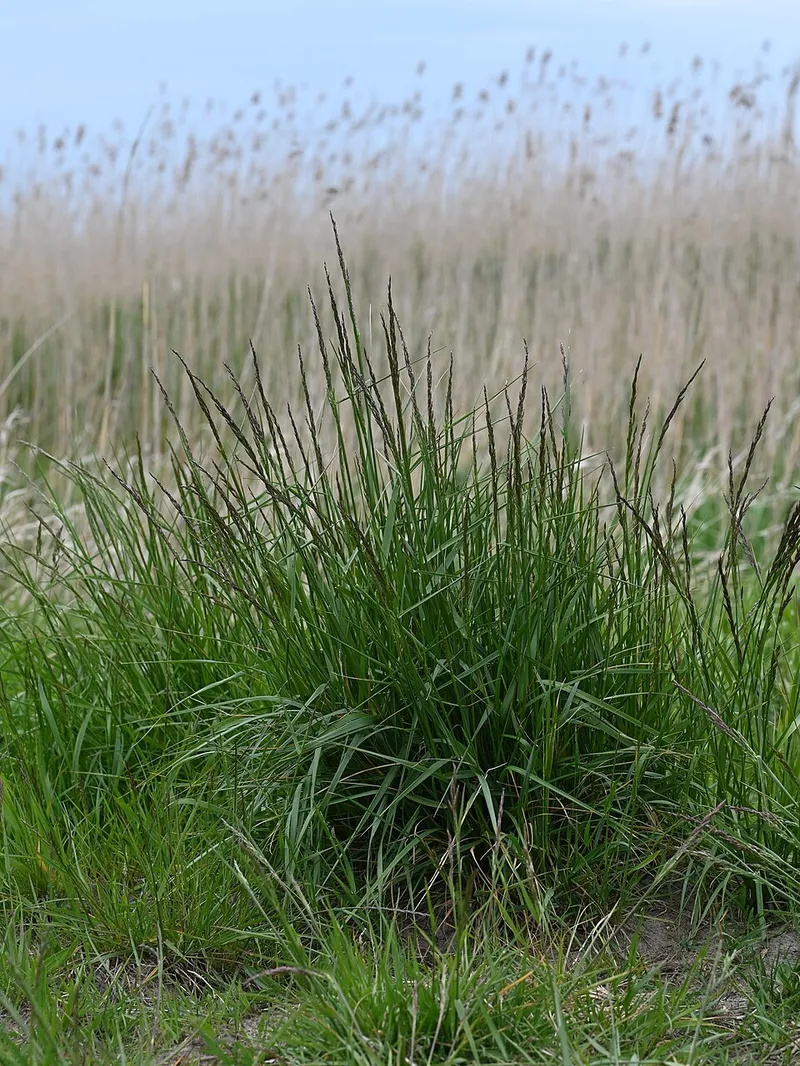
Drought stress has a distinctive visual progression on individual leaf blades. In the early stage, the leaf blade, normally flat when viewed from the side, begins curling its edges upward vertically, forming a canoe shape. This curl creates shade on the center of the blade, reduces surface area exposed to sunlight, and slightly lowers plant temperature. As water leaves the cells, they shrink, but the chlorophyll stays. The grass actually gets darker, taking on a deeper blue-green color. Light catches these canoe-shaped blades differently, giving the lawn a different visual texture even from a distance. In advanced drought stress, the blades curl so much they look almost like straws.
True summer dormancy on fescue is extremely rare in Middle Tennessee, we have seen it exactly once in nearly fifteen years of practice. To enter dormancy, the grass needs to grow tall (five to six inches), then go without rain for at least two weeks straight, and it has to survive disease pressure throughout that entire transition. What dormancy looks like: the grass turns grayish or grayish-brown, stays erect and brittle. It will rehydrate and recover with rain.
Disease damage, brown patch or dollar spot, looks completely different: the grass is matted down, greasy or oily in texture, not brittle, not erect. If your brown grass is flat and slick, it is disease, not drought.
The three-way diagnostic: erect plus grayish-brittle equals dormancy (alive, will recover). Canoe-curled plus dark blue-green equals drought stress (alive, needs water or will enter dormancy). Matted plus greasy plus flat equals disease damage (may be dead, do not add more water).
In areas with shallow limestone beneath the soil surface, localized dry spots appear as wilted grayish-brown patches surrounded by lush green fescue. The shallow rock prevents roots from reaching deeper moisture reserves and heats up fast in summer, cooking the roots above it.
Quick Facts
- Common Name
- Drought Stress
- Scientific Name
- N/A
- Type
- Abiotic Disorder (Non-Living Cause)
- Region
- Middle Tennessee