About Brown Patch
Brown patch (Rhizoctonia solani) is the single most destructive fungal disease of fescue lawns in Middle Tennessee, and it is not a question of if your lawn will get it, it is a question of when. In our subtropical climate zone, plants stay soaking wet for up to twelve hours every single day from dew alone, regardless of rainfall. Pair that constant moisture with nighttime temperatures above 75 degrees Fahrenheit from May through August, and you have the perfect breeding ground for Rhizoctonia. Imagine what the inside of your home would look like if it were wet a few hours each day, there would be mold everywhere. That is what is happening to your lawn.
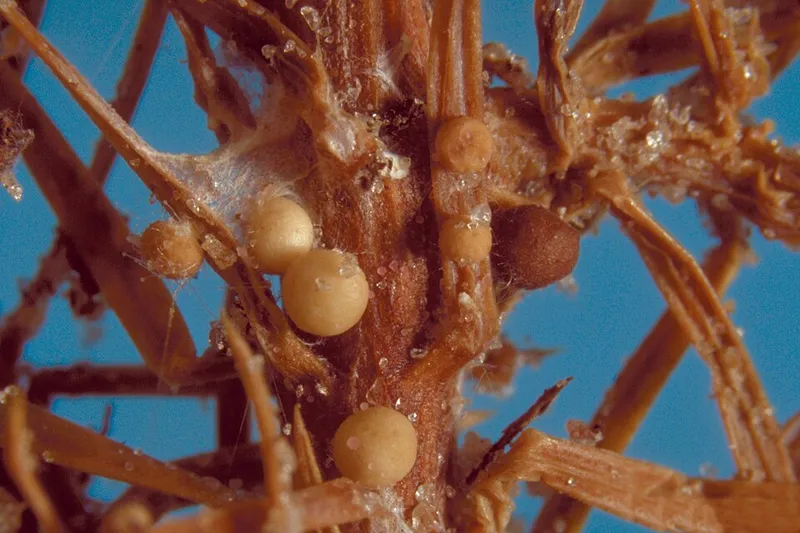
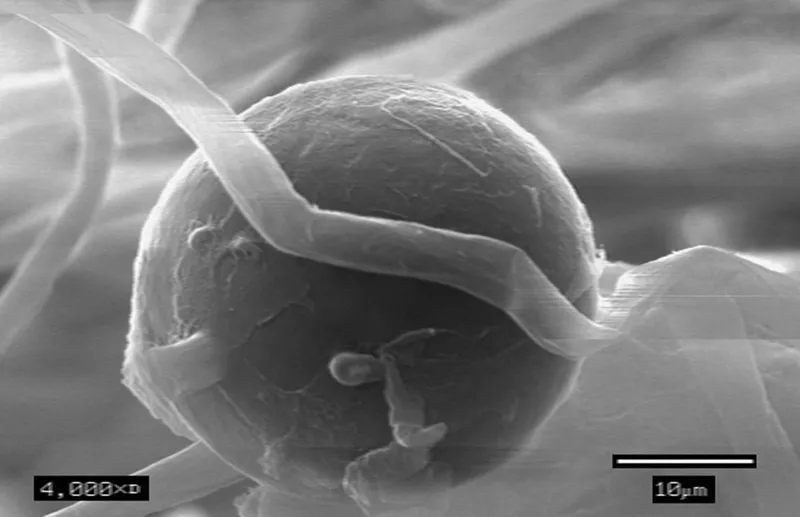
Brown patch does not produce spores. It is classified in the mycelia sterilia group, fungi with sterile mycelium. It spreads by direct contact: infected plant tissue touches healthy plant tissue in the wind, a mower runs over an infected area and carries mycelium to the next section, or water carries the fungus downhill. This is why brown patch damage often tracks mowing patterns and slopes.
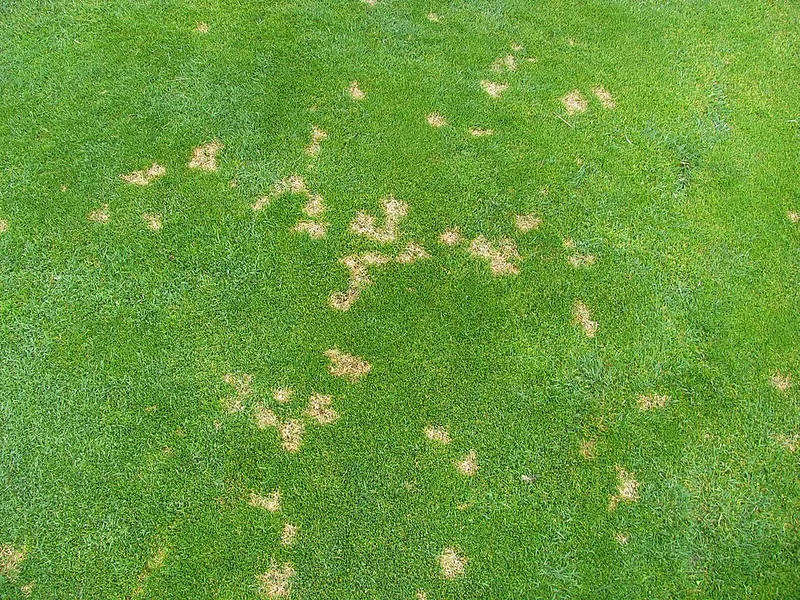
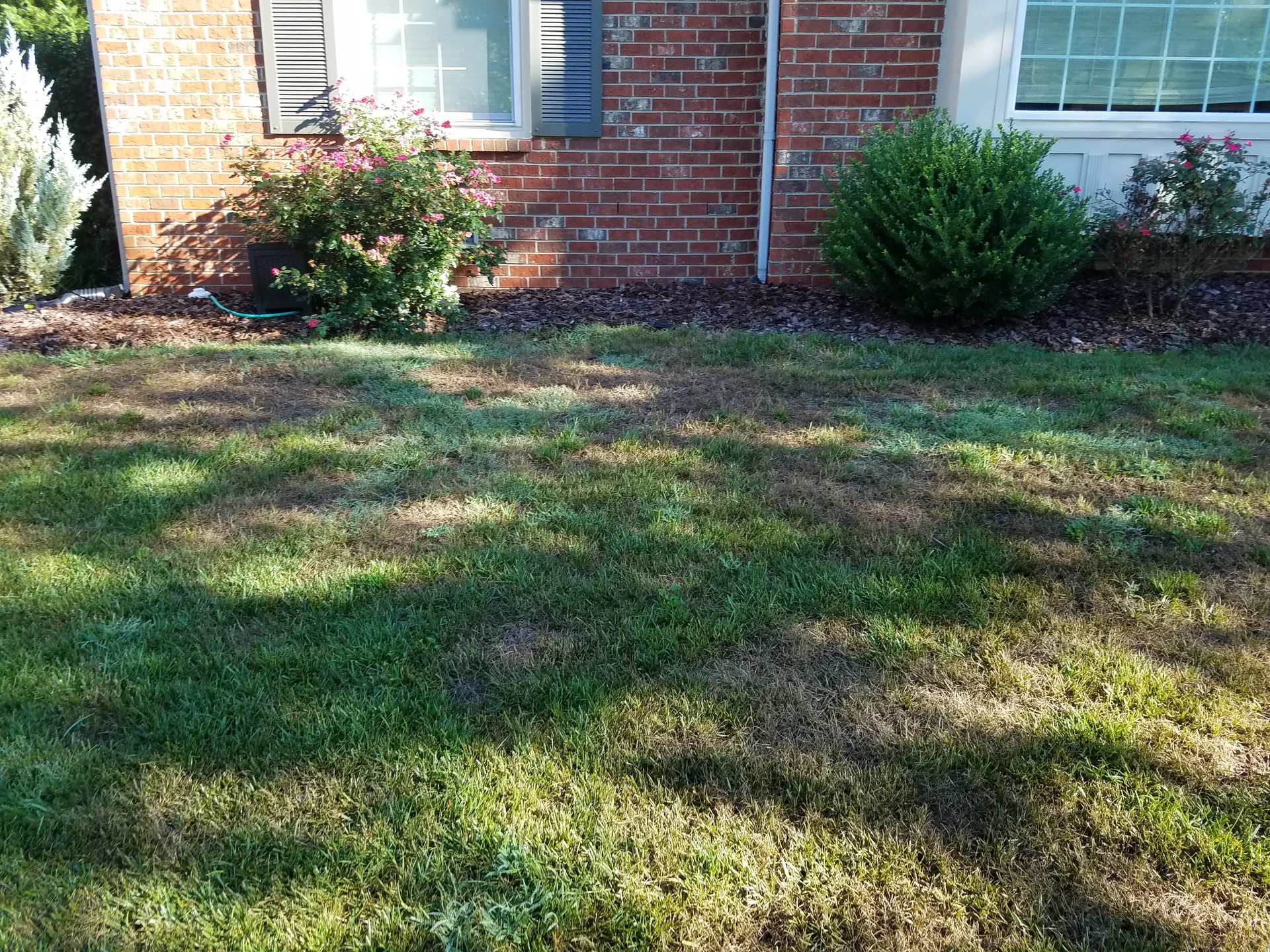
The classic visual symptom is the bullseye or smoke ring pattern, a brown circle of dead grass with a slightly darker green border ring. That green ring forms because the pathogen breaks down plant tissue and releases nitrogen, giving the surrounding grass a flush of color. You may also see green grass in the center for the same reason. As the disease spreads and patches coalesce, the classic bullseye disappears and you just see large brown areas. At that stage, most homeowners assume it is drought, and they water more, which makes the fungus dramatically worse.
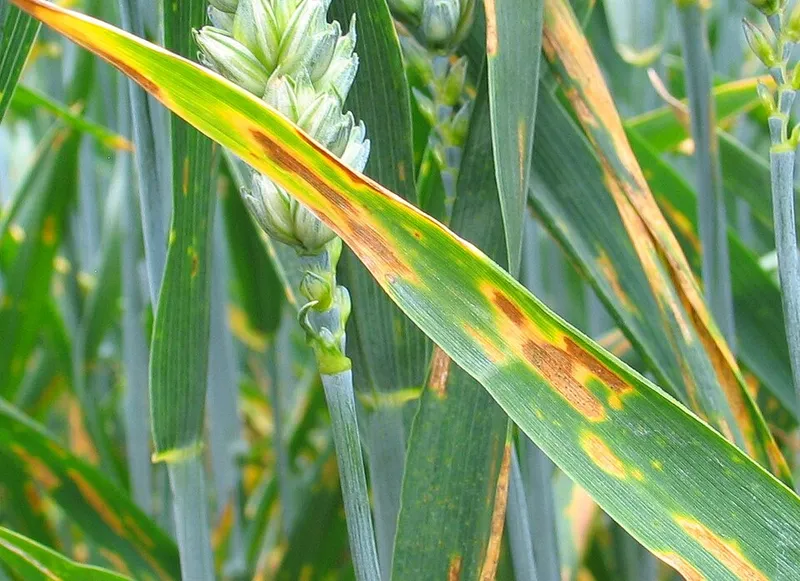
For a definitive field identification, walk to the edge of the affected area where brown transitions back to green. Pull up some green leaf blades and examine them closely. Brown patch lesions are vertical, they run along the length of the blade, are prominent but do not span the full blade length, and appear gray or brown depending on the pathogen lifecycle stage. This vertical lesion pattern distinguishes brown patch from dollar spot, which produces horizontal lesions that band across the blade.
The best fungicide chemistries available last only twenty-eight days. This means prevention requires applications on a twenty-eight-day cycle from May through August, four treatments per summer. The first treatment in May uses propiconazole, chosen specifically because it also suppresses Bermuda grass and wild violets at that time of year. Every treatment after that uses a combination of fungicide modes of action to prevent resistance buildup. Granular fungicides sold at big-box stores do not work for brown patch, they have no upward mobility through the grass blade. You must spray liquid fungicide for effective control.
The label says to apply fungicides preventively, and the label is the law. Repeated curative-only use, waiting until you see brown patch and then spraying, creates fungicide-resistant strains. Once resistance develops, there are almost no backup chemistries available for ornamental horticulture pest control. We have access to roughly ten percent of what golf courses can use. Maintaining fully controllable disease populations is critical.
A plant fighting disease has fewer resources for everything else. Remove disease from the equation and your lawn becomes dramatically more drought-tolerant, can survive mowing mistakes, can handle foot traffic from barbecues and kids playing, and can skip a week of irrigation. It is not spending all those valuable resources trying to fight the fungus.
Quick Facts
- Common Name
- Brown Patch
- Scientific Name
- Rhizoctonia solani
- Type
- Lawn & Landscape Disease
- Region
- Middle Tennessee