
About Over-Irrigation
Over-irrigation is one of the most common self-inflicted lawn problems in Middle Tennessee, and it causes damage through two mechanisms that most homeowners do not understand.
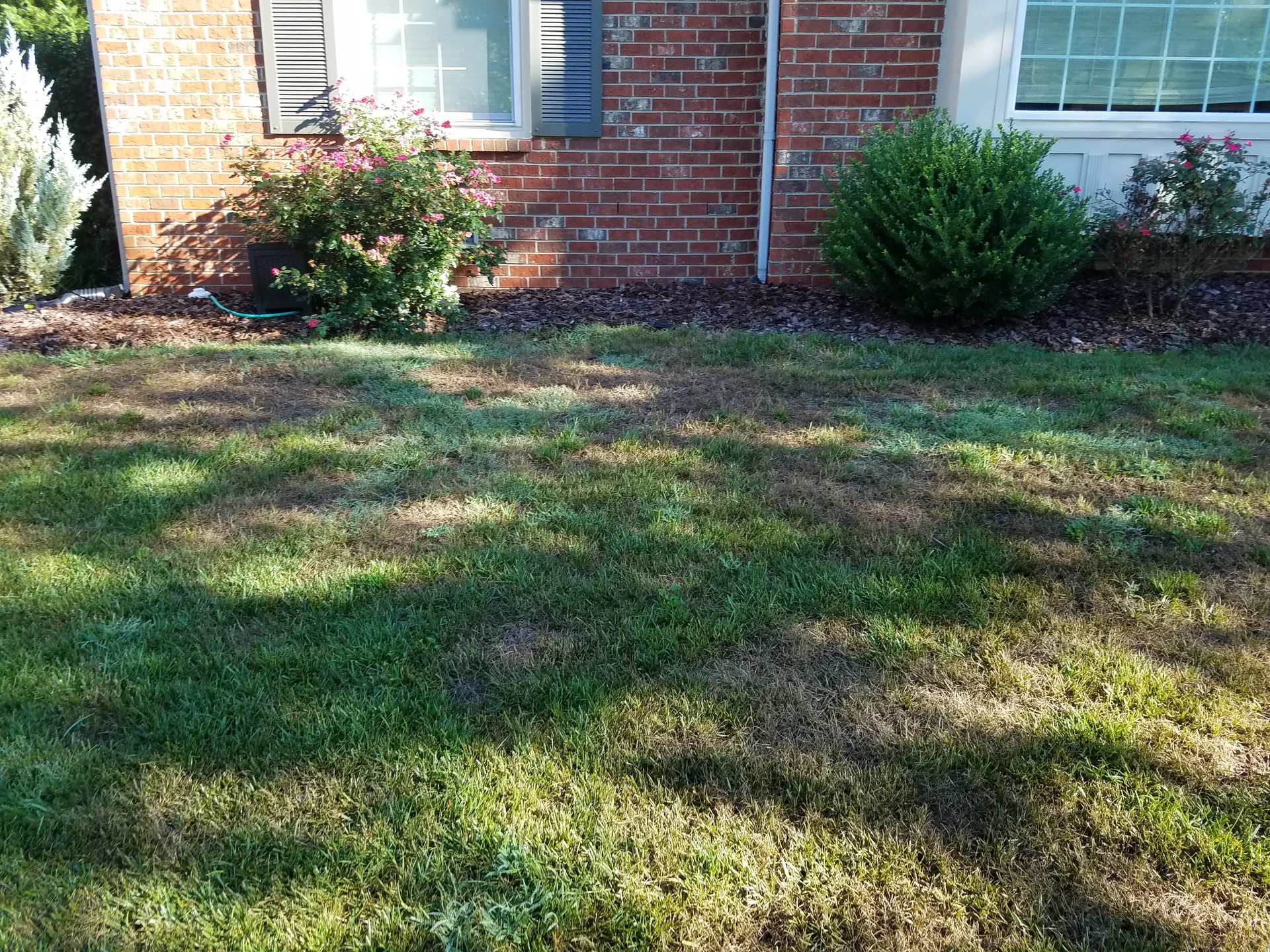
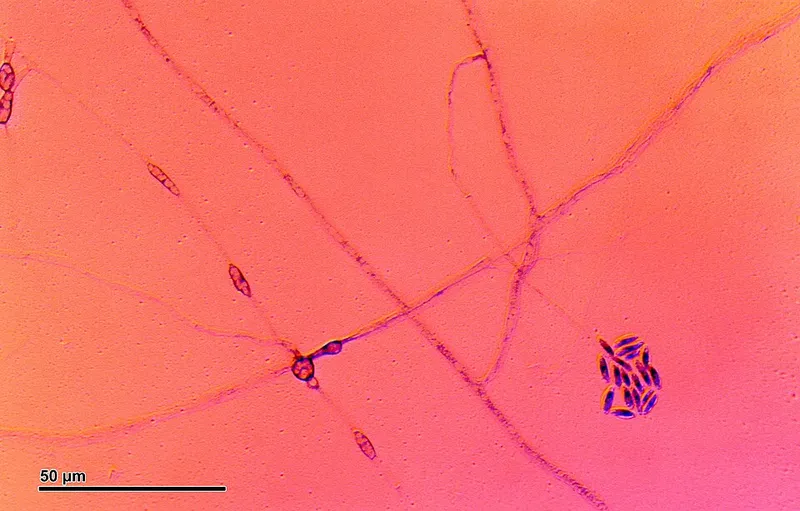
First, the disease connection. Extended leaf wetness is the primary driver of brown patch, dollar spot, and pythium blight. Every extra hour your grass stays wet increases fungal disease pressure. When you irrigate your entire lawn for thirty minutes every morning in addition to the twelve hours of dew wetness Middle Tennessee already provides, you are creating ideal conditions for the very diseases that kill fescue lawns every summer.
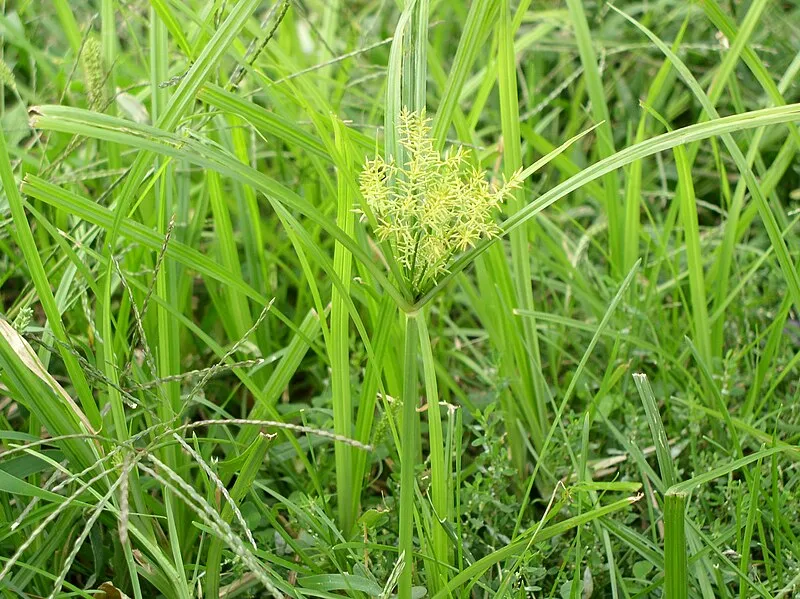
Second, the nutsedge connection. There is a direct correlation between how much you irrigate past one inch per week and how much yellow nutsedge you have in your lawn. You cannot keep pounding water into your turf and expect nutsedge to stay away. Past one inch per week of total water (rain plus irrigation), every additional amount feeds the nutsedge population proportionally.
The honest truth about fescue irrigation in Middle Tennessee: fescue is deep-rooted and drought-tolerant. It does not need daily watering. The real value of irrigation is as a soil temperature control tool, short supplemental runs of three to five minutes on hardscape-edge zones only, where construction gravel heats the soil and kills fescue through thermal stress. Watering your entire lawn the same way wastes water, increases disease, feeds nutsedge, and does not meaningfully help the grass.
If you have an irrigation system, the most important improvement you can make is zone separation: put all hardscape-adjacent heads on their own zone so you can give those edges extra short runs without over-watering the rest of the lawn.
Quick Facts
- Common Name
- Over-Irrigation
- Scientific Name
- N/A
- Type
- Abiotic Disorder (Non-Living Cause)
- Region
- Middle Tennessee