About Yellow Nutsedge
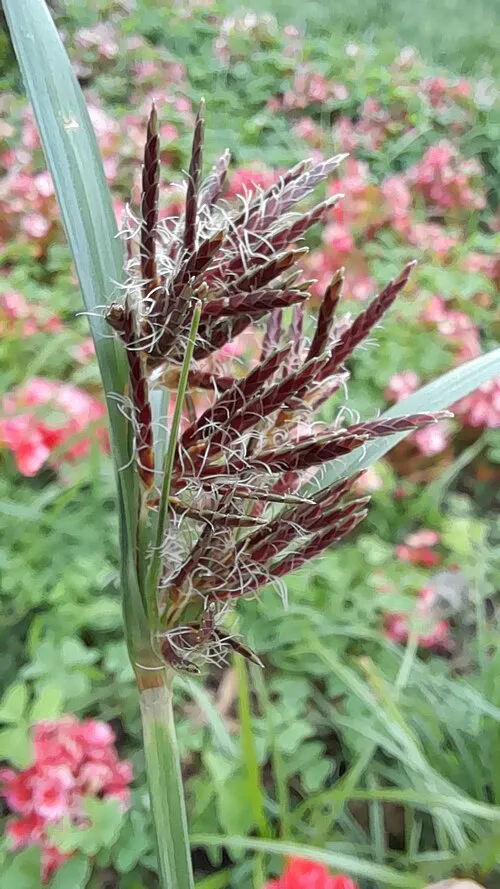
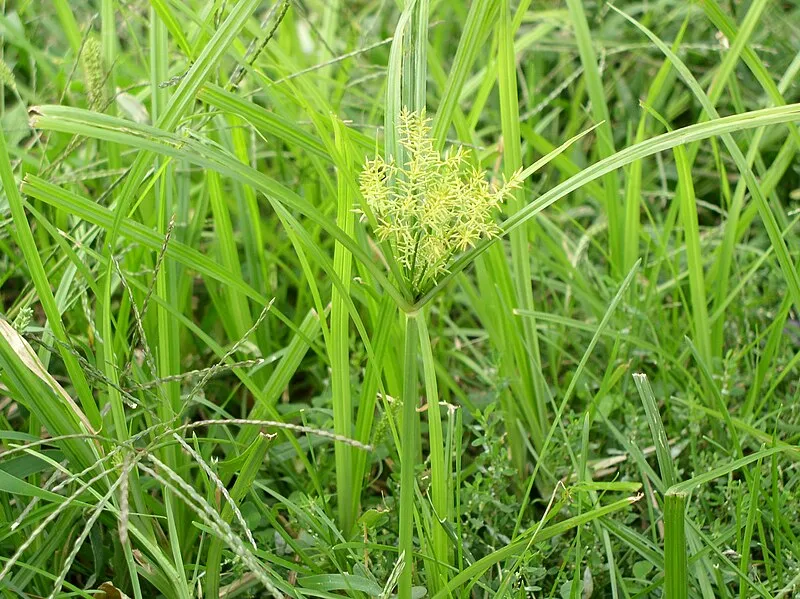
Yellow nutsedge (Cyperus esculentus) is a perennial sedge, not a grass, not a broadleaf, and it is the single most common summer weed complaint across Middle Tennessee. Everybody has yellow nutsedge. It is just waiting for the right conditions to thrive.
Nutsedge is triggered by three things: poorly-draining soil, warm soil temperatures (typically past April 15th), and moisture. Even the shallowest depression that holds water for an extended period after a heavy rain can produce nutsedge you have not seen in two years. It is an extraordinarily patient weed, perennial, never truly dies, and when conditions line up it spreads very rapidly through underground tubers (nutlets) that can persist in soil for years.
There is a direct correlation between how much you irrigate past one inch per week and how much nutsedge you have. You cannot keep pounding water into your turf and expect nutsedge to stay away. Fixing drainage issues is often more effective than any herbicide application. Something as simple as installing a pop-up emitter drain line from a roof downspout, a three-foot trench with materials from Home Depot, can eliminate a chronic nutsedge spot by redirecting the water that was pooling there.
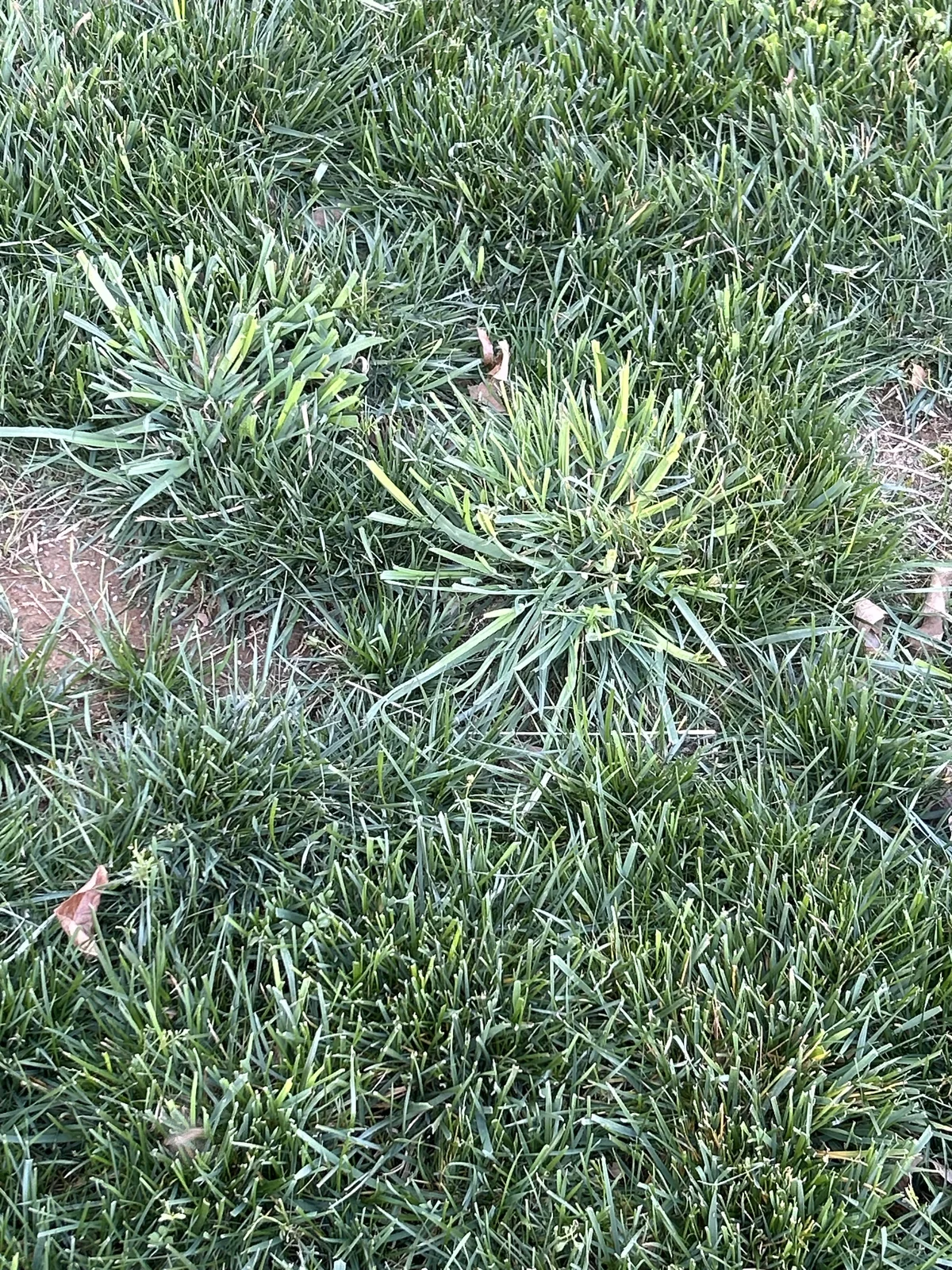
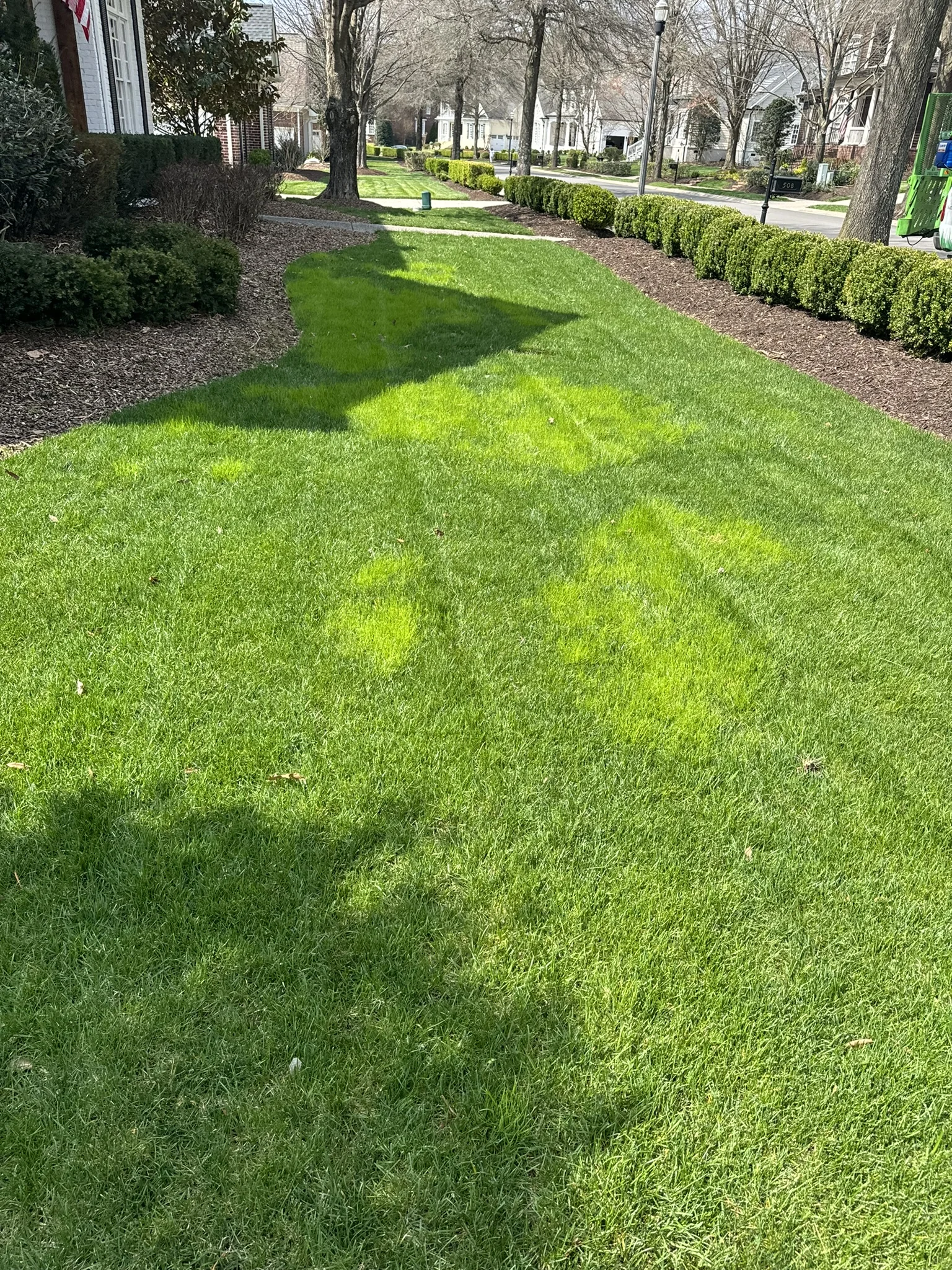
Google and most lawn care resources tell homeowners to treat nutsedge in midsummer when they see it. That is the wrong approach for our climate zone. By midsummer, the plant is fully established and the post-emergent chemistries that affect nutsedge are volatile enough in the heat to burn fescue tips. The right window is February through April. Nutsedge begins emerging during warm stretches as early as late February, we have photographed it at the Ridley Sports Complex in Columbia in mid-March, growing in perfectly manicured athletic turf with no gravel or construction debris raising soil temperatures. If crabgrass is going to emerge around March 15th, summer perennials like nutsedge are emerging then too.
The most effective treatment strategy uses what we call the two-birds approach: when you have a visible weed problem and two chemistry options that both control it, choose the one that also affects nutsedge. You get the added benefit at no extra effort, and applying these chemistries in cool spring temperatures dramatically reduces phytotoxicity risk compared to the hot midsummer applications that most companies default to.
Yellow nutsedge is far more prolific than its cousin purple nutsedge (Cyperus rotundus), which is harder to kill but only seen in Brentwood, Belle Meade, and some Franklin properties, likely introduced on contaminated sod or nursery stock decades ago.
Quick Facts
- Common Name
- Yellow Nutsedge
- Scientific Name
- Cyperus esculentus
- Type
- Turf Weed
- Region
- Middle Tennessee