About Dallisgrass
Dallisgrass (Paspalum dilatatum) is one of the most difficult perennial grassy weeds in Middle Tennessee fescue lawns, and almost every homeowner who thinks they have crabgrass actually has dallisgrass or Johnson grass instead. It is concentrated in Spring Hill and newer construction areas throughout Maury and Williamson counties, where its seeds arrived in the construction straw used during post-build overseeding. That straw is nothing more than chopped-up dried farm grass, and it is full of weed seed, including dallisgrass, which is classified as "other crop seed" rather than a noxious weed by Oregon seed testing labs, meaning it has higher allowable contamination thresholds than truly noxious species.
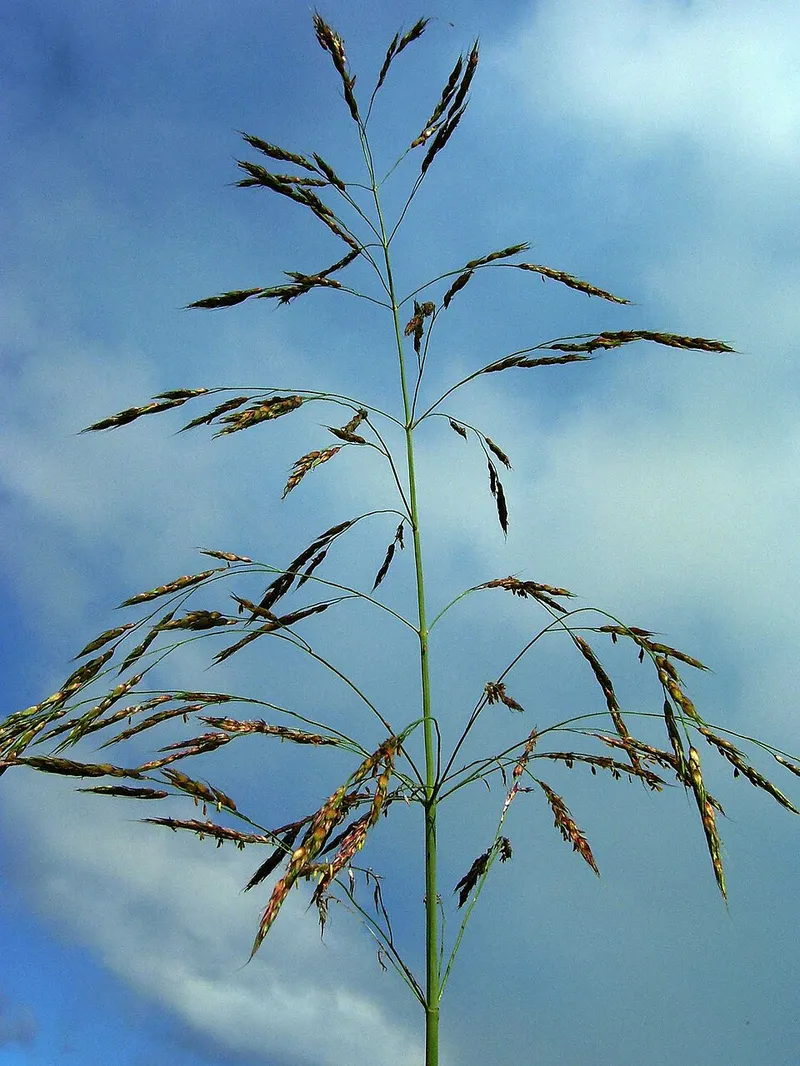
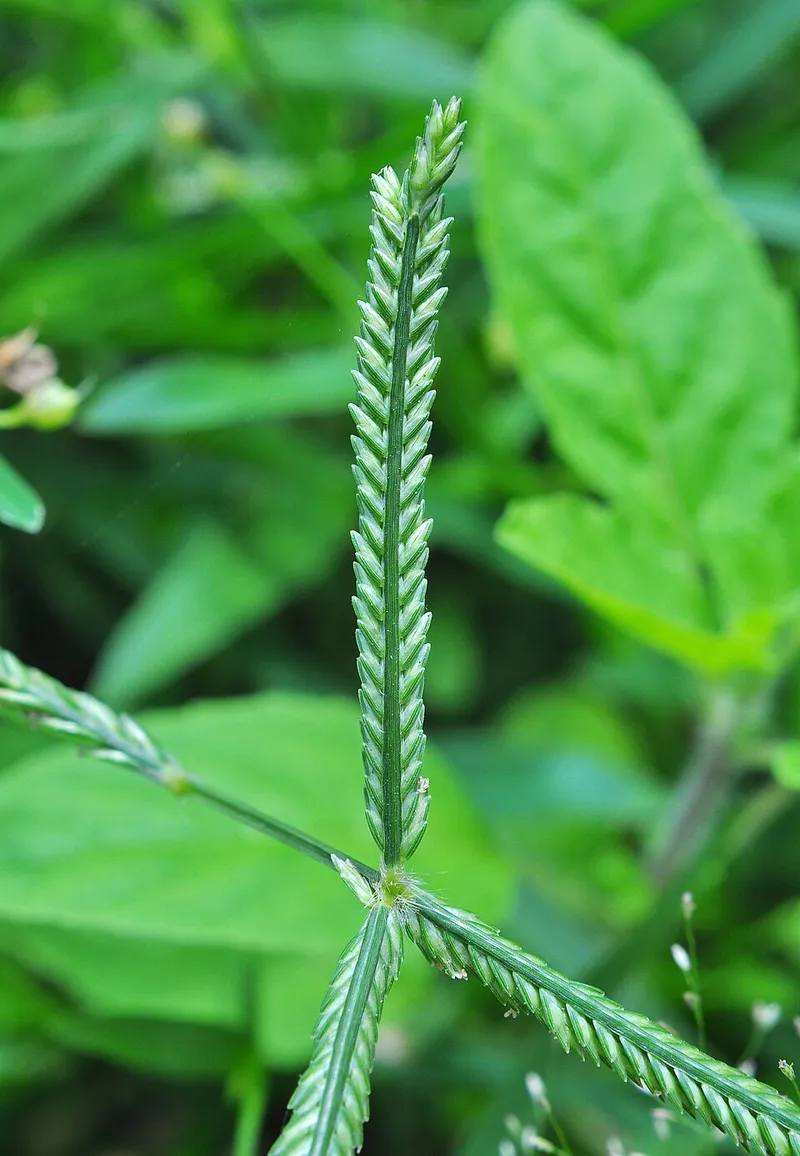
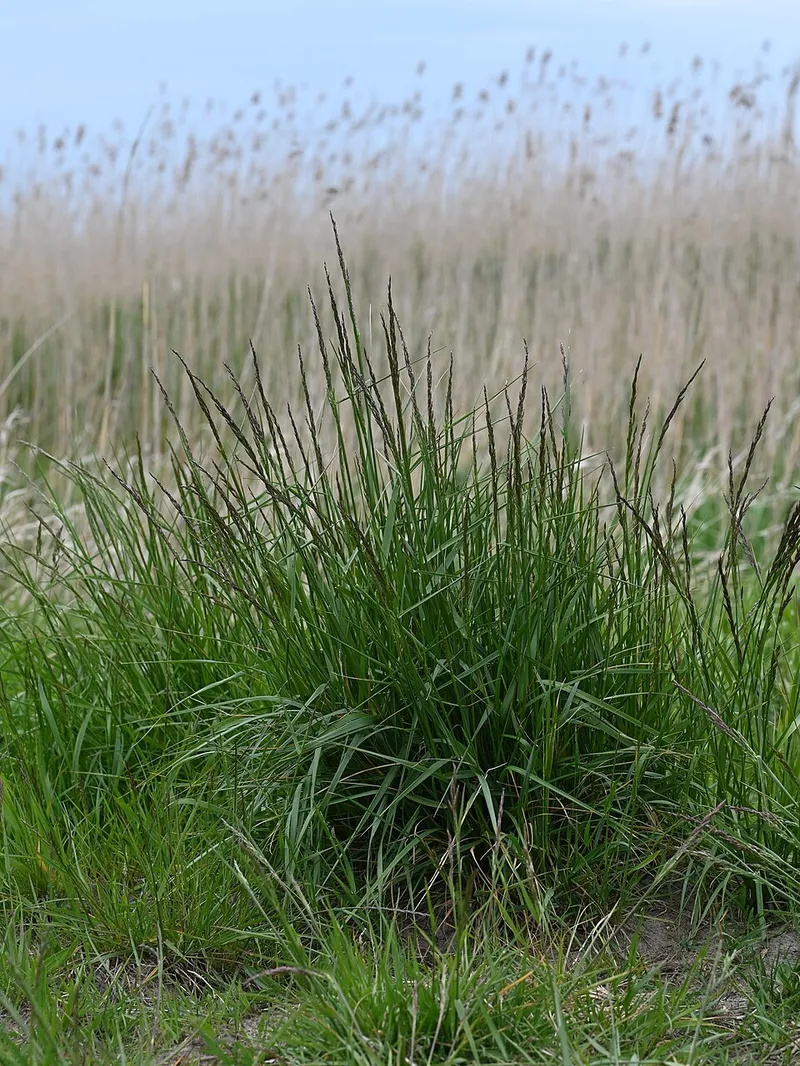
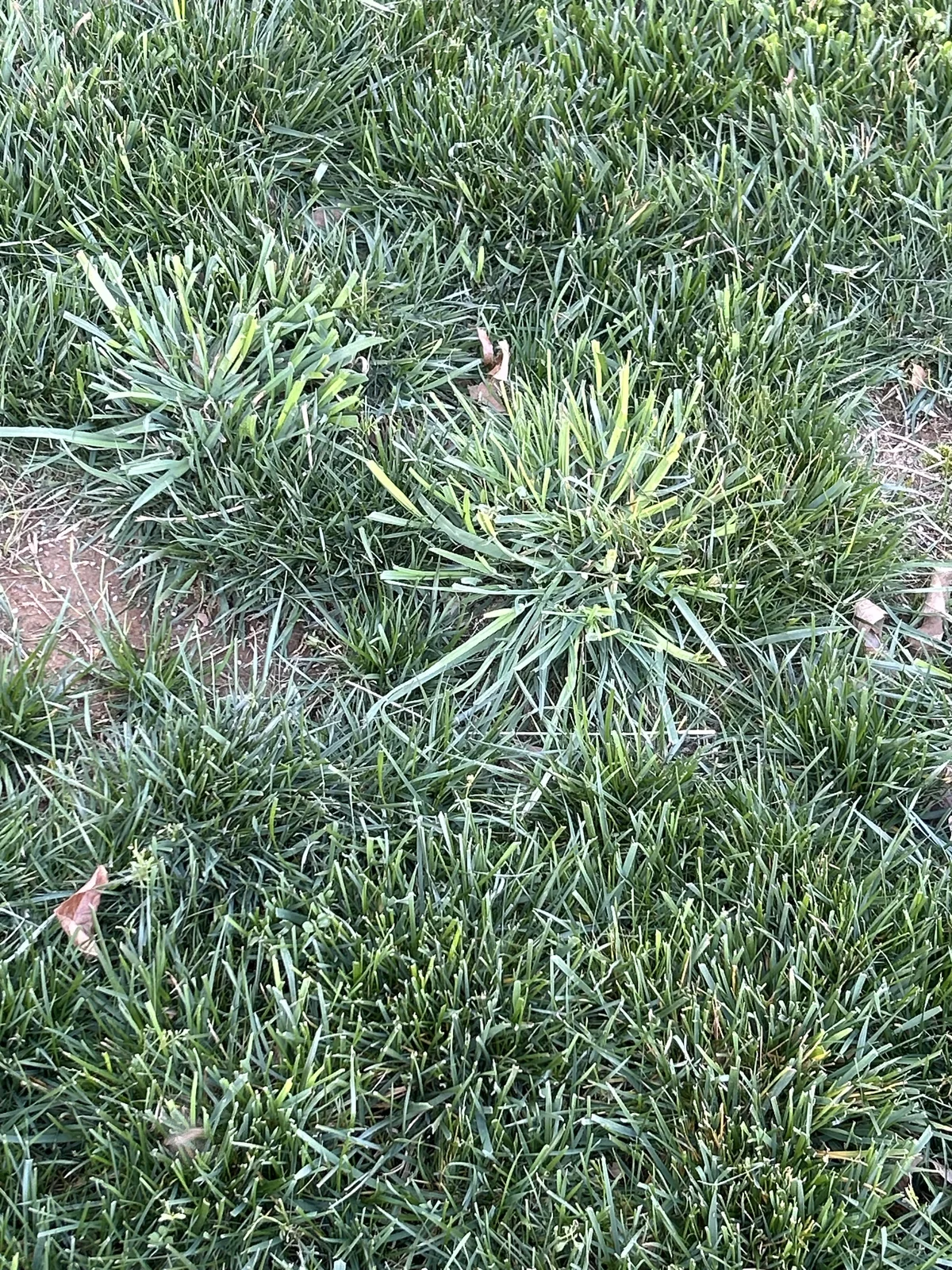
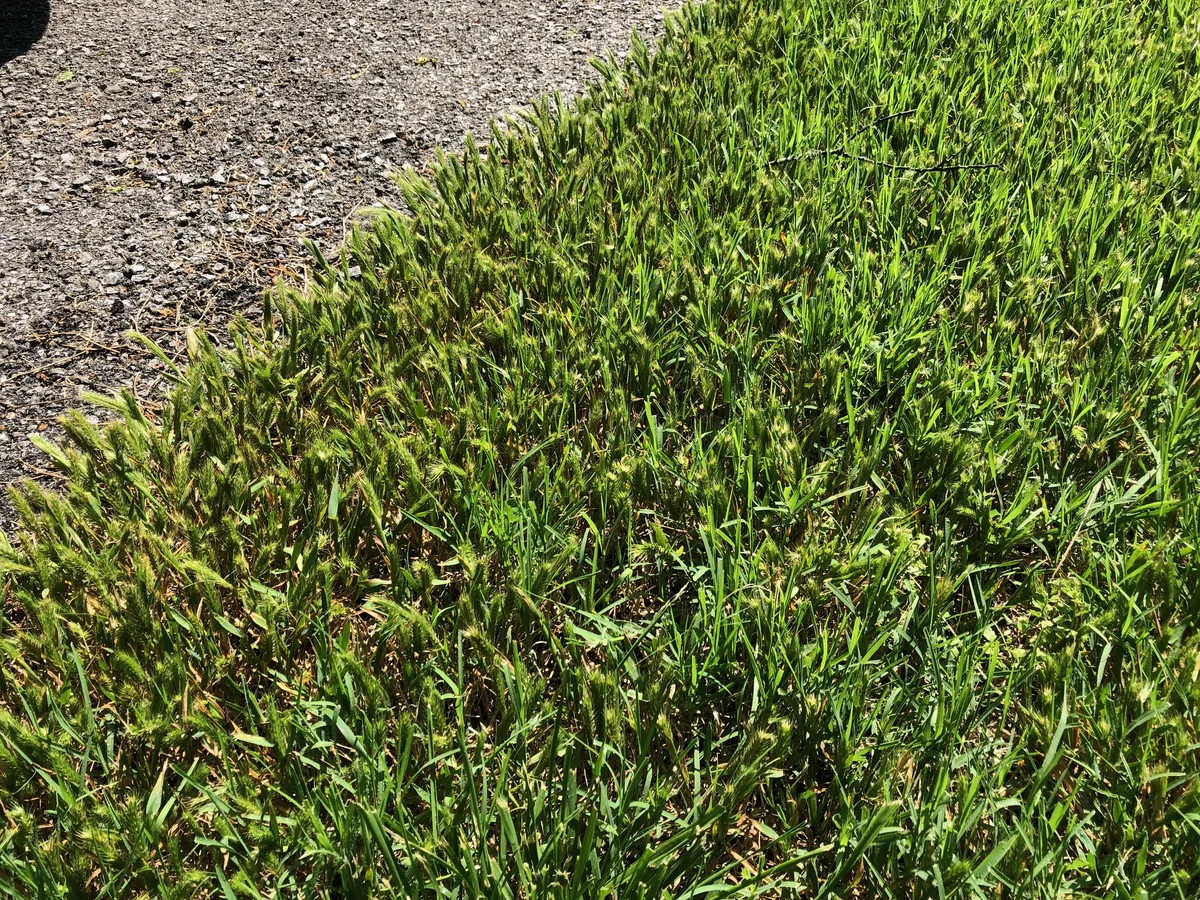
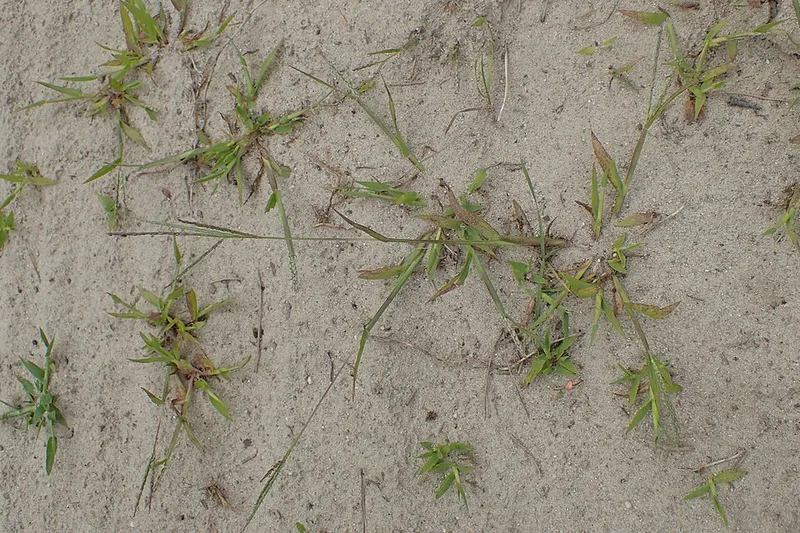
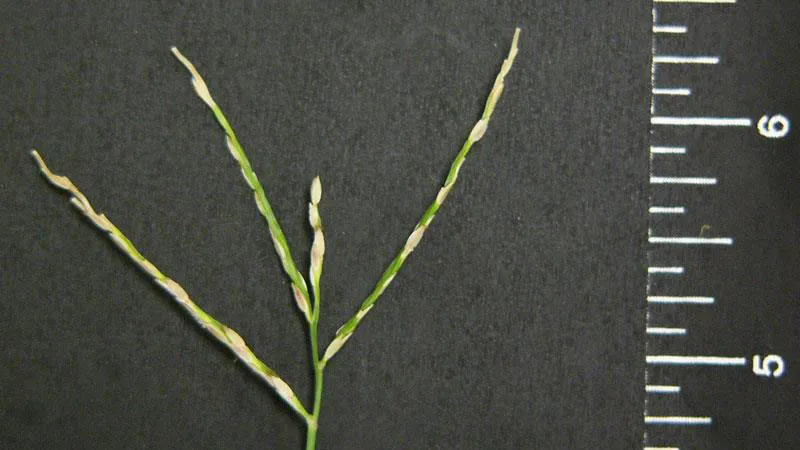
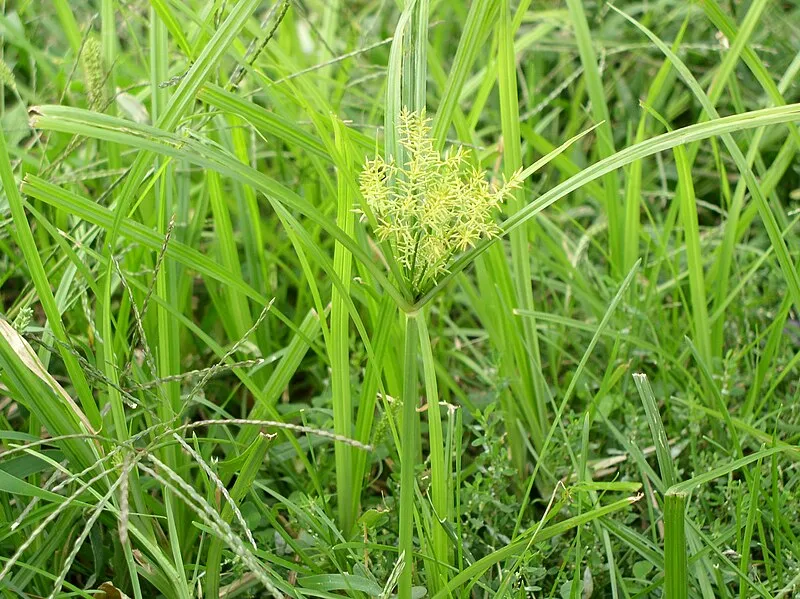
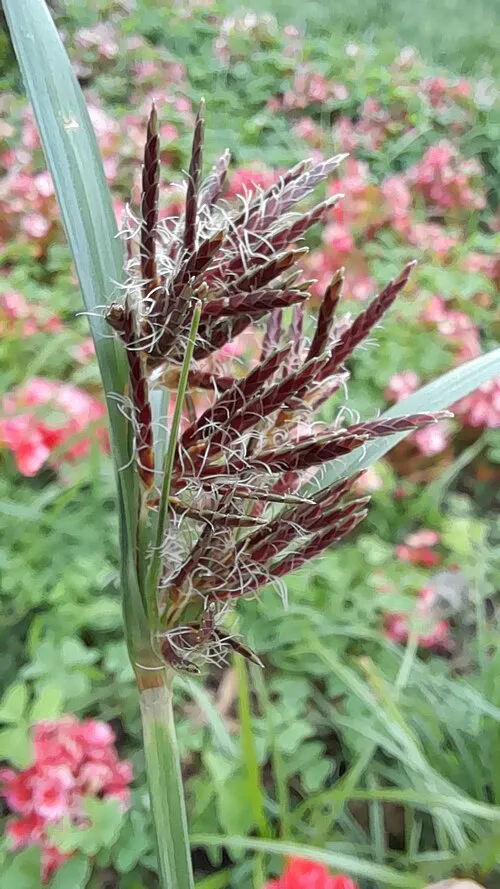
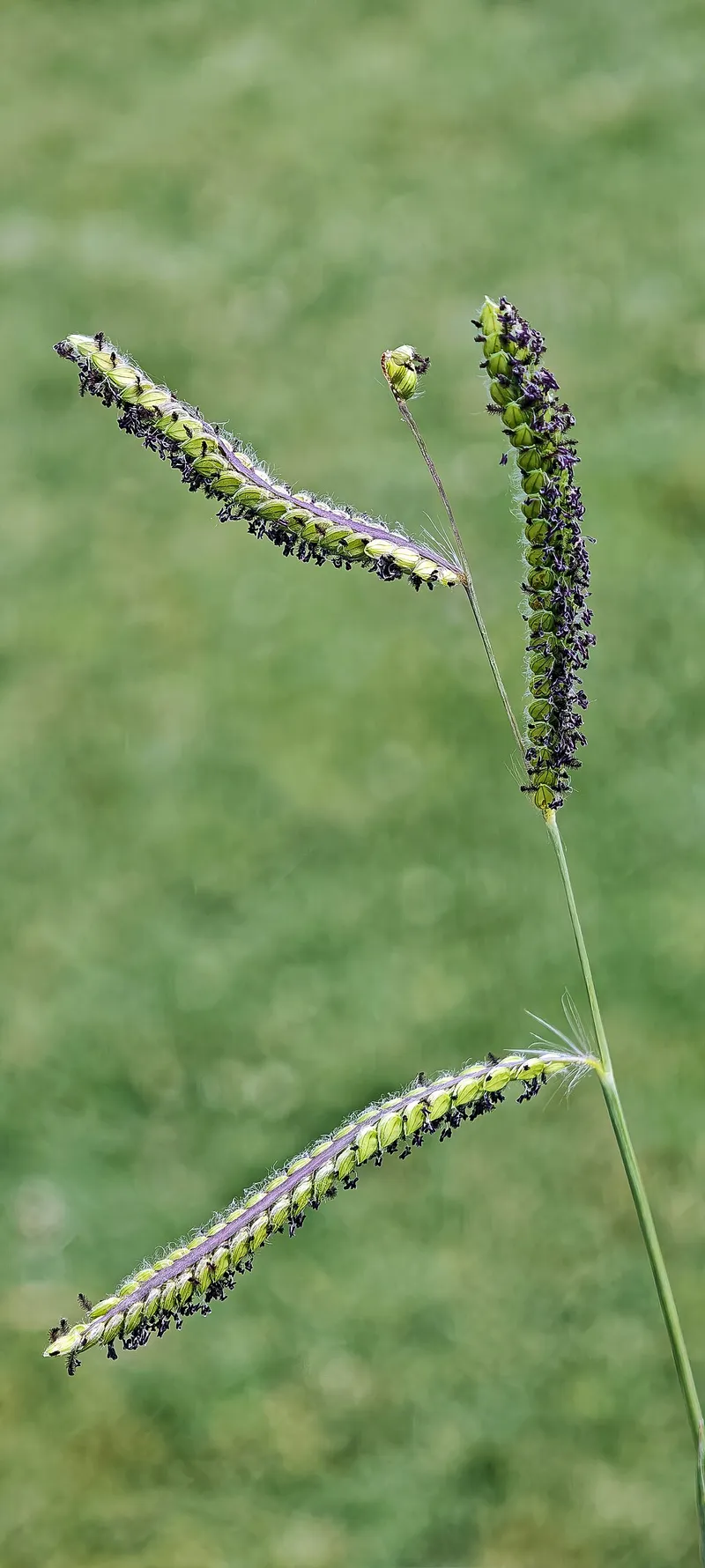
Dallisgrass is a warm-season perennial, not an annual. It becomes visible at mowable height around mid-June, but by that point the plant has been there since the previous year. It spreads by both seed and short rhizomes, forming coarse, unsightly clumps that grow faster and taller than surrounding fescue. The seed heads are distinctive, they emerge on tall stalks with finger-like racemes that stick up above the mowing height within days of cutting.
Controlling dallisgrass is a multi-year commitment. There are nearly no labeled selective herbicides that effectively kill it in a tall fescue lawn, both dallisgrass and fescue are monocots (grasses), so most broadleaf-selective herbicides have zero effect. The one selective option is fluazifop (trade name Fusilade II), which requires multiple monthly applications and can only be used on tall fescue, not during summer heat stress. Even glyphosate (Roundup) provides only temporary suppression because dallisgrass has developed resistance in many areas, the plant bounces back, but the fescue you killed alongside it does not.
The most effective long-term approach combines the perennial treatment timing principle with competitive fescue management. Herbicide applications in late summer and early fall, when the plant is actively translocating carbohydrates into its root system for winter dormancy, deliver the strongest systemic damage. Spring applications weaken it as it expends stored reserves. Combined with maintaining thick, healthy, well-mowed fescue that competes aggressively through root exudates and resource competition, you can eliminate a dallisgrass infestation in roughly three to five consecutive years of disciplined treatment.
Mr. Lawn Care includes dallisgrass control at no extra charge as part of the standard lawn care service plan. Most companies either charge a premium for it or avoid it entirely because the multi-year timeline does not fit their business model.
Quick Facts
- Common Name
- Dallisgrass
- Scientific Name
- Paspalum dilatatum
- Type
- Turf Weed
- Region
- Middle Tennessee