About Purple Nutsedge
Purple nutsedge (Cyperus rotundus) is the harder-to-kill cousin of yellow nutsedge, and in Middle Tennessee it has a very specific geographic footprint. We typically only encounter it in Brentwood, Belle Meade, and some Franklin properties, never south of Franklin. It almost certainly arrived in the area on contaminated sod or nursery stock decades ago, rather than being a naturally established species here.
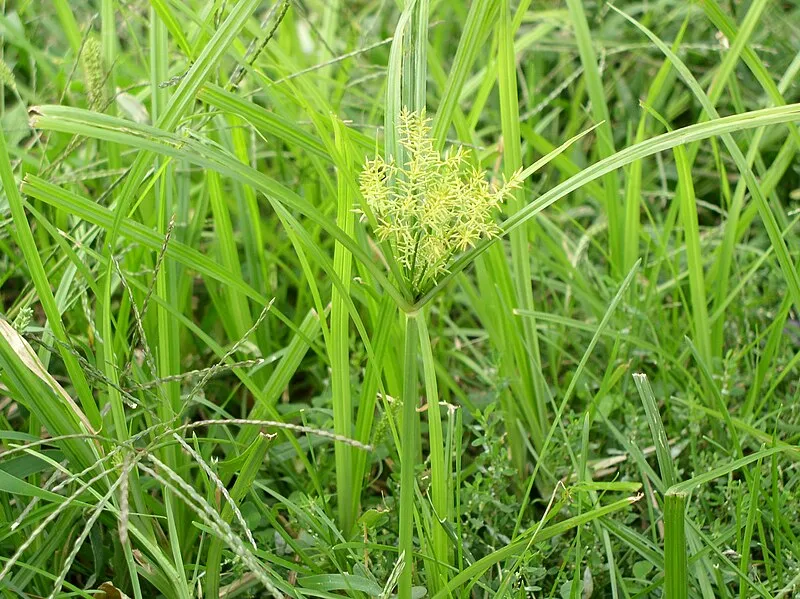
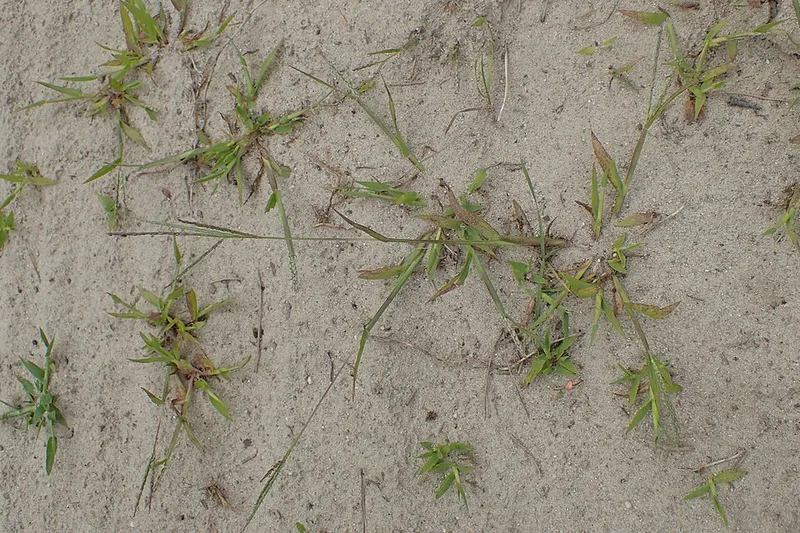
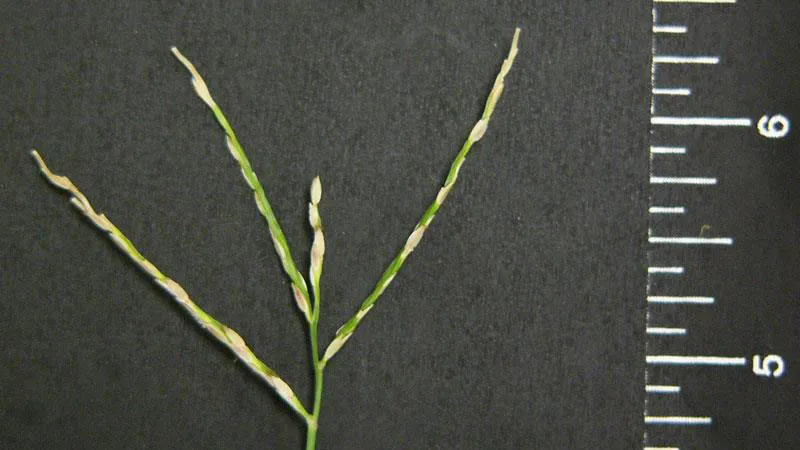
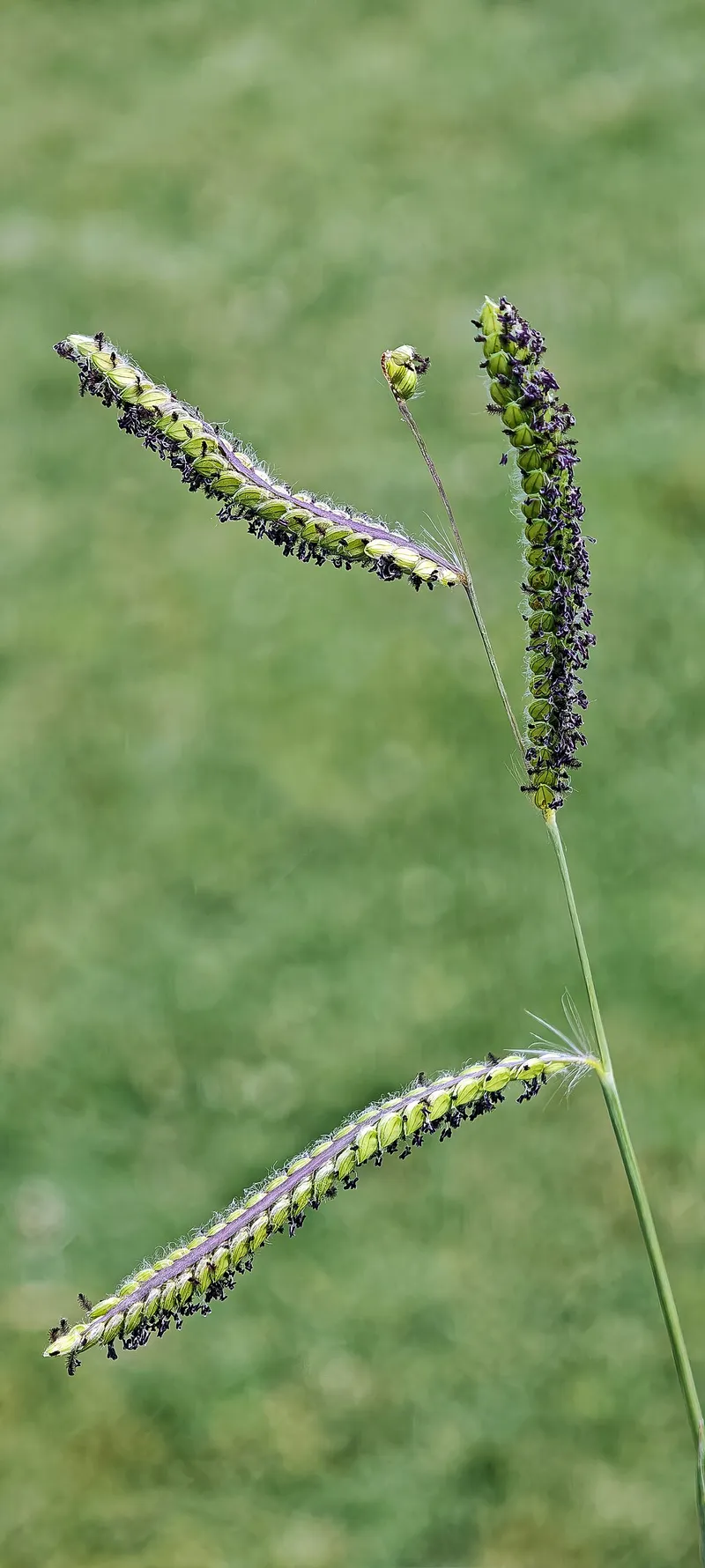
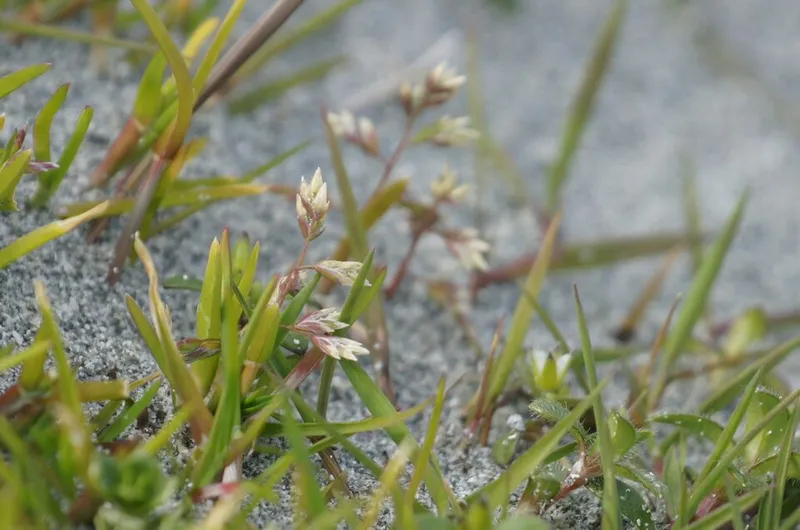
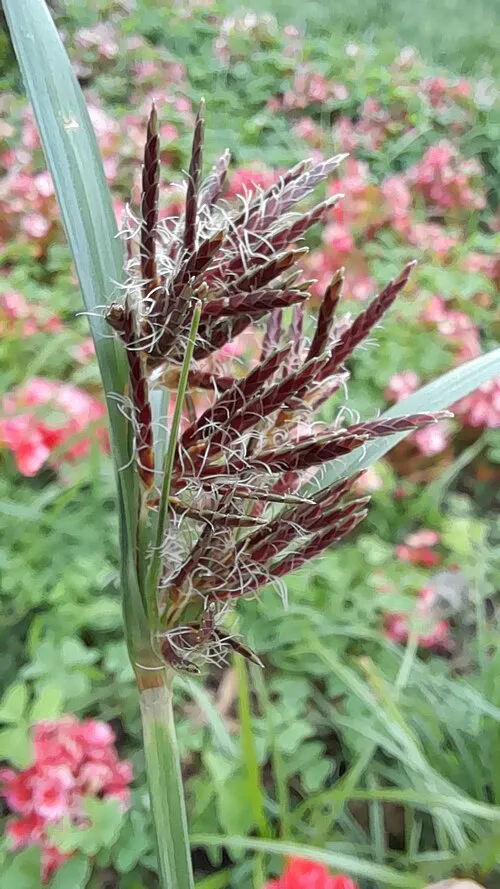
Purple nutsedge is visually similar to yellow nutsedge but produces darker, reddish-purple seed heads and has a slightly different leaf arrangement. Like yellow nutsedge, it is a perennial sedge (not a grass or broadleaf) that spreads through underground tubers and never truly dies, it simply waits for favorable conditions to re-emerge.
What makes purple nutsedge significantly harder to control than yellow nutsedge is its deeper and more prolific tuber production. Yellow nutsedge responds well to early-season treatment in February through April using the two-birds herbicide selection approach. Purple nutsedge requires that same approach plus additional dedicated spot-spray treatments during the growing season. It is a beast to control, on the same difficulty tier as dallisgrass and Virginia buttonweed.
The same drainage and irrigation principles apply: fixing poorly-draining areas and keeping irrigation under one inch per week reduces nutsedge pressure. But with purple nutsedge specifically, the issue is less about site conditions and more about the biology of the plant itself, those deep, persistent tubers can survive drought, freezing, and even years without germinating above ground.
If you live in Brentwood, Belle Meade, or Franklin and have sedge-like weeds that look slightly different from what your neighbors in Spring Hill or Columbia deal with, you may have purple nutsedge rather than yellow. The control approach is similar but more intensive, and an experienced applicator who knows the difference will save you years of frustration.
Quick Facts
- Common Name
- Purple Nutsedge
- Scientific Name
- Cyperus rotundus
- Type
- Turf Weed
- Region
- Middle Tennessee