About Poor Drainage / Waterlogging
When poor drainage kills grass in Middle Tennessee, it is almost never drowning, it is disease. Poorly-drained areas stay wet longer, and extended leaf wetness is the primary driver of brown patch, pythium blight, and dollar spot. The grass dies from fungal infection, not from root suffocation. This distinction matters because the fix for drainage-related grass death is drainage improvement AND fungicide protection, not just adding drain tile.
True waterlogging, where the soil has the consistency of pudding and you sink when you walk through it, means grass was never going to grow there. Those areas need structural correction before anything else. The most common cause of pudding-consistency soil is a broken underground irrigation line leaking slowly. If you have a mushy spot that does not correlate with topography or drainage patterns, check your irrigation system.
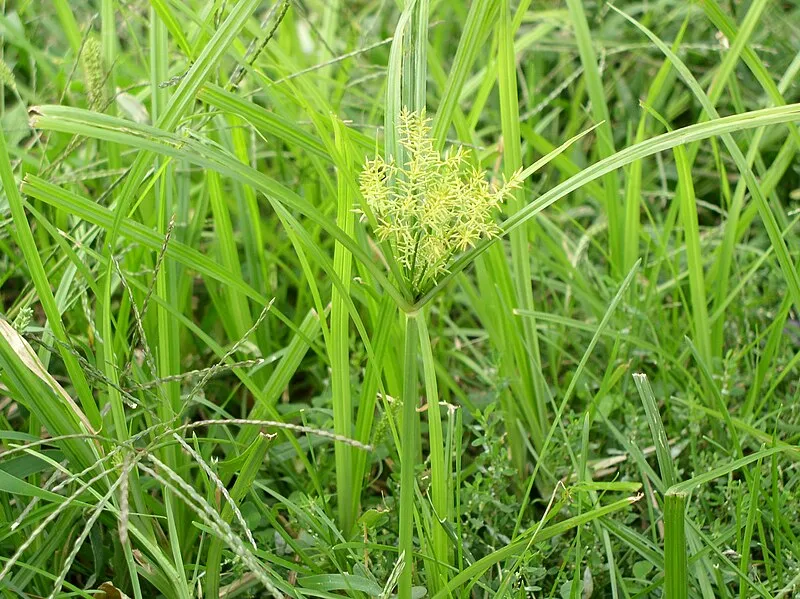
The more common and fixable problem is surface drainage from roof gutters. Your entire roof catches rain, funnels it to gutters, and dumps it out a downspout. If that downspout empties into a depression or an area with no grade, you get a chronically wet spot that breeds nutsedge, kills fescue through disease, and creates standing water for mosquito breeding. The fix is often as simple as a three-foot trench from the downspout to a pop-up emitter, materials from Home Depot, very inexpensive. Always use a pop-up emitter rather than just an open pipe end, because the volume and velocity of roof water causes erosion at the outlet.
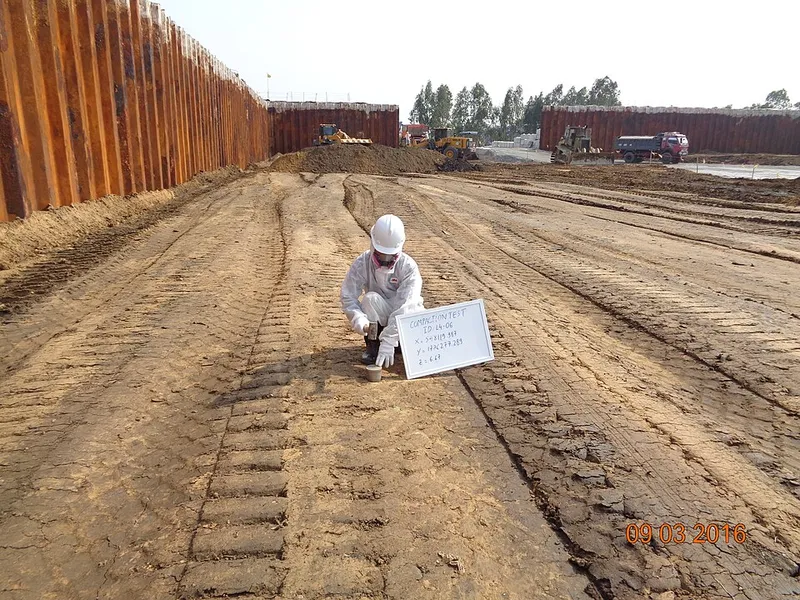
When mowers or vehicles drive through soft, waterlogged soil, the weight creates ruts. Grass crowns in the compressed area get buried under the pushed-up ridges of displaced soil. Buried crowns cannot photosynthesize and usually die. You can try pulling the crowns back up, but once they are compressed and buried, the grass is usually gone in those tracks.
If you fix the underlying drainage issue, the grass will come back on its own during the next overseeding window. If you reseed without fixing drainage, you are just feeding the same fungal cycle that killed the previous stand.
Quick Facts
- Common Name
- Poor Drainage / Waterlogging
- Scientific Name
- N/A
- Type
- Abiotic Disorder (Non-Living Cause)
- Region
- Middle Tennessee