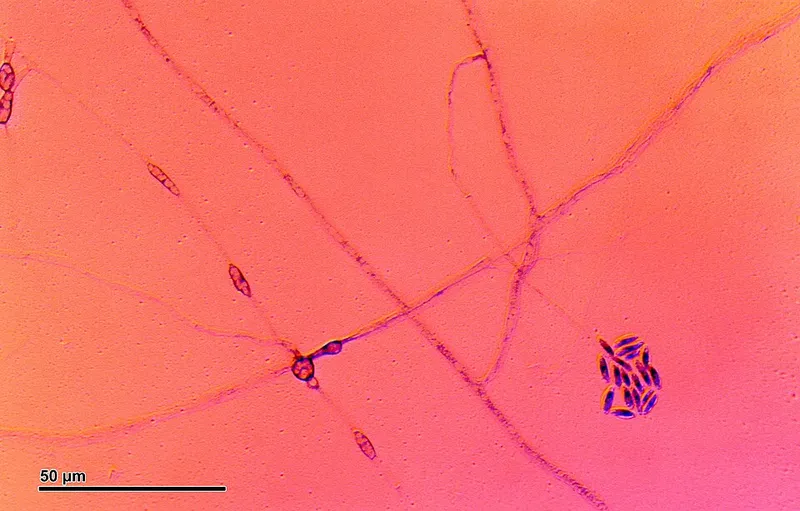
About Pythium Blight
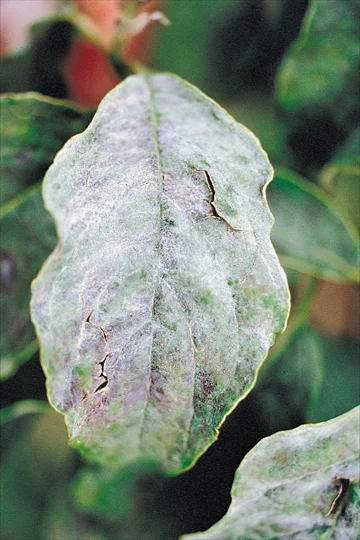
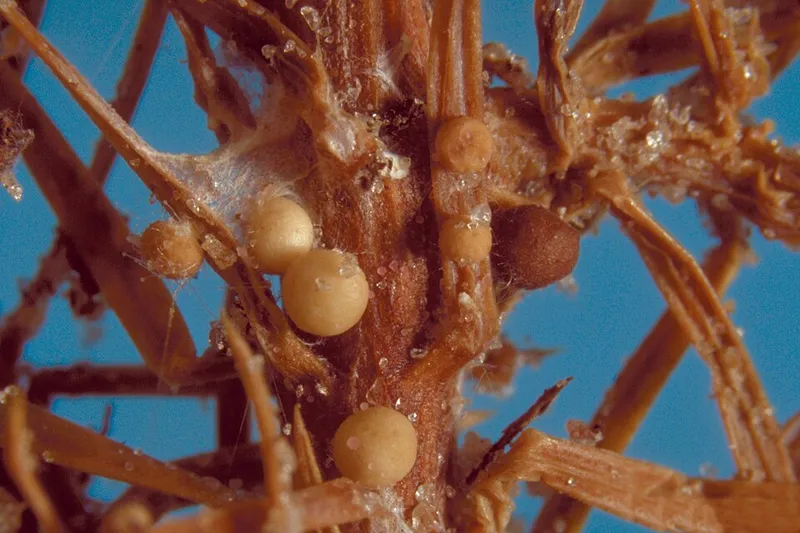
Pythium blight (Pythium aphanidermatum) is by far the worst disease that can hit a fescue lawn in Middle Tennessee. If you get it, your lawn is effectively dead in that area. It is also called cottony blight because of the white cottony mycelium visible on leaf blades in the early morning when dew is still present, though cottony morning mycelium is not unique to pythium and other diseases can produce it.
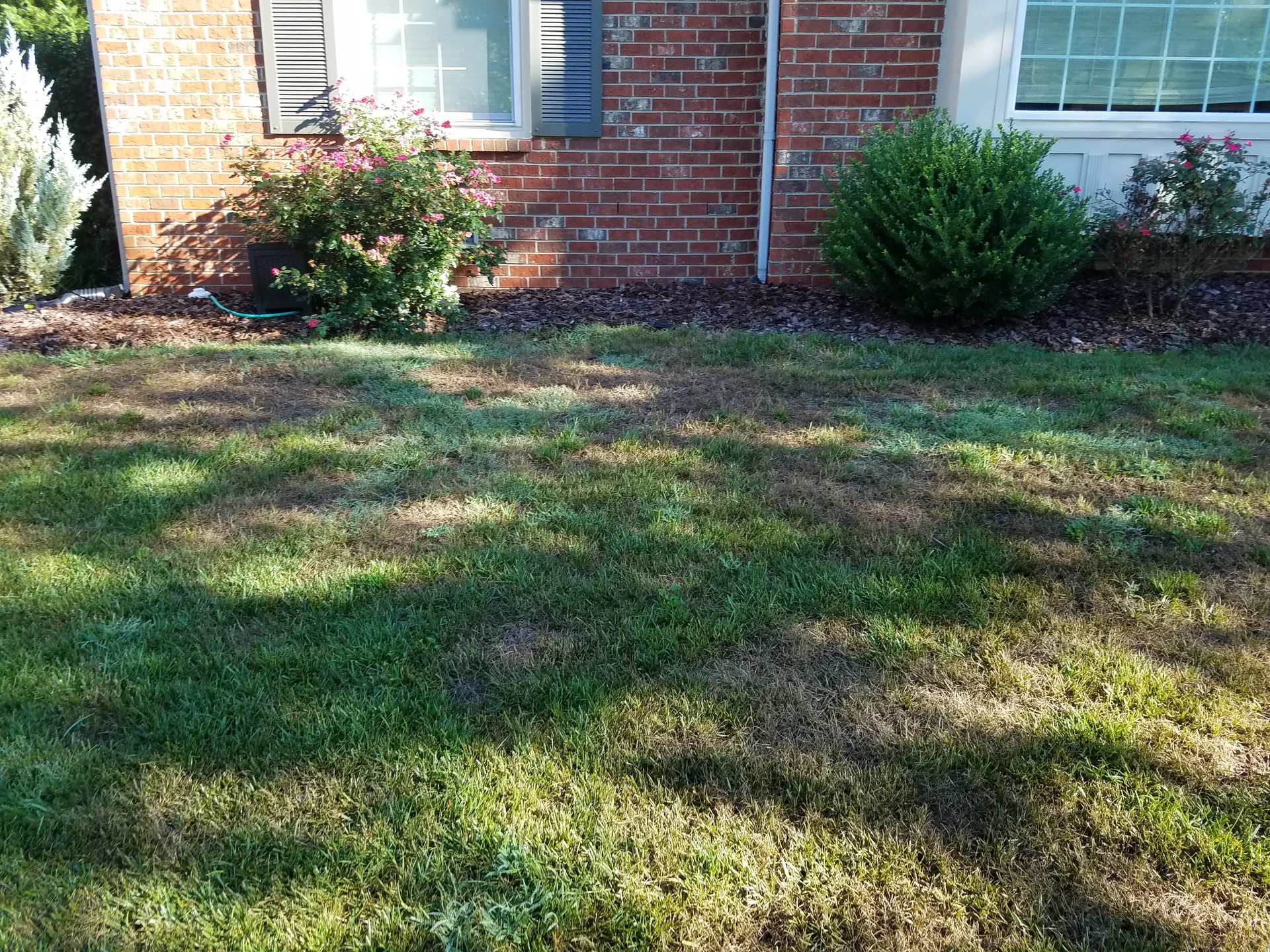
What IS unique to pythium blight is the texture of the affected grass. As the disease cycle progresses, the grass takes on an oily, greasy appearance, it almost looks like the grass is melting. It even feels greasy to the touch. This greasy, matted-down texture combined with the disease following the path of water downhill is the distinguishing field diagnostic. You will see pythium start in one spot and work its way downhill as water carries the pathogen, infecting everything in the drainage path. It is incredibly aggressive and spreads faster than any other turf disease.
Pythium blight is controlled preventively through the summer fungicide program, and on a proper treatment plan it is extremely rare, less than one percent of customers will experience a breakthrough. However, if you water too much or get unlucky with an extended two-week stretch of heavy rain, the preventive barrier can break down. Excessive irrigation and poor drainage are the two biggest risk factors.
If pythium does break through, the treatment costs are sobering. Material cost alone to treat one acre runs just over fifteen hundred dollars per application. The treatment protocol requires application every seven days for two passes, then backing off to a maximum of twenty-one-day intervals. Within a single month of containing an active outbreak, you are looking at roughly forty-five hundred dollars per acre in materials alone, before labor and margin.
The honest advice for prevention beyond fungicides is straightforward: fix your drainage issues, do not over-irrigate, and your grass will look better while you save money on water. Every dollar spent on drainage fixes is money not spent on emergency pythium treatment. This is also why the irrigation-as-temperature-control approach, short supplemental runs only on hardscape-edge zones, not whole-yard watering, is so important. Over-watering the entire lawn dramatically increases disease risk for minimal benefit to the grass.
Quick Facts
- Common Name
- Pythium Blight
- Scientific Name
- Pythium aphanidermatum
- Type
- Lawn & Landscape Disease
- Region
- Middle Tennessee