About Heat Stress
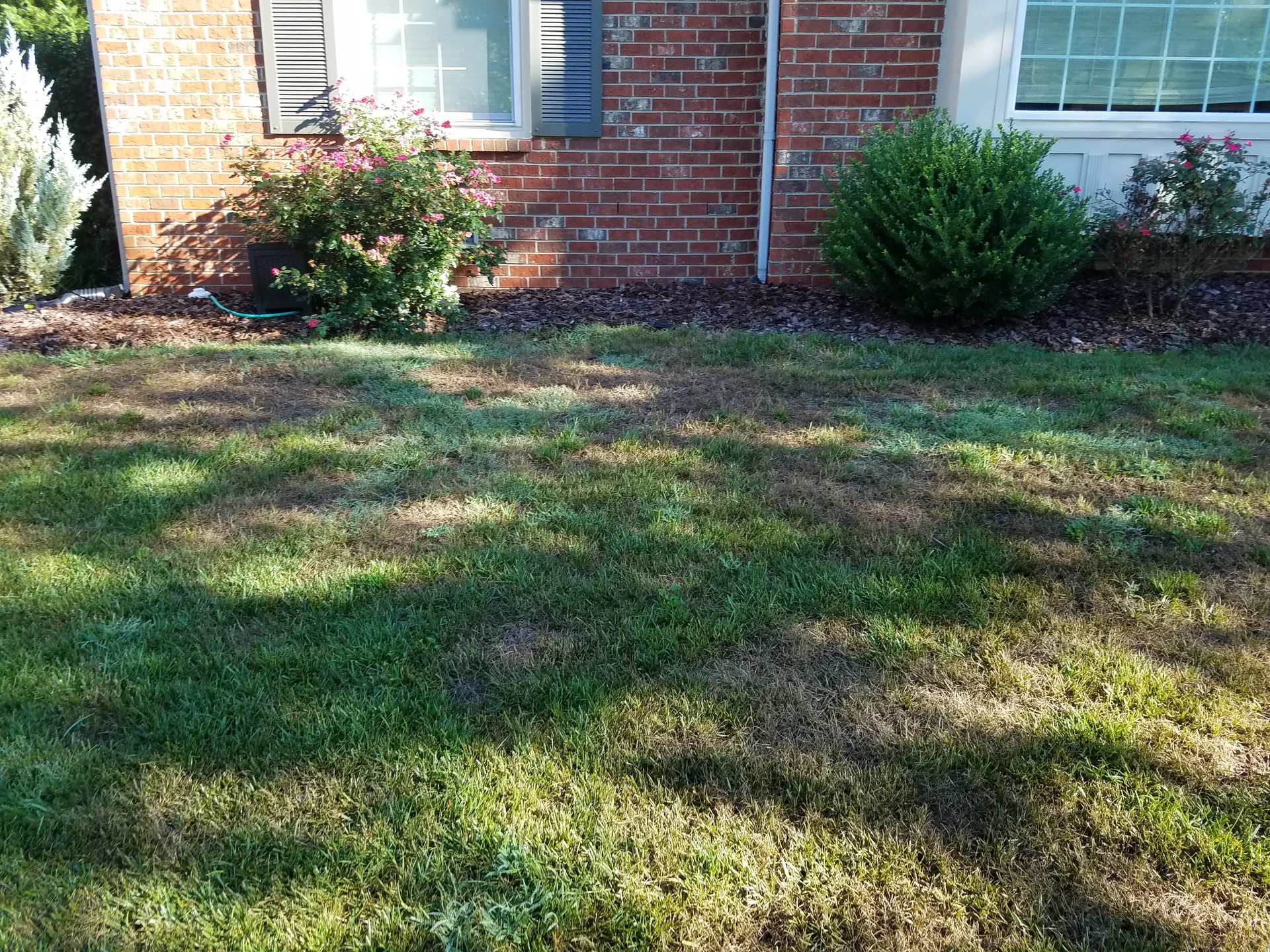
Heat stress on tall fescue in Middle Tennessee is the most common reason lawns look bad in July and August, but it is almost never the only factor at play. By midsummer at 95 degrees, a lawn may be dealing with gravel in the soil, no irrigation, getting cut too short after growing too long, foot traffic from kids and pets, and fungal disease. The straw that always breaks the camel back is fungal disease, that is what your fescue will be dying of ninety-nine percent of the time in summer.
A plant fighting disease has fewer resources for everything else. Remove disease from the equation with a preventive fungicide program, and your fescue becomes dramatically more heat-tolerant. It can survive mowing mistakes, handle foot traffic from barbecues and soccer practice, skip a week of irrigation, and tolerate the gravel-heated soil along your driveway. It is not spending all those resources fighting fungus.
The biggest heat-stress mistake homeowners make is mowing when the grass is not growing. If it is July, 95 degrees all week with no rain in the forecast, and the grass looks a little tall, leave it alone. It is not going to grow anymore. Cutting it in that condition induces mechanical stress and forces the plant to convert its deepest roots into carbohydrates for shoot regrowth. Those deep roots are the very ones providing cooling and deep water access. You are literally paying, either your own time and gas, or paying a mowing service, to make your lawn worse.
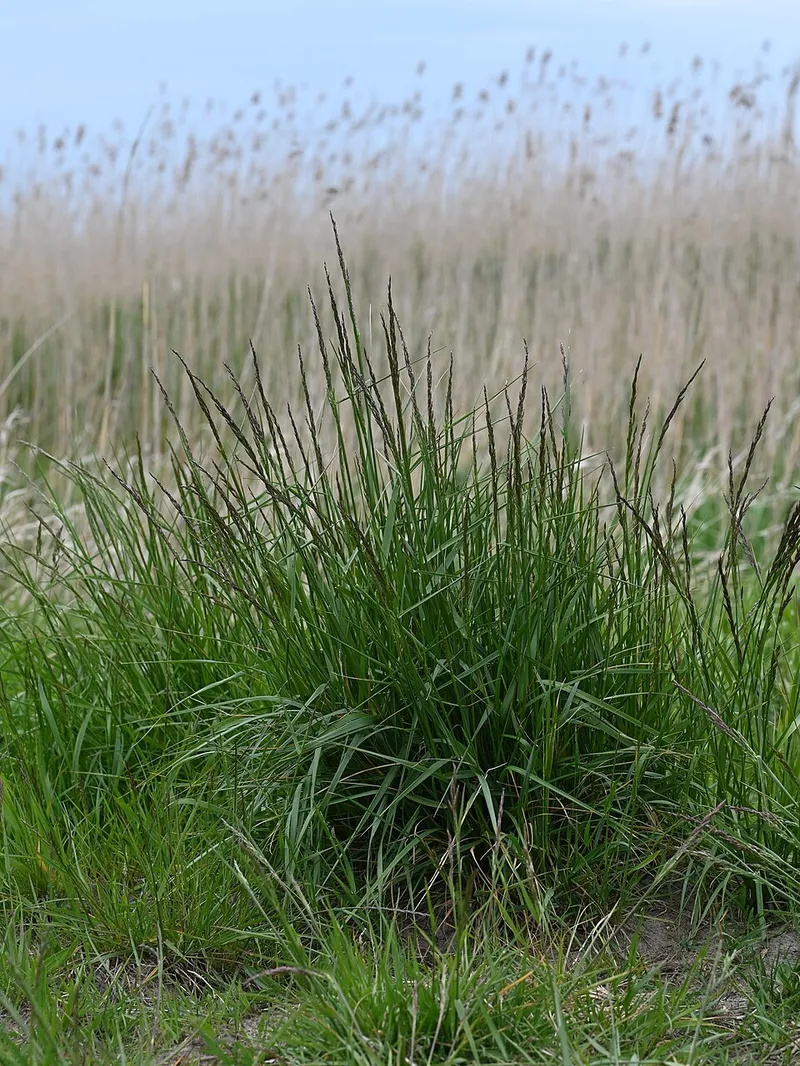
Fescue is deep-rooted and genuinely drought-tolerant. Mature fescue roots reach twenty-four inches into the soil. The real value of irrigation during heat stress is not hydrating the plant, it is cooling the soil temperature, especially in areas with construction gravel that heats up fast.
Quick Facts
- Common Name
- Heat Stress
- Scientific Name
- N/A
- Type
- Abiotic Disorder (Non-Living Cause)
- Region
- Middle Tennessee