About White Grubs
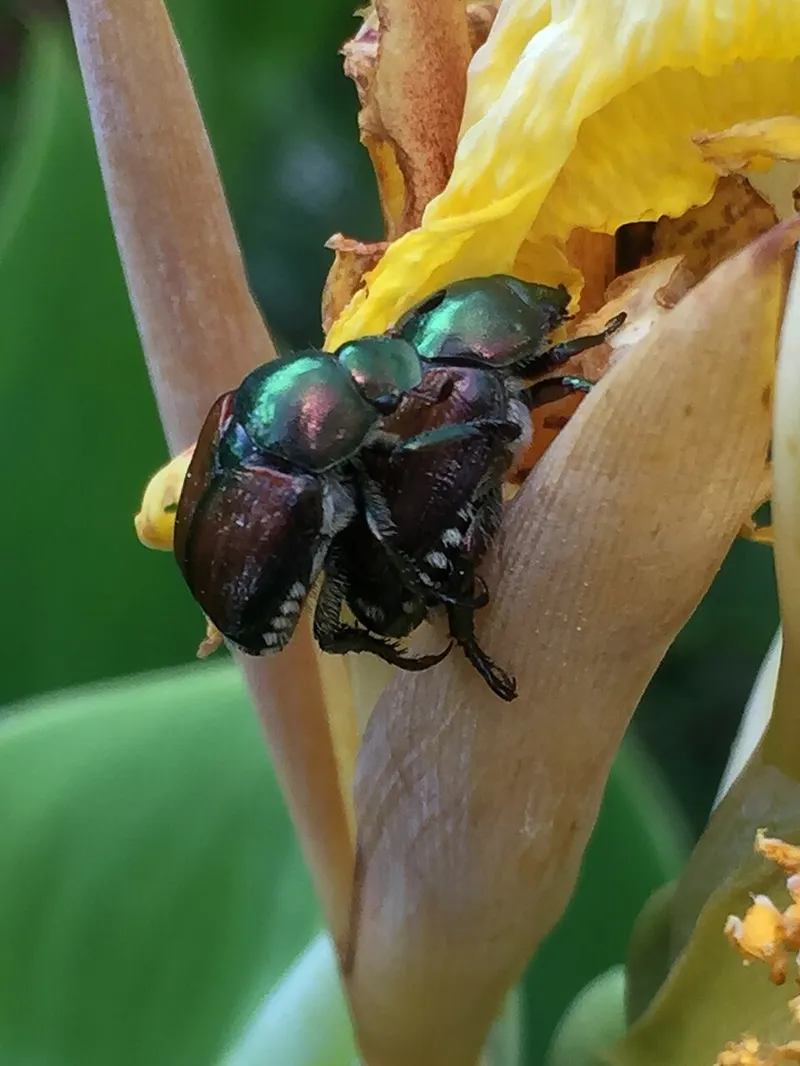
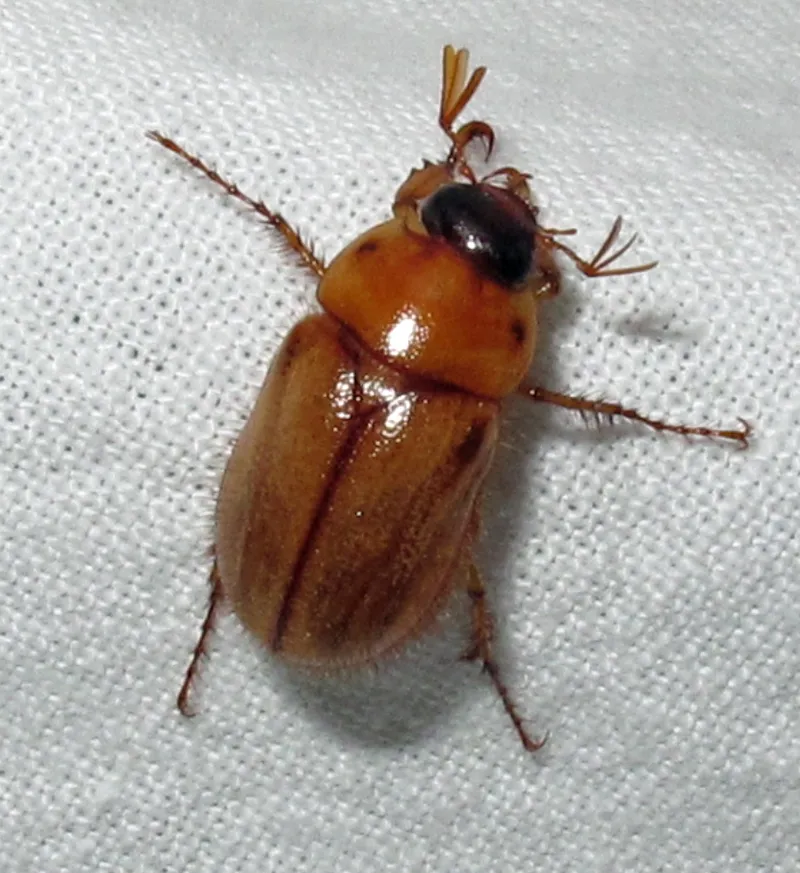
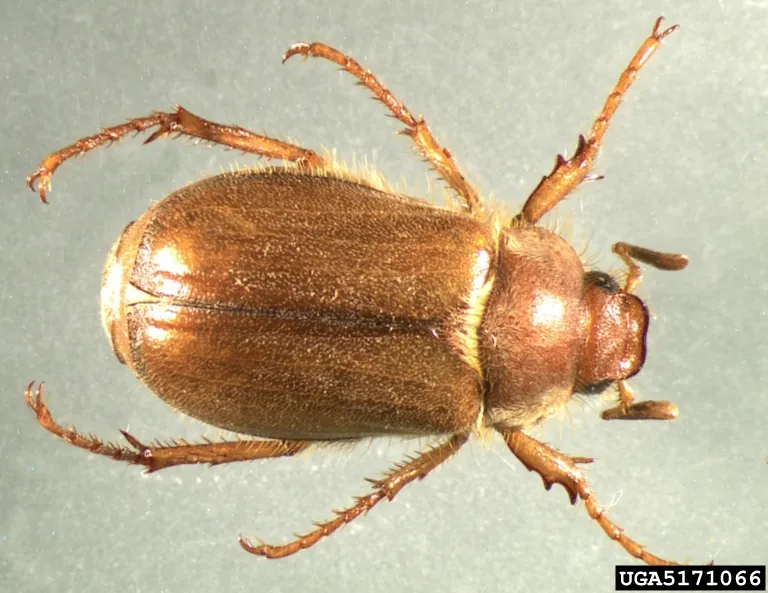
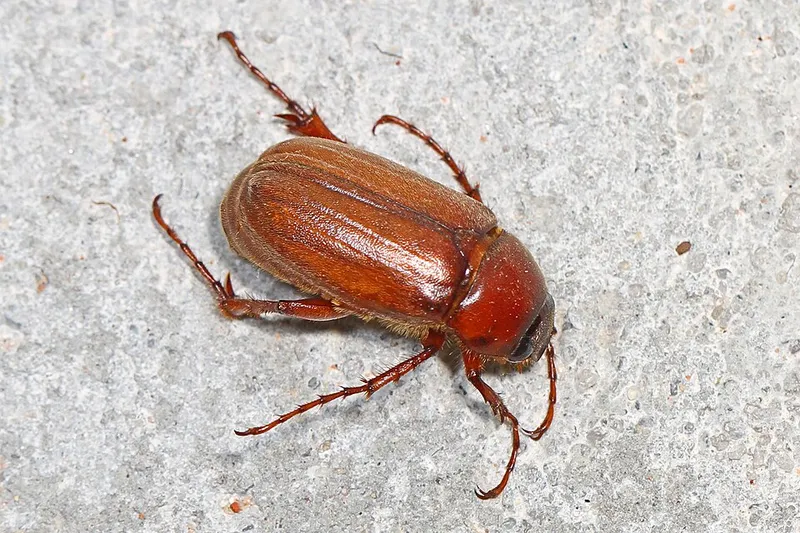
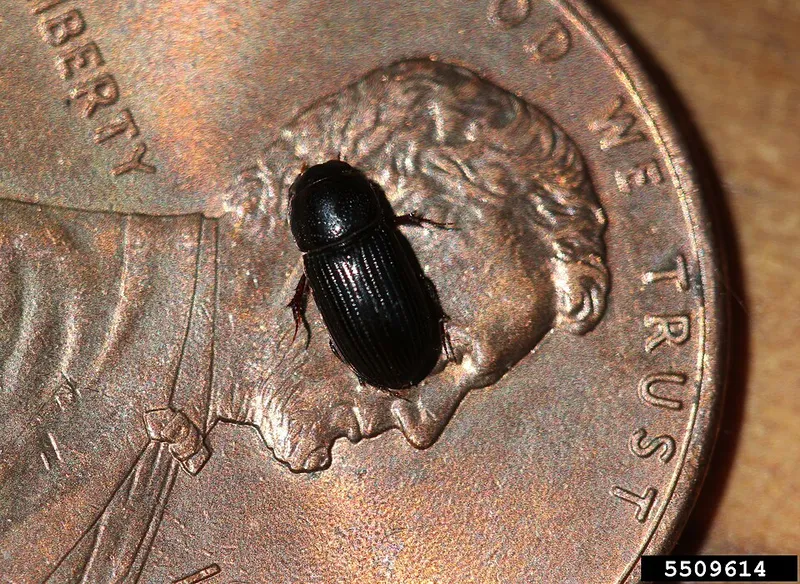
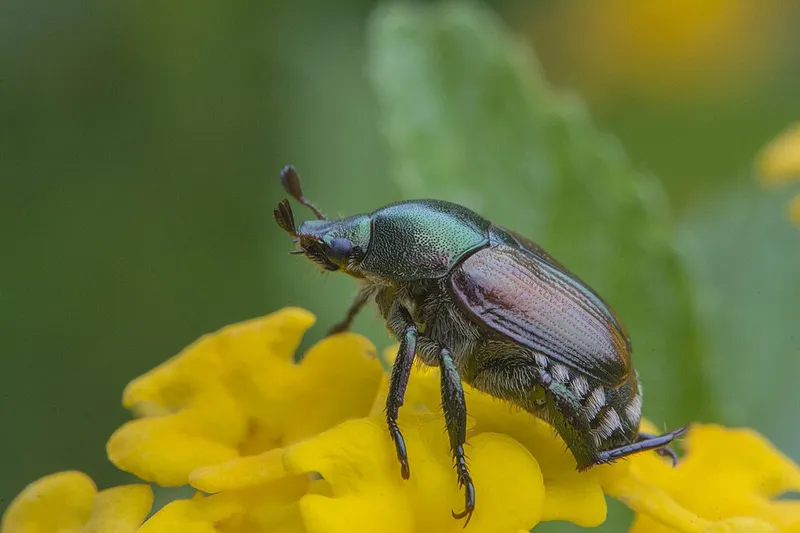
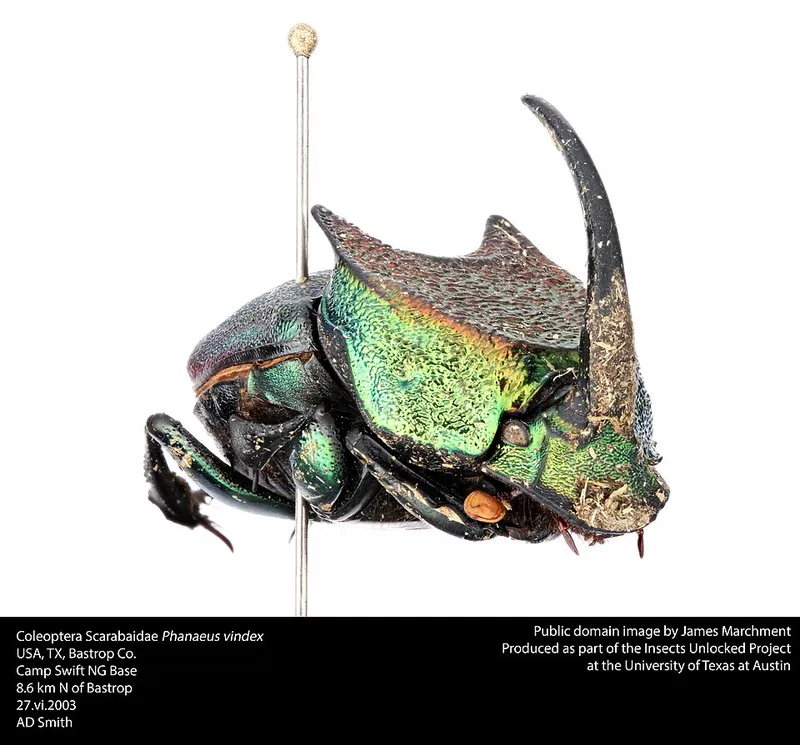
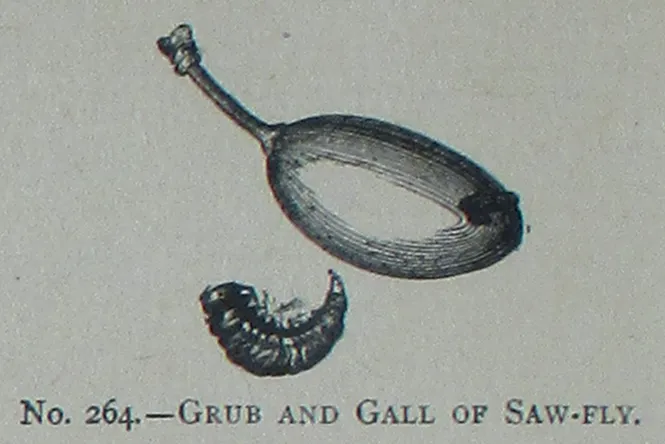
White grubs are the larval stage of various scarab beetles, including Japanese beetles, June bugs, masked chafers, and others, and they feed on grass roots below the soil surface. In Middle Tennessee, grub damage typically appears as brown patches that peel up like loose carpet because the root system has been severed.
The standard advice you will find online, "if you have moles, you have grubs", is partially correct but misses the deeper story. Grub populations explode around stressed trees and shrubs, not randomly across healthy lawns. When a large plant is under stress (planted too deep, over-pruned, lost a branch in a storm), its biological response is to convert deep roots into carbohydrates and regrow foliage. Those new, soft roots lack the defensive phytokenes that healthy roots produce to make themselves taste bad and resist digestion. Grubs flourish in this environment of soft, undefended roots near stressed plants, which is why you rarely see significant grub populations around healthy sports fields or lawns without declining trees.
The timing of grub control is critical. You need to apply insecticide before you see grub damage, while larvae are still small and feeding near the soil surface. If you wait until damage is visible, the grubs are too far along in their life cycle for bee-safe chemistry to be effective. Late treatment requires aggressive products that we do not apply because of their toxicity profile.
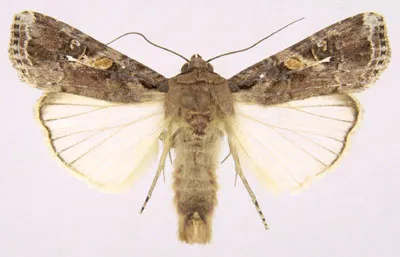
The chemistry we use controls grubs through a novel mode of action that is bee-safe and simultaneously handles armyworms, sod webworms, and other plant-feeding insects. It is applied preventively as part of the standard lawn care plan, not sold as an add-on. The benefit is straightforward: remove the pest feeding on the root system, and the plant can redirect those resources toward surviving drought, heat, foot traffic, and other summer stressors instead of fighting underground invaders.
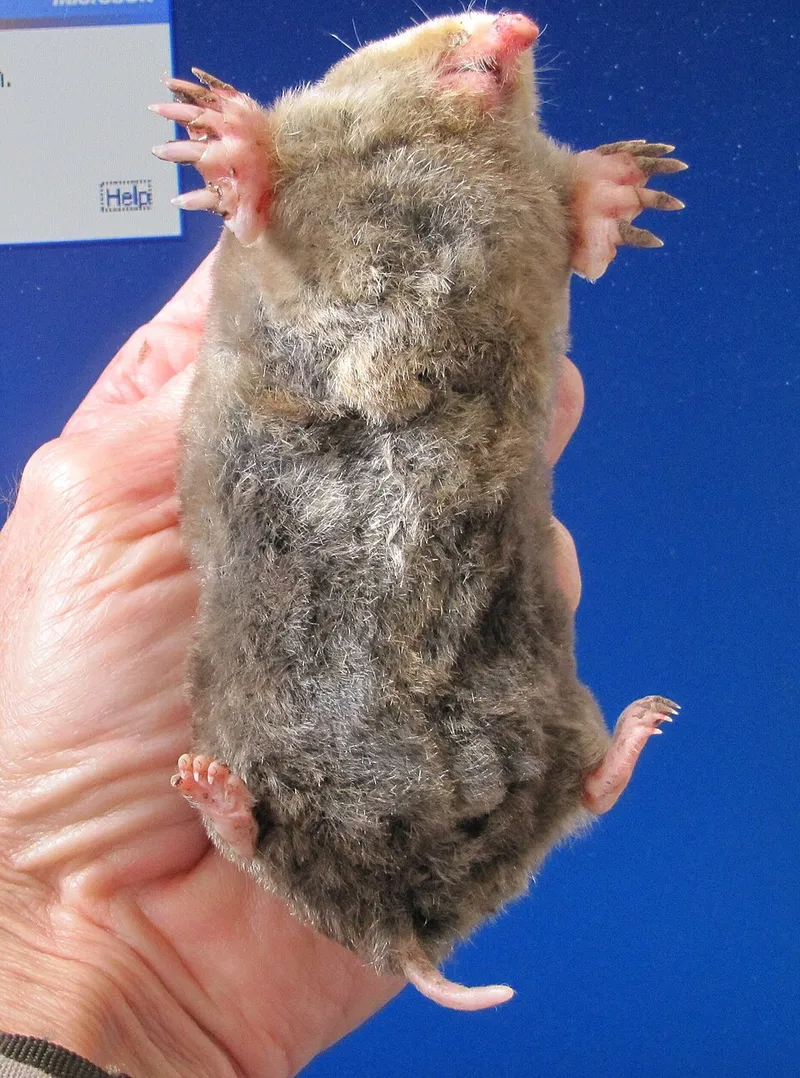
Grub control also plays a role in mole management. Moles feed on grubs (among other soil organisms), so reducing grub populations helps disincentivize new moles from moving into a territory after existing moles are trapped and removed.
Quick Facts
- Common Name
- White Grubs
- Scientific Name
- Scarabaeidae larvae
- Category
- Turf Pest
- Region
- Middle Tennessee