About Shade Stress
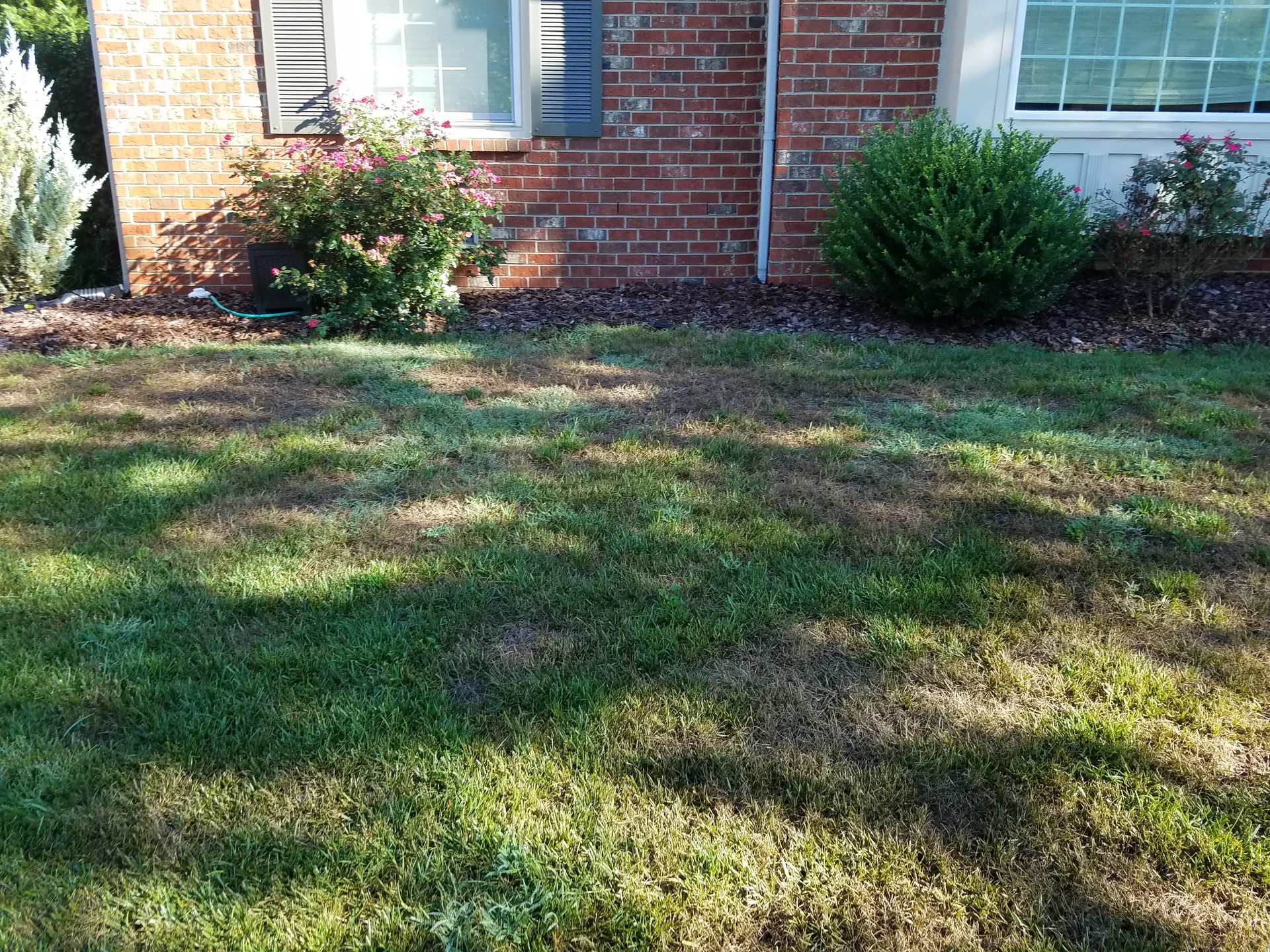
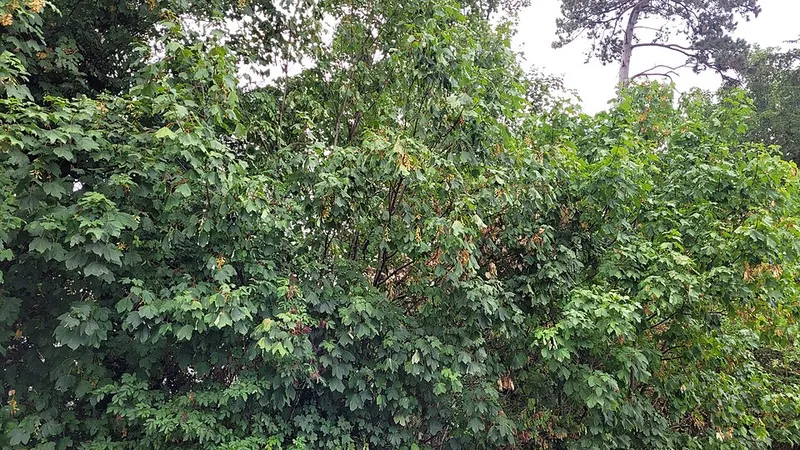
Shade stress is the gradual thinning and decline of fescue turf under tree canopy or on the north side of structures where sunlight is limited. Tall fescue is one of the more shade-tolerant lawn grasses, far better than Bermuda (which cannot grow in shade at all) and better than Zoysia, but it still needs some direct sunlight to maintain a healthy stand.
In Middle Tennessee, shade stress is compounded by our disease pressure. Shaded areas dry more slowly from morning dew, which extends leaf wetness and increases fungal disease risk. Arrington neighborhoods like King Chapel have particularly high disease pressure because the combination of three-story houses, close tree lines, and limited airflow creates microclimates where dew stays on the ground an extra hour or two each day.
The shade-loving weed nimblewill (Muhlenbergia schreberi) is a common invader in shaded fescue areas. It looks like Bermuda grass but grows only in shade, the opposite of Bermuda habitat preference. If you see what looks like Bermuda in a shaded part of your yard, it is almost certainly nimblewill.
Management options for shade-stressed areas: thin the canopy by limbing up trees to increase light penetration, accept that grass density will be lower in shaded zones and adjust expectations accordingly, or convert heavily shaded areas to mulch beds or shade-tolerant groundcovers. Fine fescues (creeping red, chewings, hard fescue) are marketed as shade-tolerant alternatives but are functionally unusable in Middle Tennessee due to our humidity and disease pressure, they require constant fungicides, zero foot traffic, and no mowing to survive here.
Quick Facts
- Common Name
- Shade Stress
- Scientific Name
- N/A
- Type
- Abiotic Disorder (Non-Living Cause)
- Region
- Middle Tennessee