About Fairy Ring
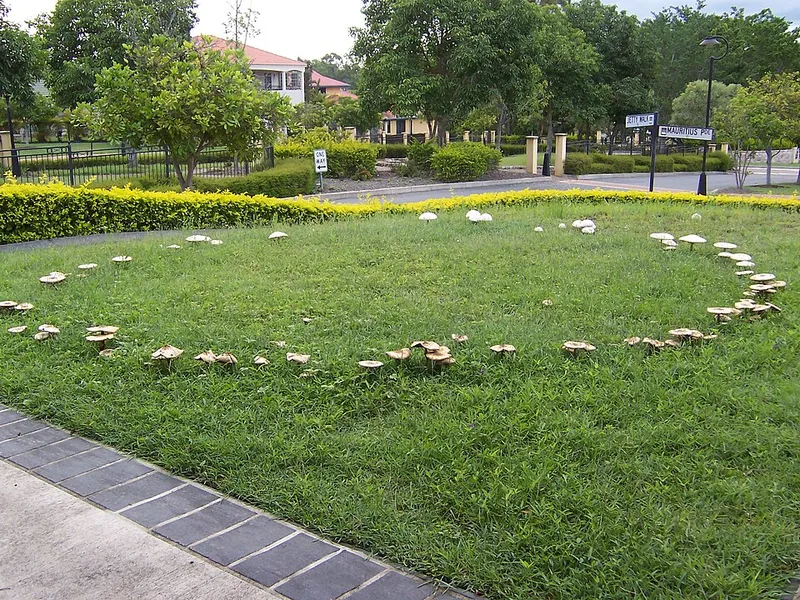
Fairy ring is a soil-borne fungal condition that produces the distinctive dark green circles or arcs, sometimes with mushrooms, that appear in lawns. In Middle Tennessee, fairy ring is almost always caused by one thing: an incompletely removed tree stump decomposing under the soil surface.
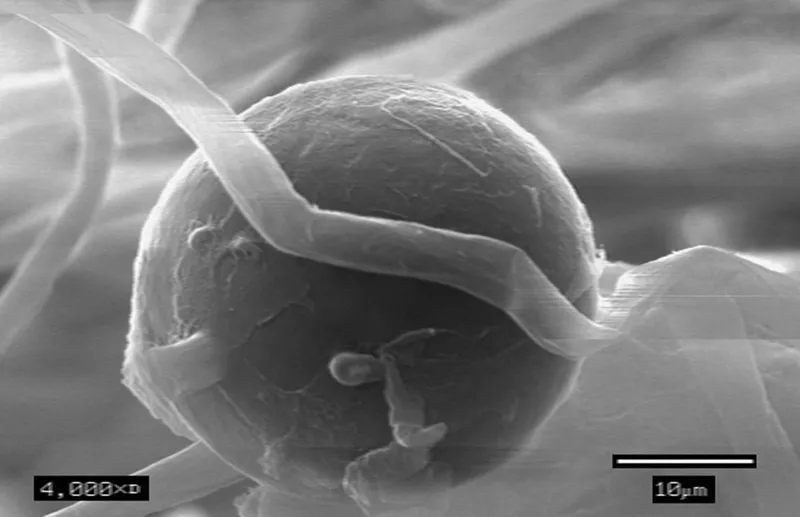
The biology is straightforward. When a tree is removed but the stump and feeder roots are left buried underground, the wood slowly decomposes over years. The fungi doing that decomposition (including Marasmius oreades and related species) produce fruiting bodies, mushrooms, at the soil surface, and they release nitrogen as they break down the wood. That nitrogen flush creates the characteristic perfect green ring or arc that is darker than the surrounding lawn. You typically do not see significant leaf blade discoloration or grass death from fairy ring, it is mostly the color change and mushrooms.
Fairy ring is completely preventable if the tree was removed correctly in the first place. A quality stump removal job should grind at least twelve inches below soil level, trace and grind all major feeder roots, haul the wood chips off-site, and backfill the void with fresh topsoil. Two signs of a quality job: did they haul wood chippings off-site, and did they bring in fresh topsoil to backfill? If neither happened, the job was incomplete, even if the tree itself is gone.
Buried wood acts like shallow bedrock under your lawn. Wood is a poor thermal insulator, it changes temperature very fast. In summer, buried wood heats up and cooks the roots above it, creating a localized dry spot. Below about six to seven inches of grinding depth, you can grow grass nine months of the year but it will die during summer stress. Below eight inches, grass grows fine. Below twelve inches, it is as good as undisturbed soil.
If wood chips were left behind in the void, a shop vac is a surprisingly effective tool for removing them, wait for a rain to compact the loose soil, then vacuum the chips right off the surface. Your neighbors will think you are crazy, but it works.
Fairy ring shows up inconsistently, you might go two years without seeing it, then see it on the third year. It only appears in spring, and it typically does not kill grass. We generally do not treat fairy ring with fungicide because the root cause is physical (buried wood), not something you can spray your way out of.
Quick Facts
- Common Name
- Fairy Ring
- Scientific Name
- Marasmius oreades
- Type
- Lawn & Landscape Disease
- Region
- Middle Tennessee