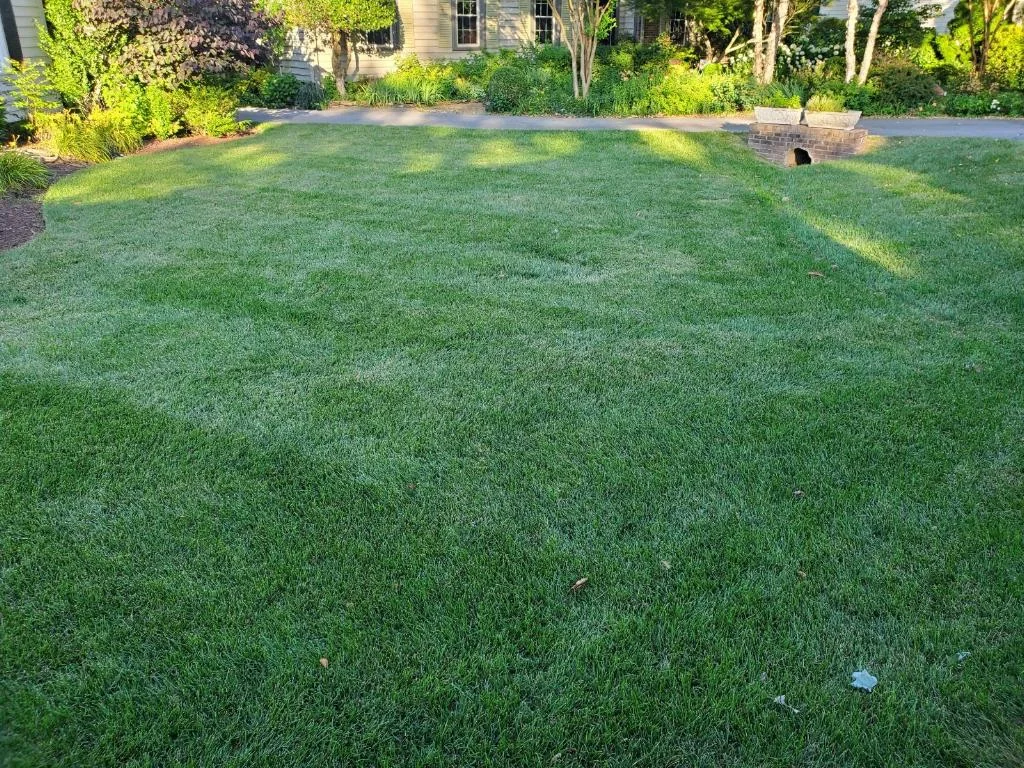
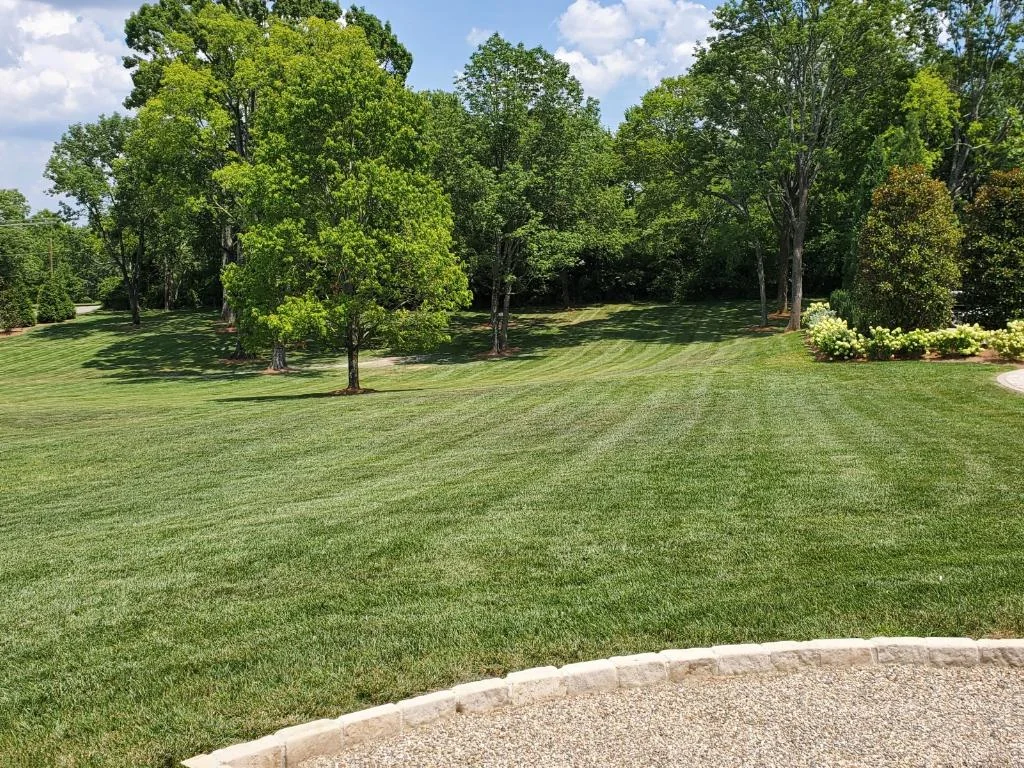
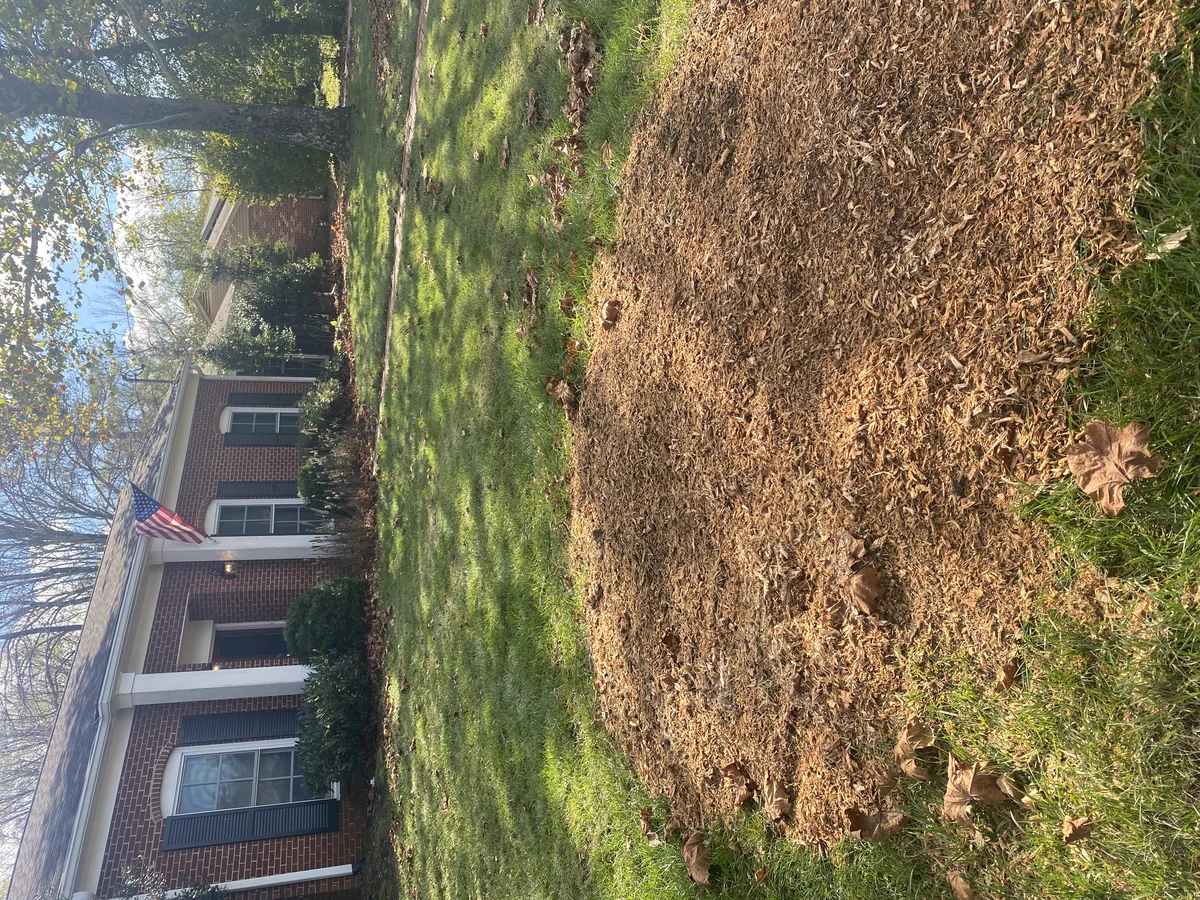
The common mistake I see across Bellevue, from newer builds in River Plantation to established homes near Percy Warner Park, is an over-reliance on soil tests and multi-nutrient fertilizers. You get a test, see a low number for something like potassium, and rush to buy a product to fix it. For turf grass, that's backwards. Your fescue is always hungry for nitrogen, and in our region, that's the only nutrient you should start with. If your lawn doesn't look right after a proper nitrogen program, then we can investigate. But dumping phosphorus and potassium because a lab sheet says so is why every HOA pond around here is choked with algae every fall. It's also a waste of your money.
The Bellevue-Specific Soil Reality
Our soils in Middle Tennessee, including the clay common in your area, are saturated with phosphorus and often have very high pH. Applying more phosphorus isn't just unnecessary; it's environmentally damaging as it runs off into our local waterways. My aggregate soil data shows this pattern clearly. My approach uses the soil sample I take in the spring for one primary reason: to choose the right nitrogen source. Knowing the pH is high and seeing the emerging sulfur deficiency in our area, I'll use a product like ammonium sulfate. It delivers the needed nitrogen and also addresses the sulfur deficit, which has become a real issue since clean air regulations reduced atmospheric sulfur. It's solving two problems with one smart product choice.
Nitrogen Timing for Your Climate
Half of your lawn's annual nitrogen should go down in the fall, especially in Bellevue. Fall root growth here is roughly twice what you get in spring. That nitrogen builds carbohydrate storage and deep roots, which is your best defense against our summer heat and drought. Spring nitrogen primarily pushes leaf growth, meaning more mowing for you. Summer applications are often unnecessary. For newer construction lawns, especially those with subsoil brought in, the nitrogen need can be double or triple that of an established lawn. I adjust rates on the spot, and if your lawn isn't hitting quality targets by May or June, I'm bringing extra fertilizer to get it back on track. It's about the result, not sticking to a rigid calendar.
What You Should Avoid
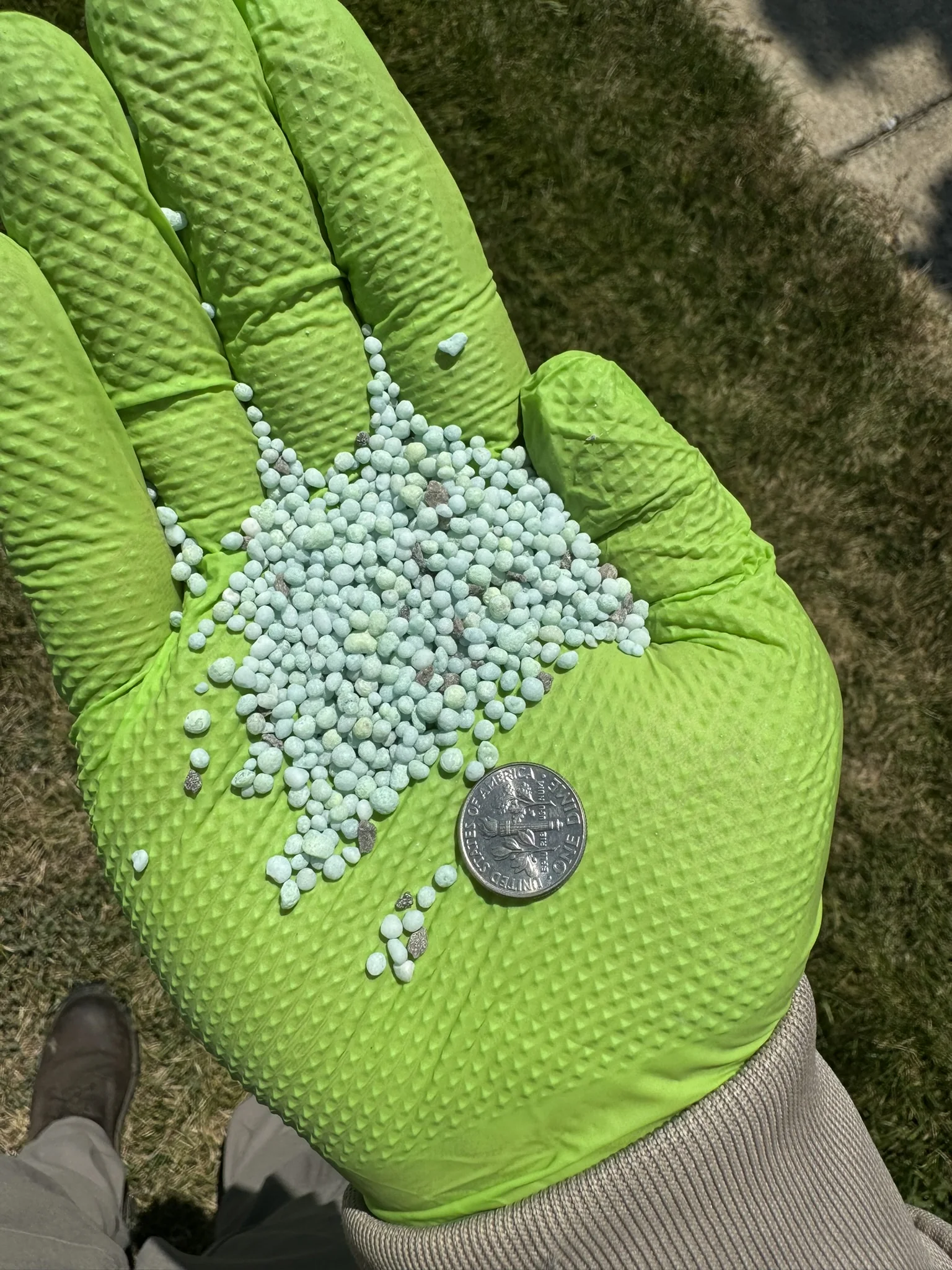
Please stop using sludge-based fertilizers like Milorganite. Beyond the PFAS concern, they dump massive amounts of unnecessary phosphorus to deliver a tiny amount of nitrogen. Also, avoid polymer-coated slow-release fertilizers; they coat urea in molten plastic that never breaks down, leaving microplastics in your soil forever. I use sulfur-coated urea instead; it performs nearly identically for turf and actually adds beneficial sulfur. Finally, never bag your clippings unless you're about to seed. Returning clippings is like doubling your nitrogen application for free. This practical, results-driven method is why I include everything, like fungicides, in one flat monthly rate. You get one standard of care, whether you're off Highway 100 or in Bellevue Meadows, based purely on the treatable area of your lawn.