Lawn Fertilization for Leipers Fork Homeowners
In Leipers Fork, your large property doesn’t need another generic lawn service guessing about soil tests. Your real problem is figuring out what your land actually needs without paying for unnecessary extras, especially when many products push phosphorus that our streams don’t need. Let's cut through the noise.
Around Leipers Fork, from the homesteads near Natchez Trace to the larger lots off Hillsboro Road, I see the same thing. Homeowners get told they need a full soil test and a complex nutrient cocktail just to have a decent lawn. That's a waste of your money. For fescue, the only thing your grass is truly always hungry for is nitrogen. I pull one soil sample for new clients in the spring solely to have a baseline for my business, but I won't use it to add anything unless we've corrected everything else first, and the grass still isn't right. That almost never happens.
The Nitrogen Your Land Needs
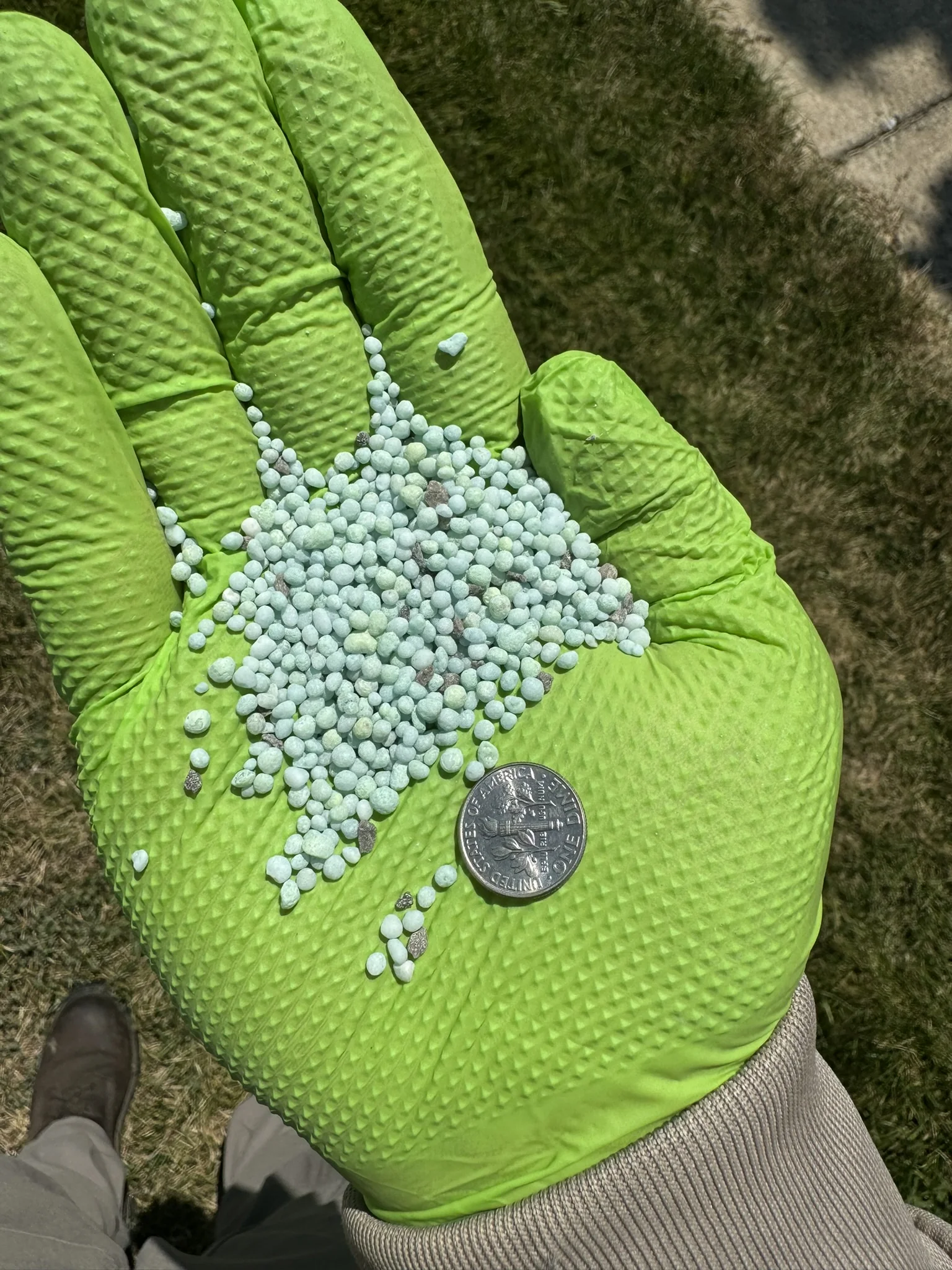
How and when that nitrogen is applied is everything. Half of your annual nitrogen should go down in the fall to build deep roots and carbohydrate storage, which is critical for surviving our dry summers. I use sulfur-coated urea for this slow release, not the plastic-coated products that leave microplastics. It also addresses the sulfur deficiency we now see in Middle Tennessee since diesel fuel was cleaned up. For properties with exposed subsoil, like many newer builds, I'll apply double or triple the nitrogen rate to get the turf established. My approach is calibrated on the spot for your land.
What You Should Never Apply
Conventional wisdom gets phosphorus and potassium wrong here. My aggregate soil data shows phosphorus levels in our area are pegged in the red. Applying more, especially from products like common starter fertilizers or sludge-based "organic" options, just feeds the algae blooms in our ponds and streams. Potassium is similar; studies show it's more likely to hurt your fescue than help it. I apply a tiny, targeted amount only in a specific late-winter window, using sulfate of potash to also deliver sulfur. My goal is to help your lawn without harming the environment your property borders.
A Simple, Effective Schedule
The program is straightforward. A calibrated nitrogen application in spring and fall, maybe some in summer if needed, and chelated iron with fungicide in July and August for a fast green-up without staining. I include preventative fungicides for issues like brown patch in every plan because it's the standard of care, not an upsell. You pay one flat monthly rate for everything. Starting this in September sets your lawn up for next year. The results compound, and you can stop bagging your clippings, which alone can double your nitrogen recycling.
Why Lawn Fertilization Matters in Leipers Fork
Middle Tennessee's heavy clay soils and slightly alkaline pH create unique nutritional challenges for fescue lawns. High potassium levels are common, but nitrogen and phosphorus must be carefully managed. The transition zone climate requires specific timing, lighter summer feeding to prevent heat stress and heavy fall feeding for root development. Our program is built specifically around these local soil and climate realities.