Mole Trapping for Leipers Fork Homeowners
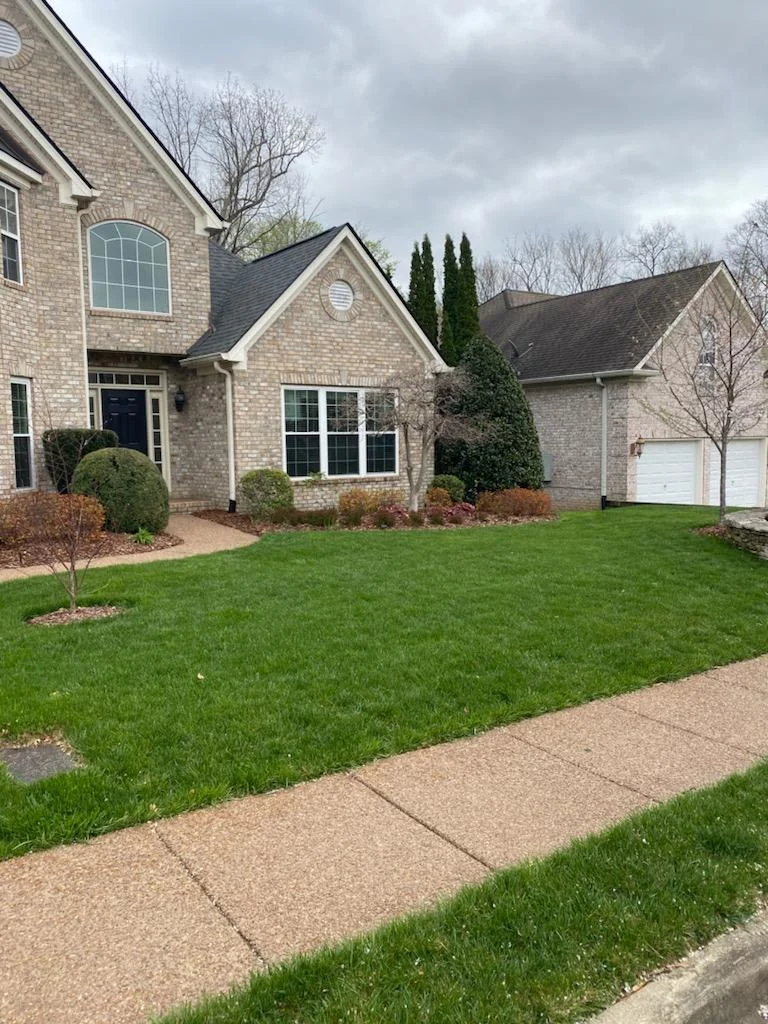
If you're dealing with moles around your Leipers Fork farmstead, you've probably noticed they ruin more than just the look of your grass. They're tearing up soil around your garden beds, undermining your stone walls, and making a mess of your pastures. Out here, where properties border woods and fields, one mole removal often just invites another from the neighbor's land.
In Leipers Fork, with our larger properties and established trees, moles are a persistent fact of life. You'll see their raised tunnels snaking along the edges of your driveway, stone walls, or the foundation of your barn. Those dirt mounds pop up around mature trees in your yard or near shallow limestone rock outcroppings common in the area. Most folks think grubs are the whole story, but I find it's usually a sign of something deeper. Here in Williamson County, a stressed tree, maybe from an old storm wound or being planted too deep years ago, triggers a chain reaction. That tree's roots become soft and defenseless, a perfect feast for white grubs, which then brings in the moles tunneling along the Natchez Trace Parkway corridor and into your homestead.
The Trap-Grub-Poison Protocol
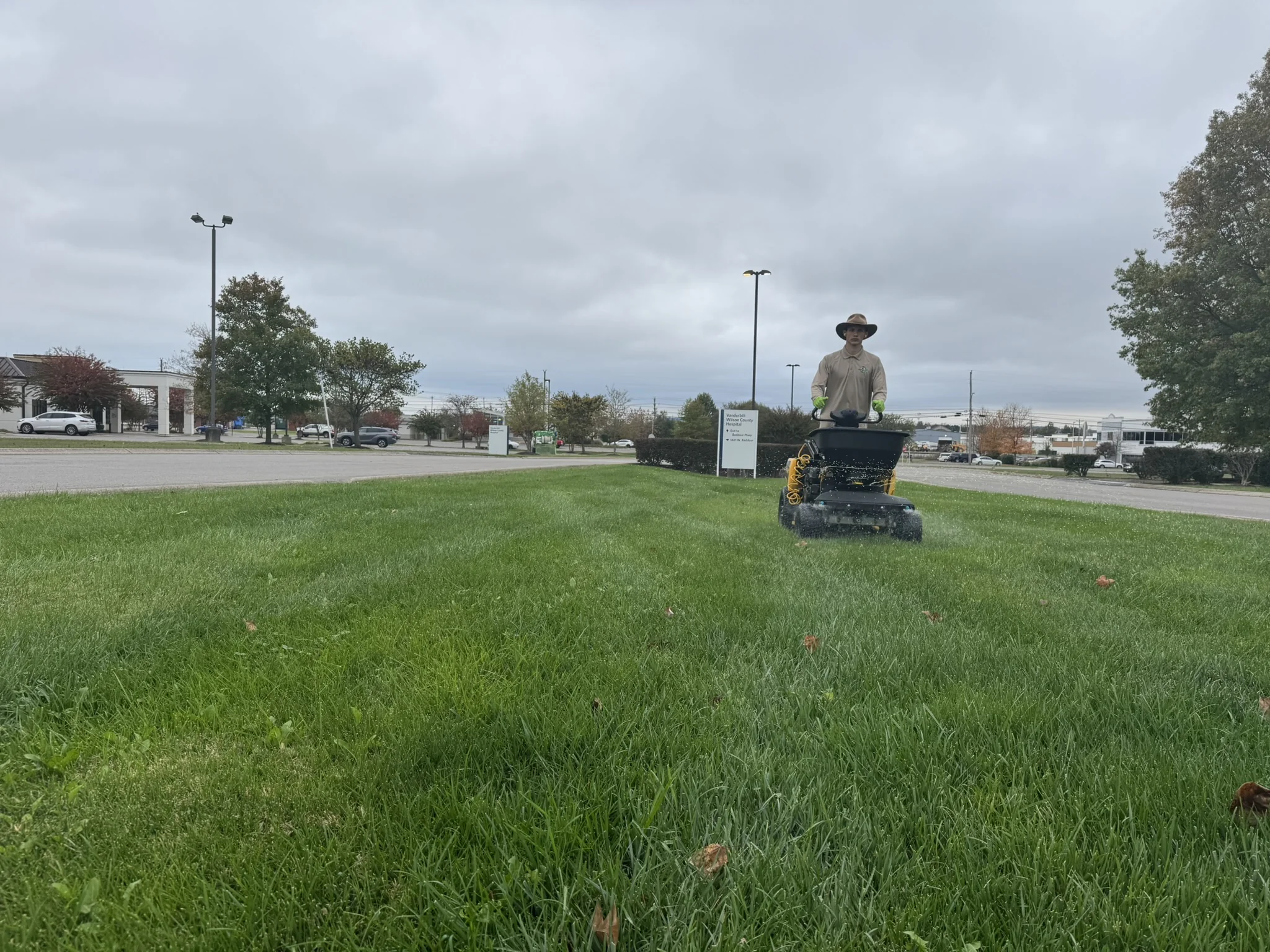
My method is a three-part system built for rural properties like yours. First, I trap the current moles using completely buried, safe in-tunnel traps, marked with flags so they're out of sight for kids and pets. Second, I address the grub population to remove the easy food source. Third, and this is critical for areas bordering open land, I place poison in the active tunnel network. This isn't mainly for the mole we just caught; it's for the next one from your neighbor's field that will inevitably find this empty, pre-dug highway and move right in. This protocol stops the cycle of re-infestation you've likely experienced before.
Why Just Killing Grubs Doesn't Work
You can't simply spray your way out of a mole problem on a Leipers Fork farm. The grubs feeding a mole population are often deep in the soil profile, munching on the stressed roots of a large oak or maple, far beyond where any surface insecticide can reach. Plus, moles eat a massive amount of earthworms, which are beneficial and impossible to eliminate. Even with zero grubs, earthworms alone can sustain them. That's why trapping is the necessary first step. The long-term fix involves helping that stressed tree recover over a season or two, so its roots toughen up and naturally become less attractive to grubs.
Your Neighbor's Mole Is Your Problem
Moles are fiercely territorial. When I trap and remove one from your yard near Fly or historic downtown Leipers Fork, its territory becomes vacant. A neighboring mole doing its perimeter patrol will find that empty tunnel network, no fight, no resistance. It now has a free food delivery system. This is why single trappings fail and why my three-part method includes a deterrent for that next mole. For homesteads where a perfect lawn isn't the goal but protecting gardens, pastures, and landscaping is, this comprehensive approach is the only one that provides lasting relief from the damage.
Why Mole Trapping Matters in Leipers Fork
Middle Tennessee's moist, loamy-clay soils are rich in earthworms and grubs, the primary food sources for moles. The region's abundant rainfall keeps soil moist and soft, making tunneling easy and productive for moles. Properties near wooded areas, creek banks, or with irrigated lawns are particularly attractive to moles. Grub control can reduce mole food sources, but trapping is necessary to remove moles already established on your property.