Mole Trapping for Grassland Homeowners
Your Grassland yard isn't just a collection of raised tunnels and dirt mounds; it's a sign of a deeper problem with a stressed tree on your property. I see it all the time in neighborhoods like Grassland Estates and along the older stretches of Cox Road. You've tried the DIY fixes, but the moles just come back, because the real issue is underground, tied to the health of your landscape.
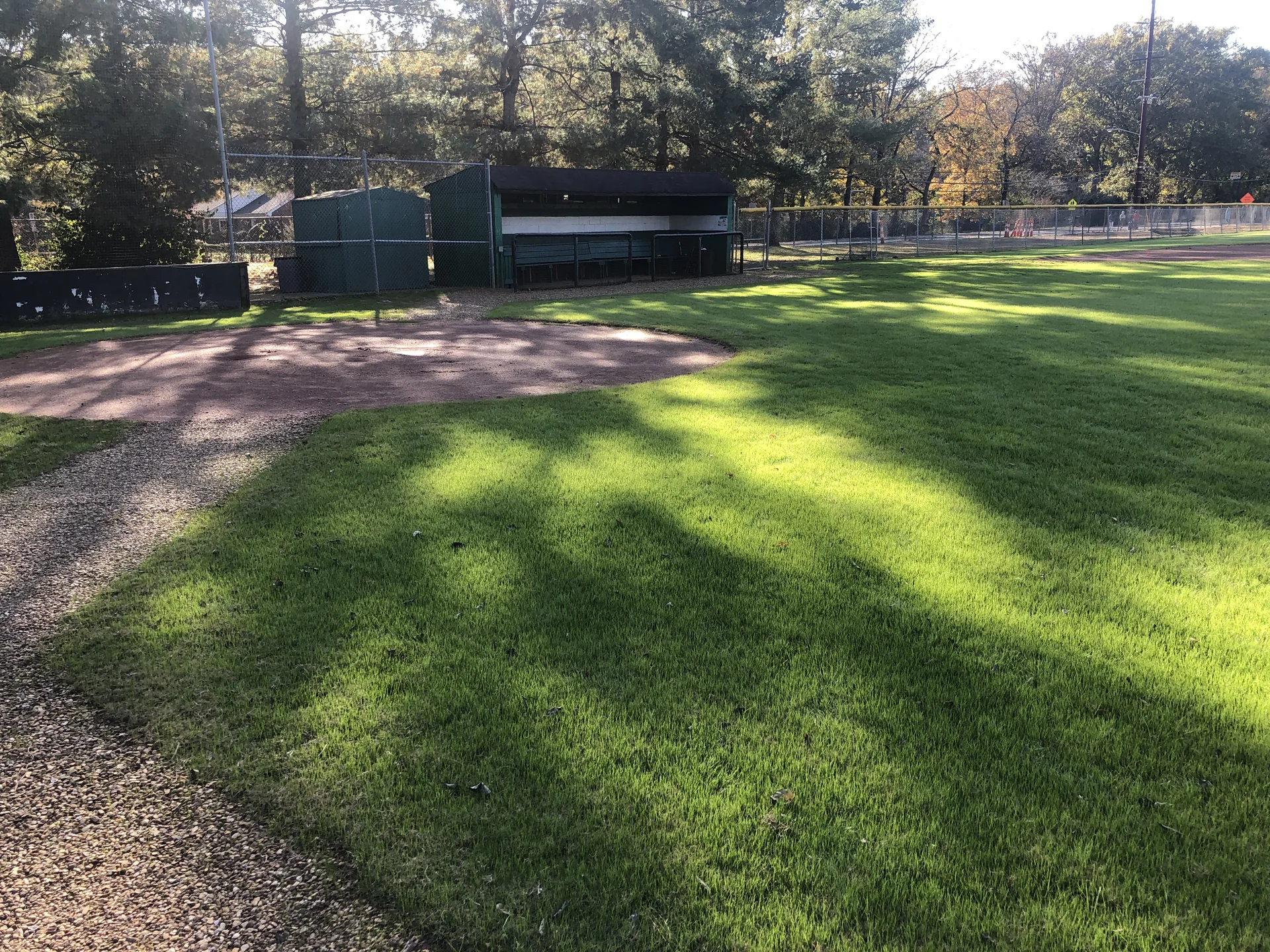
When you see those surface tunnels snaking along your driveway or patios in Grassland, it’s because the mole has hit a hard obstruction like concrete and has nowhere else to go. Those become its main highways. The dirt piles you find, especially around mature trees or where our shallow limestone bedrock is close to the surface, are its construction sites, places to push soil when it hits roots or rock below. My job starts by identifying these active runs, a task made easier if your lawn is mowed consistently, so I can see which tunnels withstand the pressure of mower tires.
The Root Cause in Your Yard
The common answer is grubs, but that’s only part of the story. In Grassland, especially in areas with older trees or in 5-8 year old neighborhoods where builders planted trees too deep, the real trigger is a stressed tree. That tree, maybe one that lost a major limb in a storm, sends out a biological signal. Its roots soften, becoming a buffet for white grubs. Those exploding grub populations are what attract the moles. Simply spraying for grubs won't fix it; the insecticide can't reach deep enough to protect those tree roots. You have to address the tree's health to stop the cycle.
My Three-Part Protocol
My method is trapping, grub control, and a strategic use of poison. First, I use completely buried, in-tunnel traps placed in guaranteed active runs, like those along your hardscapes, with safety flags so I, and you, know where they are. I remove the current mole. But because moles are fiercely territorial, removing one leaves a vacant, pre-dug network. A mole from your neighbor's property off Peytonsville Road will find it and move right in. That’s why step two is grub control to disincentivize new moles, and step three is placing poison in the tunnels to catch that replacement mole scouting the empty territory.
The Long-Term Fix for Grassland
True resolution means unwinding the cascade. I trap the current moles and control grubs in the turf. Crucially, we need to identify and help the stressed tree on your property, which is the engine of the problem. Over the next year or two, as the tree recovers, its roots toughen up, grubs decline, and moles lose their food incentive. Castor oil or sonic spikes won't achieve this; they're temporary at best. My protocol is designed for the specific conditions and clay soils of Grassland, targeting the cause, not just the symptom you see on the surface.
Why Mole Trapping Matters in Grassland
Middle Tennessee's moist, loamy-clay soils are rich in earthworms and grubs, the primary food sources for moles. The region's abundant rainfall keeps soil moist and soft, making tunneling easy and productive for moles. Properties near wooded areas, creek banks, or with irrigated lawns are particularly attractive to moles. Grub control can reduce mole food sources, but trapping is necessary to remove moles already established on your property.