
J.L.
Franklin, TN
AJ is not just a 'lawn service'. He is a teacher who is customer friendly and always communicates well. Our lawn went from weed patch to beautiful in two short years. I would highly recommend using this service!
View on GoogleWilliamson County · Mole Trapping
Professional mole trapping & removal for Franklin homeowners, delivered by Middle Tennessee's UT Certified lawn treatment specialists.
If you're in Franklin, staring at those telltale dirt mounds around your prized oak trees or the raised tunnels snaking along your driveway, you know the frustration. It feels like no matter what you do, the moles come back. That's because in our historic neighborhoods, the root cause is almost always the same: an old, stressed tree is triggering the entire problem.
In Franklin, moles aren't just a nuisance; they're a symptom. Your historic district oaks or the trees planted too deep in neighborhoods like Fieldstone Farms years ago are often the starting point. A tree gets stressed, its roots soften, and a buffet of white grubs forms, drawing in moles. They then carve out their network, creating those surface tunnels along your stone walkways and vertical dirt mounds where they hit our shallow limestone. I see this pattern constantly in older, established yards around the square and in places like Westhaven, where mature landscaping is a point of pride.
My approach is direct. First, I trap the existing moles using safe, in-ground traps, focusing on active runs along your hardscapes. Second, I apply a grub control to disrupt the food source. Third, and this is critical for lasting results in Franklin, I place a poison in the vacated tunnels. This catches the *next* mole that will inevitably try to take over the empty territory from your neighbor's yard. Trapping alone is a temporary fix here; you must address the future invasion.
The real, long-term solution involves your trees. The grub explosion feeding the moles starts with a stressed tree. Over one to two years, as that tree recovers, whether it needs careful correction of planting depth or restorative care after storm damage, its roots toughen up. Healthier roots support fewer grubs, which makes your lawn far less attractive to new moles. This is why just treating the symptom with traps or castor oil fails. You have to unwind the biological cascade that’s happening under your historic Franklin soil.
You’ll read about sonic spikes or bubble gum myths online. They don’t work. Even castor oil sprays are a short-term deterrent at best in our climate, washing away with the next heavy rain. The common advice of just applying grub control is also flawed. The grubs feeding moles in Franklin are often deep, munching on tree roots far below where surface insecticide can reach. That’s why professional trapping is the primary tool, supported by a plan that accounts for our local mole behavior and the specific conditions of your yard.
Middle Tennessee's moist, loamy-clay soils are rich in earthworms and grubs, the primary food sources for moles. The region's abundant rainfall keeps soil moist and soft, making tunneling easy and productive for moles. Properties near wooded areas, creek banks, or with irrigated lawns are particularly attractive to moles. Grub control can reduce mole food sources, but trapping is necessary to remove moles already established on your property.
Get a customized mole trapping & removal plan for your Franklin property.
Request a QuoteOr call (615) 490-4082★ UT Certified Lawn Care Professional
★ Tennessee Turfgrass Association Member
★ Turfgrass Water Conservation Alliance Member
★ Nextdoor Neighborhood Favorite
★ BBB A+ Accredited
Moles are fiercely territorial. When you remove one, you leave a vacant, pre-dug network. A neighbor's mole will find it and move right in. My protocol includes poison in the old tunnels specifically to catch that replacement mole.
Not necessarily, but it's a major warning. Those mounds mean the mole hit rock or roots and pushed dirt up. It often indicates a stressed tree with softened roots that grubs are attacking, which attracted the mole. The tree needs assessment.
It helps deter new moles long-term, but it won't eliminate current ones. Moles also eat earthworms, which are plentiful in Franklin's clay soils. The primary method must be trapping, combined with addressing the tree stress that caused the grub problem.
This hits a predictable 5-8 year mark. Builders often plant trees too deep. Years later, that stress triggers the grub-mole cycle. I see this in many of Franklin's newer communities where the landscaping has now settled in.
J.L.
Franklin, TN
AJ is not just a 'lawn service'. He is a teacher who is customer friendly and always communicates well. Our lawn went from weed patch to beautiful in two short years. I would highly recommend using this service!
View on GoogleK.D.
Franklin, TN
A year ago our lawn was full of weeds and crabgrass. A.J. has done a wonderful job of restoring our lawn to a nice green beautiful lawn.
View on GoogleD.J.
Franklin, TN
As a former chemistry teacher and graduate of Clemson, I appreciate AJ's knowledge and information. I am able to give excellent aftercare by following his emailed instructions. Please sign up for one year and you will… Read D.J.'s full review
View on GoogleD.J.
Franklin, TN
Drive by and look at my beautiful lawn. AJ did it. He teaches me something new every time. (Ex: when to water, best time to cut grass, height of grass, fungus, weeds and shape of healthy grass)
View on GoogleJ.B.
Franklin, TN
They have done a great job! Very prompt to requests and fairly priced.
View on GoogleG.S.
Franklin, TN
Mr. Lawn. Such great service!! Can't recommend enough! AJ is very helpful. My lawn had so many weeds and now it's looking so good after our first service.
Actual photos from mole trapping & removal jobs in Franklin and surrounding Middle Tennessee areas.
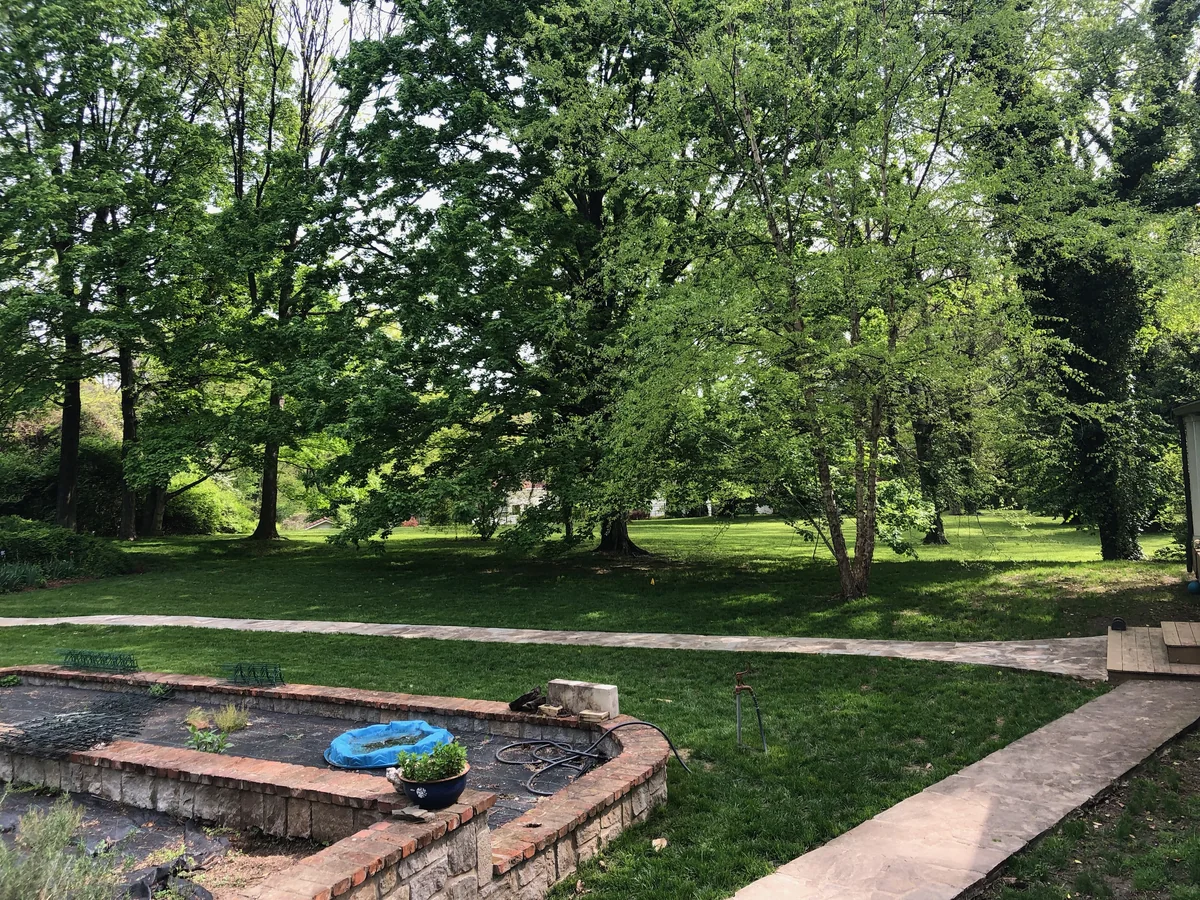


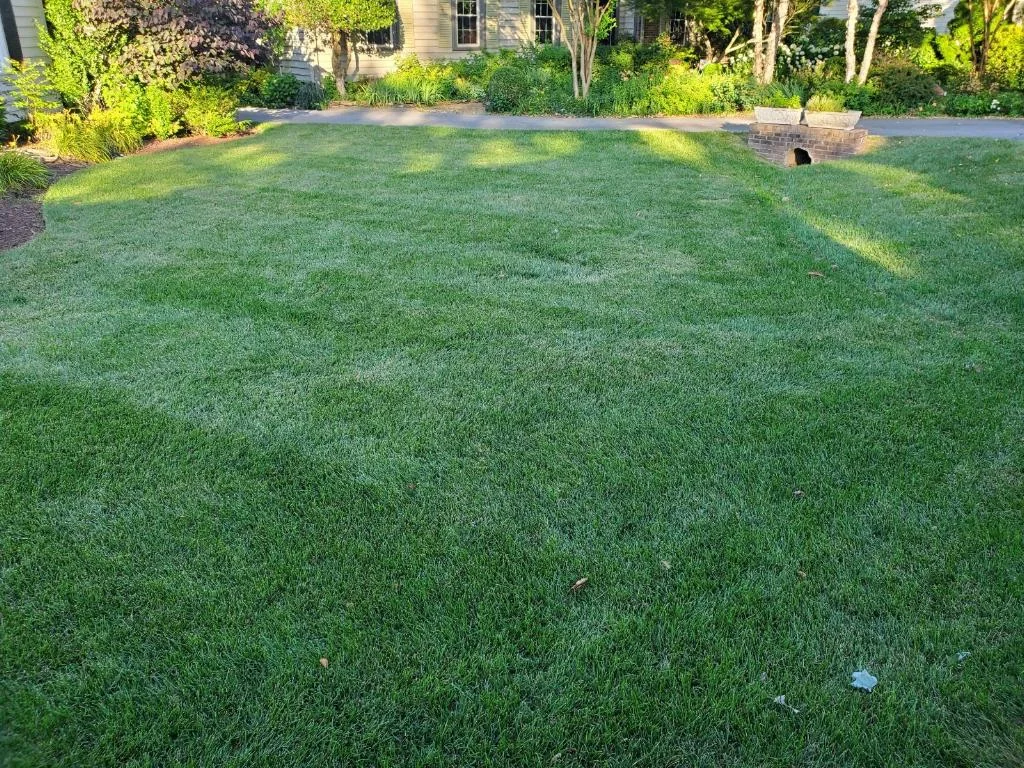
Get a free quote for professional mole trapping & removal from our UT Certified team. We serve all of Franklin and surrounding Williamson County areas.