Hydroseeding for Grassland Homeowners
In Grassland, new construction means your yard is likely sitting on a thin layer of topsoil over clay and gravel, perfect for mud and weeds, not for a lawn. Older properties battle tree roots and the aggressive common Bermuda that pushes out every other grass. Getting seed to take root in these conditions is why generic hydroseeding fails here.
Grassland’s clay base and that tough gravel mix common in newer neighborhoods like Westmeade Estates cause two problems for a traditional lawn. First, water either runs off or creates a muddy crust that traps seed. Second, even if you do get grass, the aggressive common Bermuda in established areas like along Old Peytonsville Road will just invade and take over. Standard hydroseeding uses a one-size-fits-all contractor seed mix full of annual ryegrass and cheap tall fescue like Kentucky 31. That mix greens up fast for a contractor's final walkthrough, but by next summer you’re left with a weedy mess riddled with dallisgrass.
Our Seed Is Different
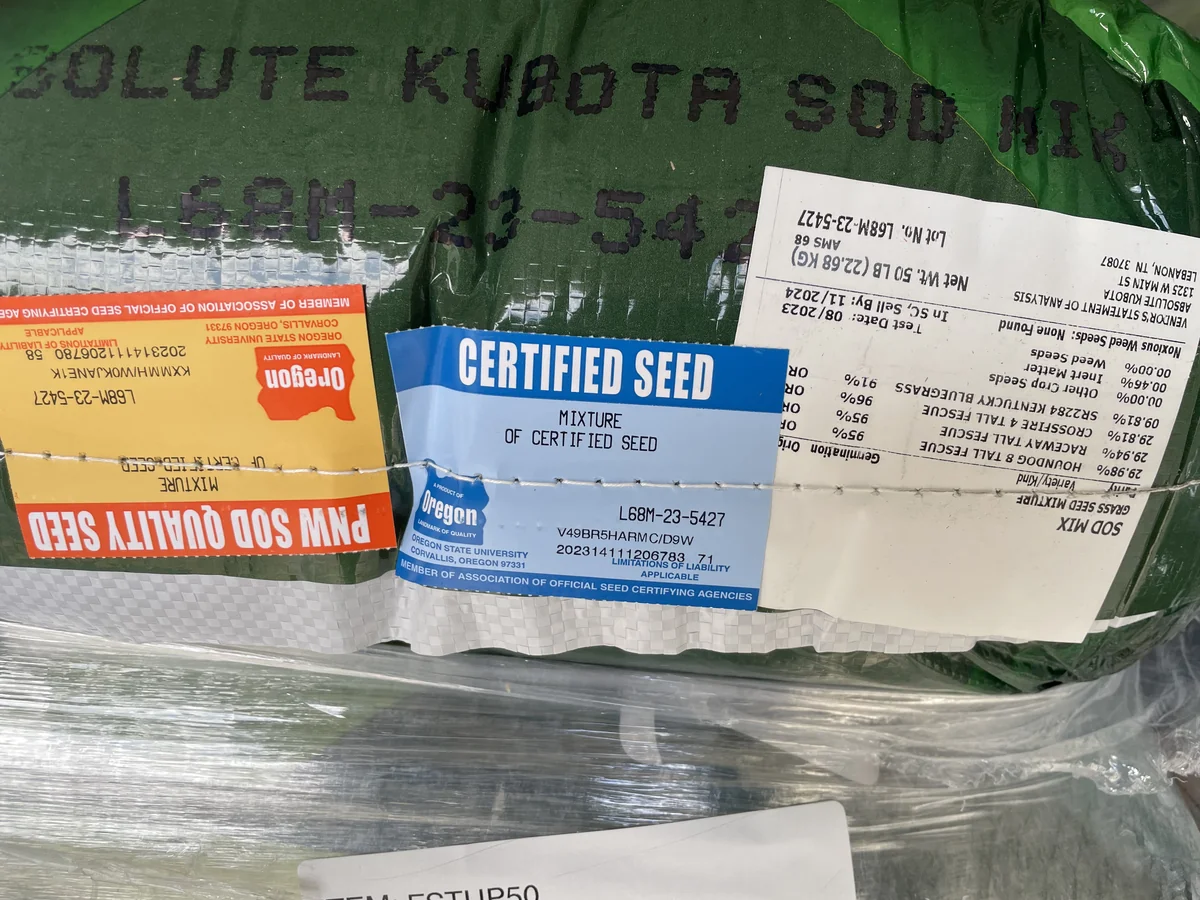
I don't use contractor mixes. I blend my own seed based on five-year university research trials from places like Knoxville and Mississippi, which have similar heat and humidity to your yard off Wilson Pike. For Grassland, I pick cultivars specifically for summer drought tolerance and brown patch disease resistance, because our nights stay muggy into September. The blend is 90% high-end turf-type tall fescue and 10% Kentucky bluegrass, the same ratio used on sod farms. This bluegrass adds self-repair for mower ruts and acts as a firebreak against disease, a critical edge in our climate. Every seed is Sod Quality Certified, meaning it’s lab tested and field-inspected to have zero noxious weed seeds, unlike the contaminated straw or cheap bagged seed.
Why Our Method Works Here
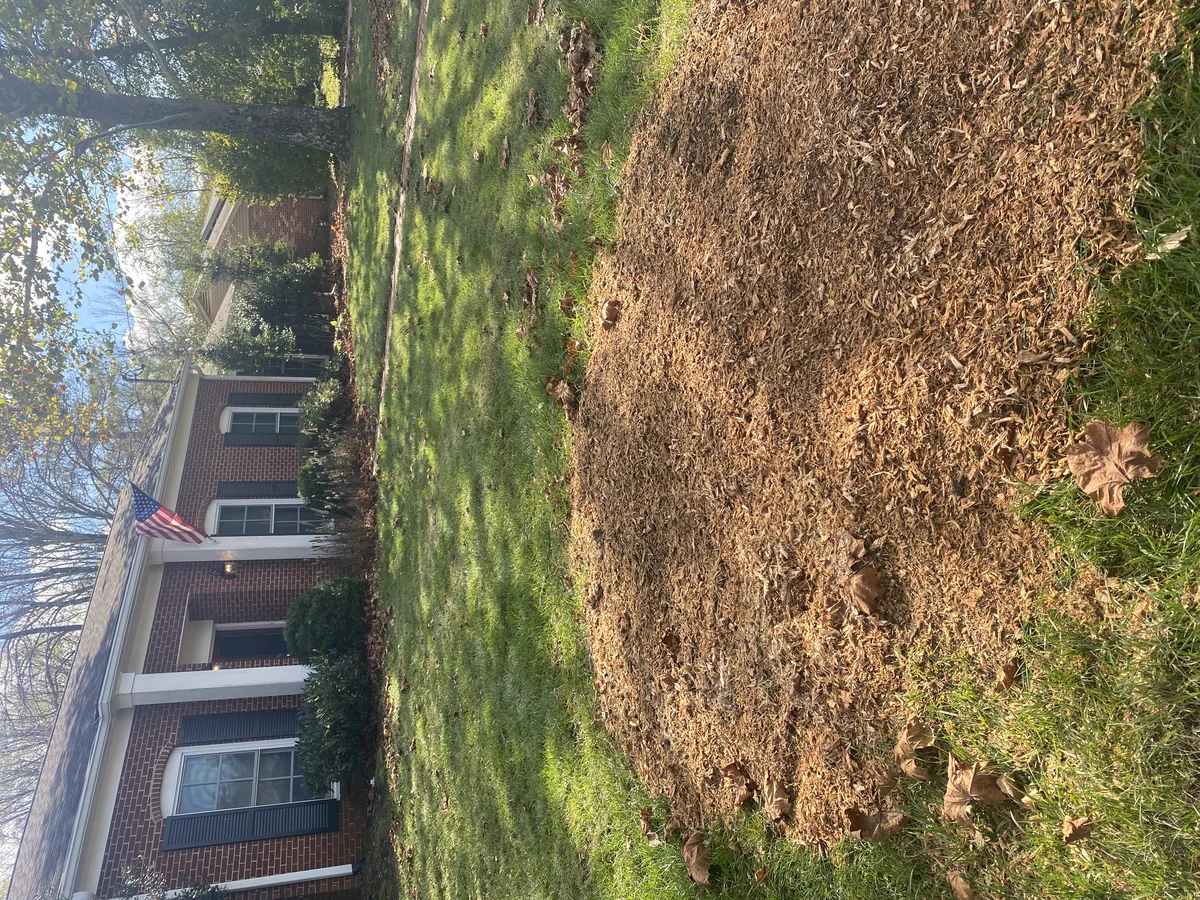
The hydroseeding slurry itself is just the delivery system; what’s in it makes or breaks your lawn. I mix a premium wood-fiber mulch that holds moisture against the seed on your sloped lot, not straw which brings in Johnson grass seed. The seed rate is precise, calibrated for whether you’re covering bare dirt from construction or thickening an existing lawn. For new yards, that means a heavy rate to crowd out weeds from day one. Timing is critical. The best window for Grassland is late August through September, so the seedlings establish before the first frost risk around early October. This gives the grass a deep root system to survive next summer’s heat.
The Guarantee Against Callbacks
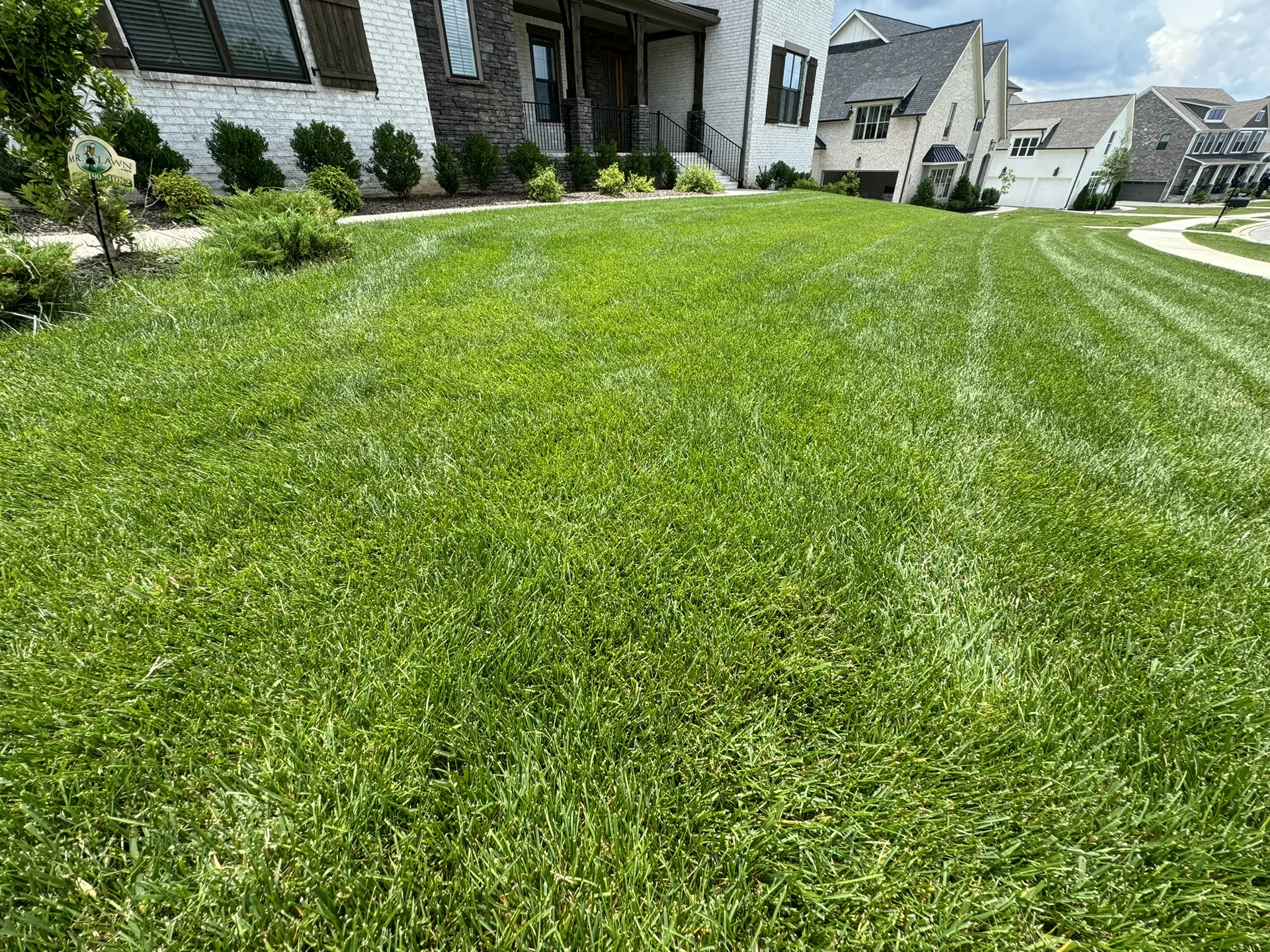
My business depends on your lawn growing in completely, not just in patches. That’s why every hydroseeding job comes with a germination guarantee. If I miss an area or the seeds don’t take, I come back and fix it at no cost. This guarantee exists because I control the seed quality and the application. You won’t get a thin, weedy stand that leaves you frustrated next May. The goal is a dense, uniform lawn that can handle kids playing in the yard off Morton Mill Road and looks seamless with any existing sod, because the seed blend literally matches what sod farms use.
Why Hydroseeding Matters in Grassland
Middle Tennessee's booming residential construction often leaves properties with stripped topsoil and compacted clay. Traditional dry straw and seed easily blow away or wash out during our heavy spring and fall rains. Hydroseeding's tackifier locks the seed in place, even on slopes, while the moisture-retaining mulch protects the seed from our intense sun, ensuring successful establishment in our challenging transition zone environment.