Hydroseeding for Belle Meade Homeowners
For a Belle Meade estate, an inferior hydroseed job isn't just an eyesore; it's a lasting financial and aesthetic liability on a multi-acre canvas. Generations of contaminated nursery stock and decades-old irrigation systems have already loaded your soil with weed seeds like wild violets, and a cheap contractor mix will guarantee they dominate your new lawn. Your grounds deserve a start that matches their stature, not a temporary cover-up riddled with future problems.
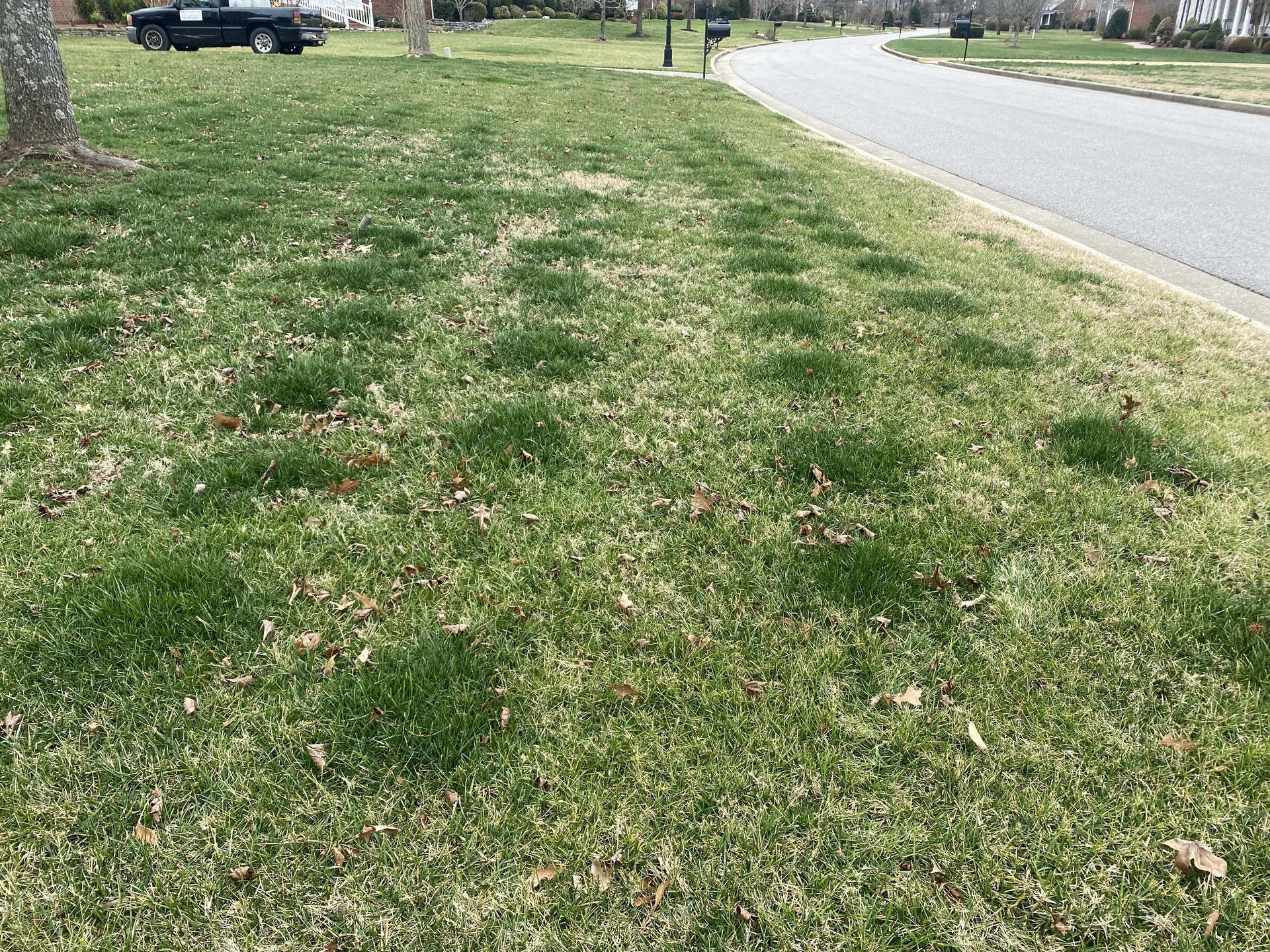
Your estate's soil tells a story, and in Belle Meade, it's often one of unintended consequences. Decades of overwatering from oversized irrigation and years of contaminated soil amendments have left a legacy of wild violets and aggressive, weedy grasses lying dormant, ready to explode in a new lawn. A standard hydroseeding service using generic "contractor mix" seed is exactly what triggers that explosion. That mix, designed for quick green-up on construction sites, is loaded with annual ryegrass and cheap, weedy fescue like Kentucky 31. It looks good for the final walkthrough but guarantees a lawn full of dallisgrass, Johnson grass, and quack grass by next summer, especially under the old-growth tree canopy near Belle Meade Country Club or along Harding Road.
My Seed Is Your First Defense
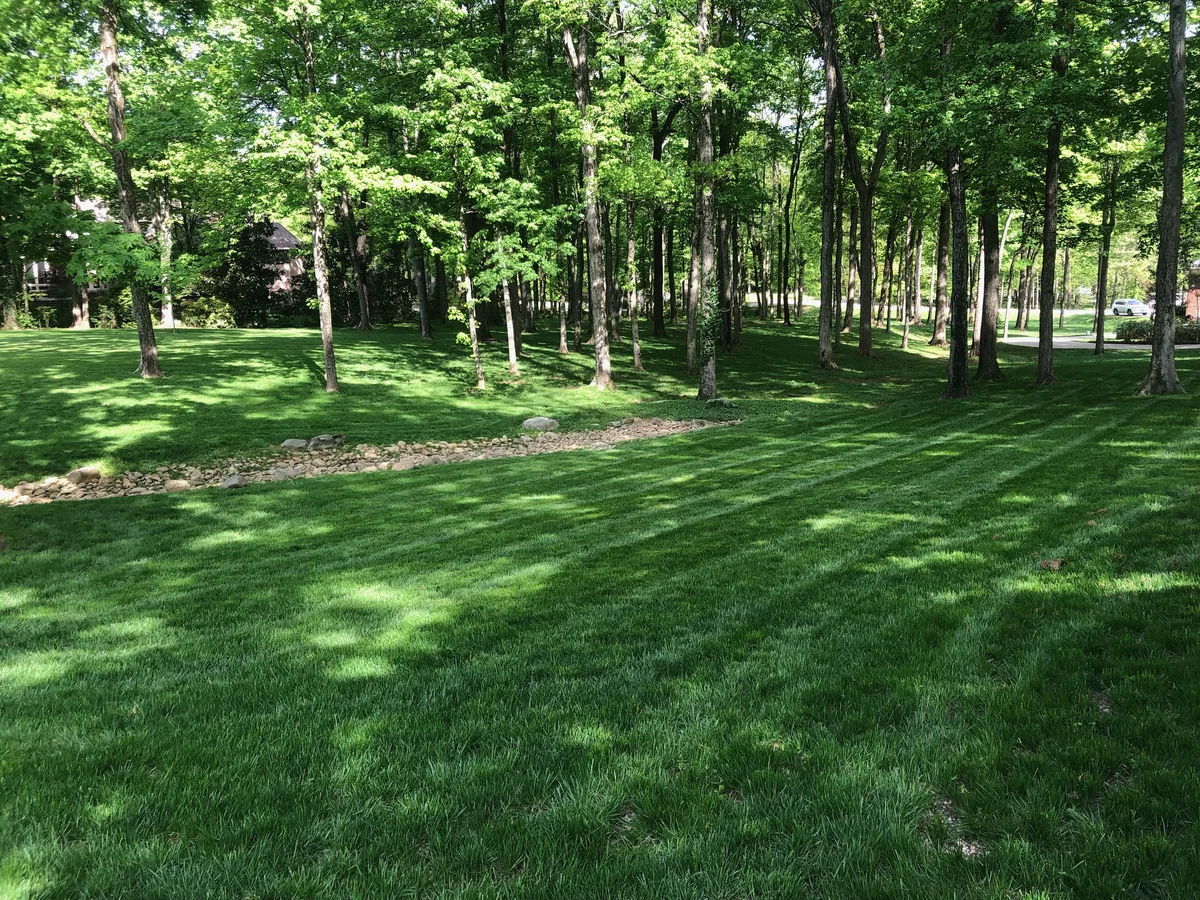
I don't use contractor mix. I build a custom hydroseed blend for Belle Meade using only Sod Quality Certified (Gold Tag) cultivars, selected from five years of university research trials in climates like ours. This seed has near-zero tolerance for weed contamination, which is critical on your historic properties. My blend combines tall fescues chosen for deep shade tolerance under your mature oaks, superior drought recovery for areas where tree roots compete fiercely, and cultivars with high endophyte levels to resist insect pressure naturally. This isn't just grass seed; it's the genetic foundation for a lawn that will thrive on your specific grounds for years, not just survive until the next renovation.
Precision Application Is Non-Negotiable
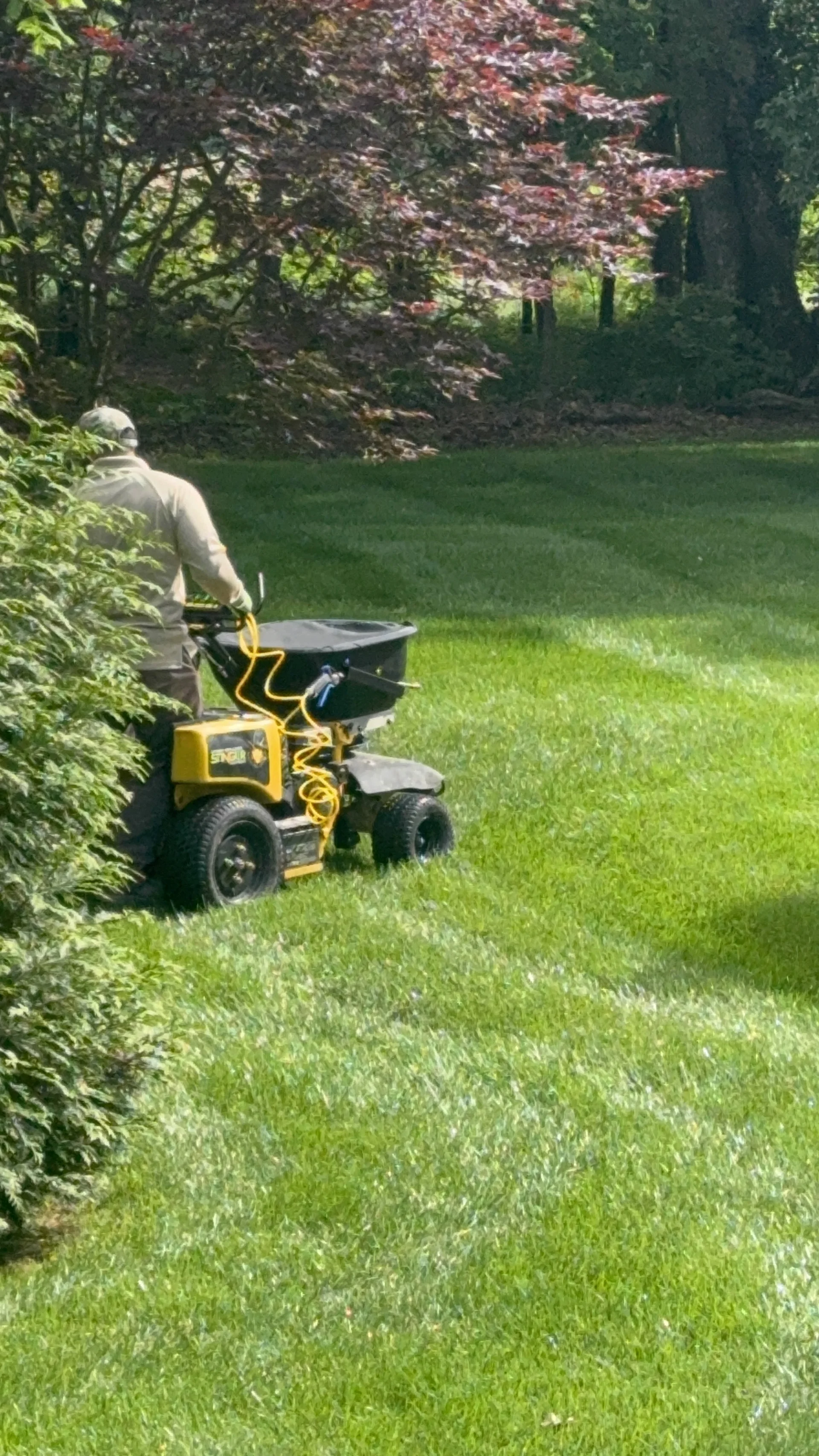
On estates of your scale, uniform coverage is everything. I use a system that meters seed, mulch, and starter fertilizer simultaneously, ensuring every square foot from the main drive to the back acreage receives the exact same consistent rate. This prevents the thin, patchy germination you see with sloppy tank mixing or uneven walking speeds. The bonded fiber mulch we use holds moisture against Belle Meade's heavy clay, protects seedlings from washout during a sudden downpour, and completely excludes the use of straw, which is a primary source of Johnson grass and dallisgrass seed contamination I see everywhere here.
Timing and The Follow-Through
The hydroseeding window here is narrow. We need to schedule for late summer to early fall, ideally by mid-September, to give the seedlings time to establish robust roots before winter. My guarantee is straightforward: if I miss an area or germination fails due to my materials, I return at no cost. For you, the real value is in starting with a clean, dense, and weed-resistant turf stand from day one. This proactive approach saves you the immense cost and headache of trying to correct a contaminated lawn in three years, which is the inevitable result of using the wrong seed on these storied Belle Meade soils.
Why Hydroseeding Matters in Belle Meade
Middle Tennessee's booming residential construction often leaves properties with stripped topsoil and compacted clay. Traditional dry straw and seed easily blow away or wash out during our heavy spring and fall rains. Hydroseeding's tackifier locks the seed in place, even on slopes, while the moisture-retaining mulch protects the seed from our intense sun, ensuring successful establishment in our challenging transition zone environment.