Mole Trapping for Belle Meade Homeowners
In Belle Meade, your massive estate grounds are being vandalized by tunnels running along every driveway edge and putting green, and dirt mounds erupting beneath your ancient oaks. You're not just dealing with a few pests; you're facing a symptom of a deeper issue within your historic, old-growth landscape that typical trapping alone won't solve.
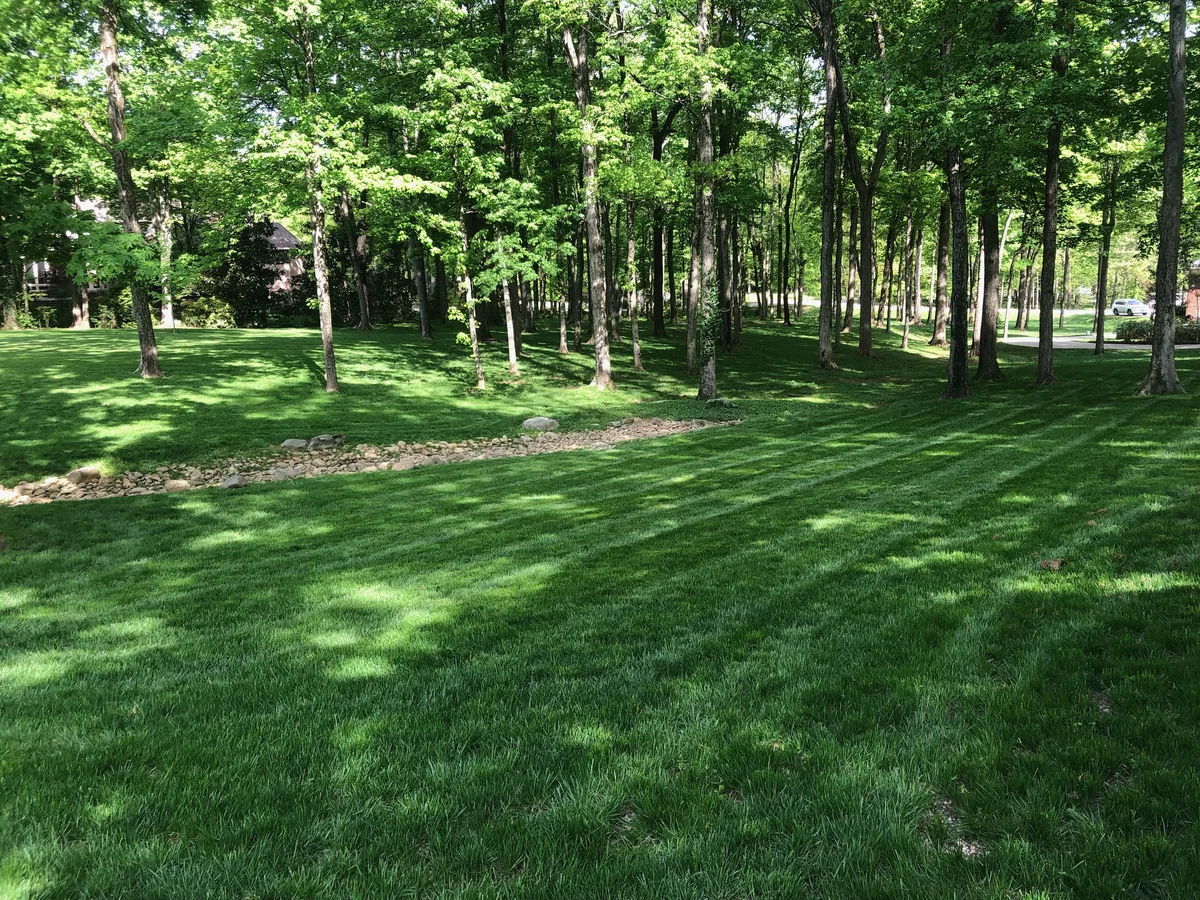
If you live off Harding Place or on one of the sprawling estates near Belle Meade Country Club, you've seen it: those unsightly, raised earth tunnels that trace every concrete edge of your pool deck, sidewalks, and driveways. The moles in your yard are small, but the disruption is huge, and it's a direct result of the very things that make your property beautiful, your mature, old-growth trees. Decades of landscape history mean some of those specimen trees are now under stress, whether from past storm damage, being planted too deep generations ago, or simply the intense competition on a multi-acre lot. That tree stress is the true root of your mole problem.
The Stress-Grub-Mole Cascade
Here’s what’s happening below your lawn. A stressed tree, like an oak losing a major limb, converts its deep roots into soft, easily-digested carbohydrates. This process shuts down the tree's natural defenses, turning its root zone into a buffet for white grubs. As the grub population explodes, moles move in to feast. They tunnel relentlessly, and when they hit the limestone or concrete hardscapes common on your estate, they simply run alongside it, creating those prominent ridges. Killing grubs with insecticide won't stop this cycle, because the grubs feeding on those deep tree roots are out of reach of any surface spray.
A Trapping Plan for Large Properties
My approach for a Belle Meade property is a three-part protocol designed for large, complex grounds. First, I use completely buried, in-tunnel traps placed in active runs, especially along hardscape edges, ensuring safety for kids and pets and reducing callbacks. I find these active tunnels by looking for ones that persist even after your groundskeeper's mower has rolled over them. Second, we implement a grub control program for your turf areas to disincentivize new moles. Third, I place a specific poison in the vacated tunnel network. This isn't primarily for the mole we just caught; it’s for the next one from your neighbor's yard that will inevitably come to claim the empty, pre-dug territory.
The Long-Term Fix for Your Estate
The real solution goes beyond trapping. We need to identify and correct the health of the stressed tree or trees causing the grub explosion. This could involve deep-root fertilization, proper mulching, or consulting with an arborist. Over one to two years, as the tree recovers, its roots toughen up and start producing natural defenses again. The grub population declines, and the moles lose their food incentive. This is the only way to break the cycle for good on your historic property, protecting both your manicured grounds and your legacy tree canopy.
Why Mole Trapping Matters in Belle Meade
Middle Tennessee's moist, loamy-clay soils are rich in earthworms and grubs, the primary food sources for moles. The region's abundant rainfall keeps soil moist and soft, making tunneling easy and productive for moles. Properties near wooded areas, creek banks, or with irrigated lawns are particularly attractive to moles. Grub control can reduce mole food sources, but trapping is necessary to remove moles already established on your property.