Weed Control for Belle Meade Homeowners
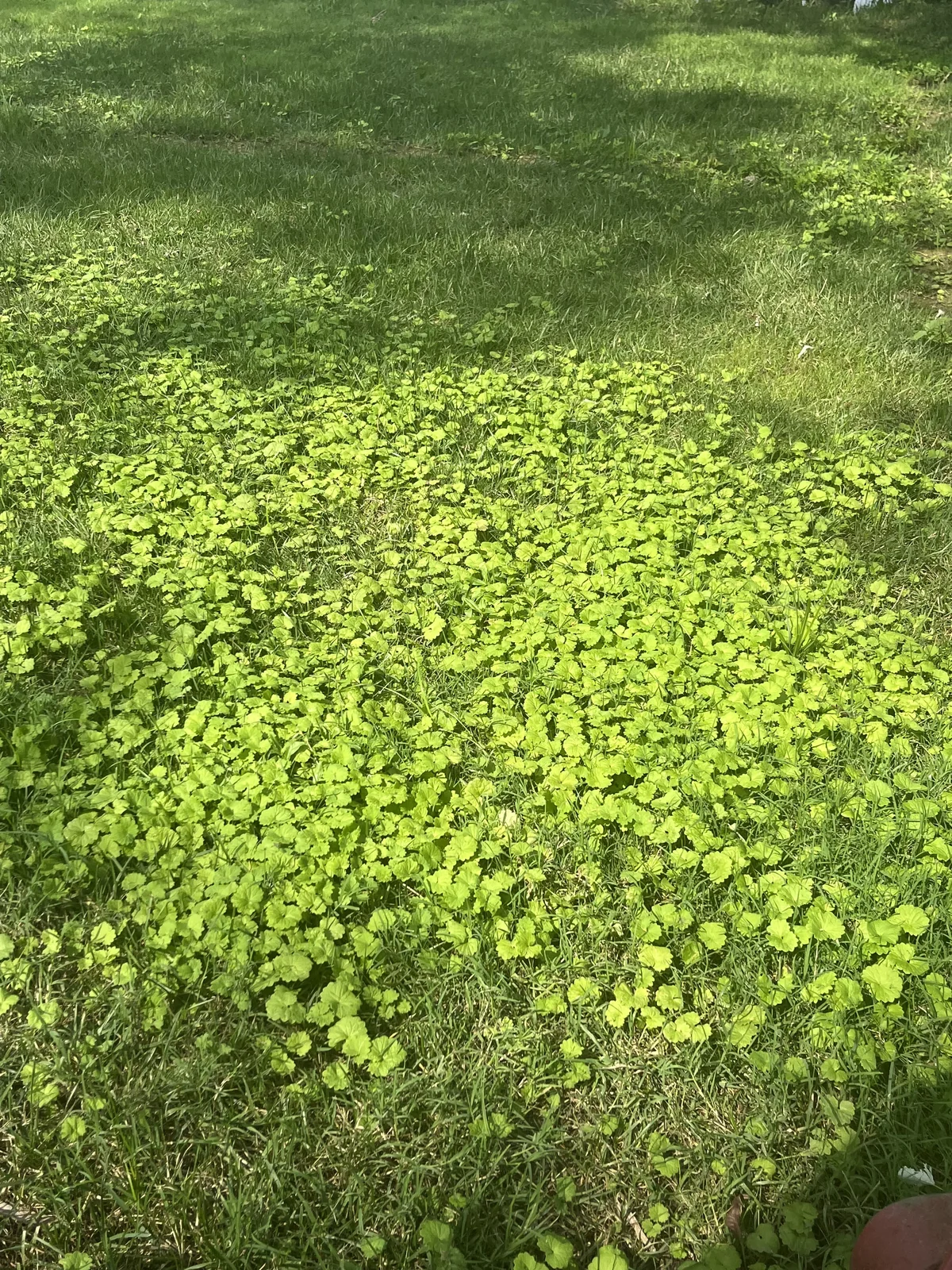
On a Belle Meade estate, weeds aren't just an eyesore; they're a persistent challenge your mower and groundskeepers can't outrun. Decades of contaminated nursery stock means wild violets are woven into your soil, and the heavy clay, massive tree shade, and overwatering from outdated irrigation create a perfect storm for nutsedge and Virginia buttonweed. A generic spray-and-pray approach fails here because the problem is foundational.
If you're seeing wild violets spreading under your old-growth oaks or nutsedge popping up in overwatered zones near Harding Pike, you're dealing with weeds that have a generational head start. Many lawn companies see your historic estate and apply the same standard treatment they use everywhere else. That's a cosmetic band-aid. My approach starts with understanding that weeds like wild violets and Virginia buttonweed in Belle Meade require a strategic, multi-year attack on their lifecycle, not a one-time summer rescue. I treat the root cause, not just the symptom.
The Two-Window Strategy for Tough Weeds
Perennial weeds like wild violets and Virginia buttonweed don't die from a summer spray. They go dormant like a bear hibernating, storing resources in fall and spending them in spring. That's why I treat them in two critical windows: early spring to weaken them as they wake, and late summer into early fall for the real kill shot as they pull resources down into their roots. Spraying in June when you finally see them at mowing height is largely cosmetic; it might suppress them for a few weeks, but it won't reduce their presence next year. In the shade-dense areas around Belle Meade Country Club, this timing is everything.
Your Irrigation Is Feeding the Problem
A common theme I see on Richland Avenue and along Belle Meade Boulevard is irrigation systems dumping far more than an inch of water per week. This doesn't just waste resources; it actively creates ideal conditions for yellow nutsedge, especially in poorly draining depressions. Nutsedge loves constant moisture. My first step is often a simple drainage fix, like extending a downspout with a pop-up emitter to move roof runoff away from trouble spots. Then, I apply targeted chemistries as early as February during warm spurts, hitting nutsedge long before most companies even start their trucks. This early, cooler-weather approach allows for safer, more effective treatments without risking damage to your fescue.
Pre-Emergent Is Your Best Defense
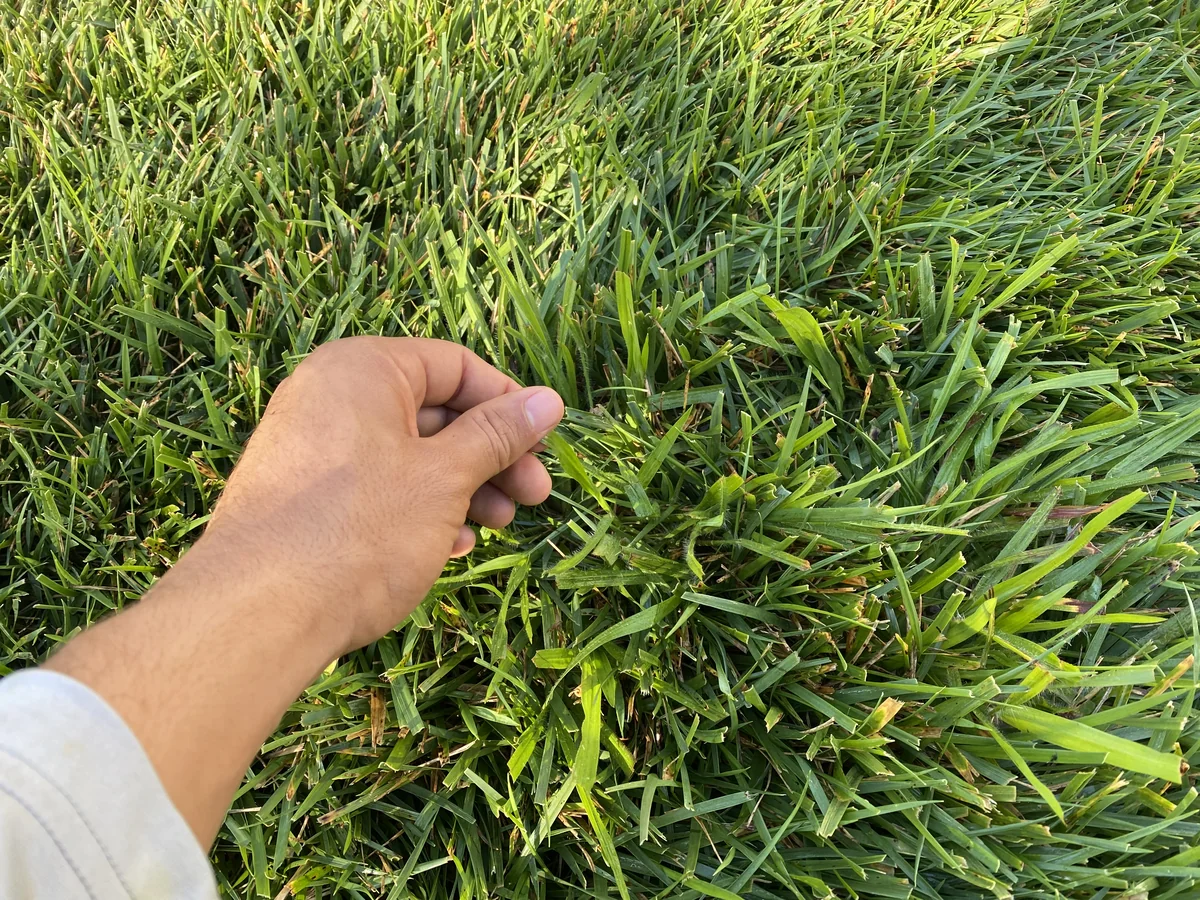
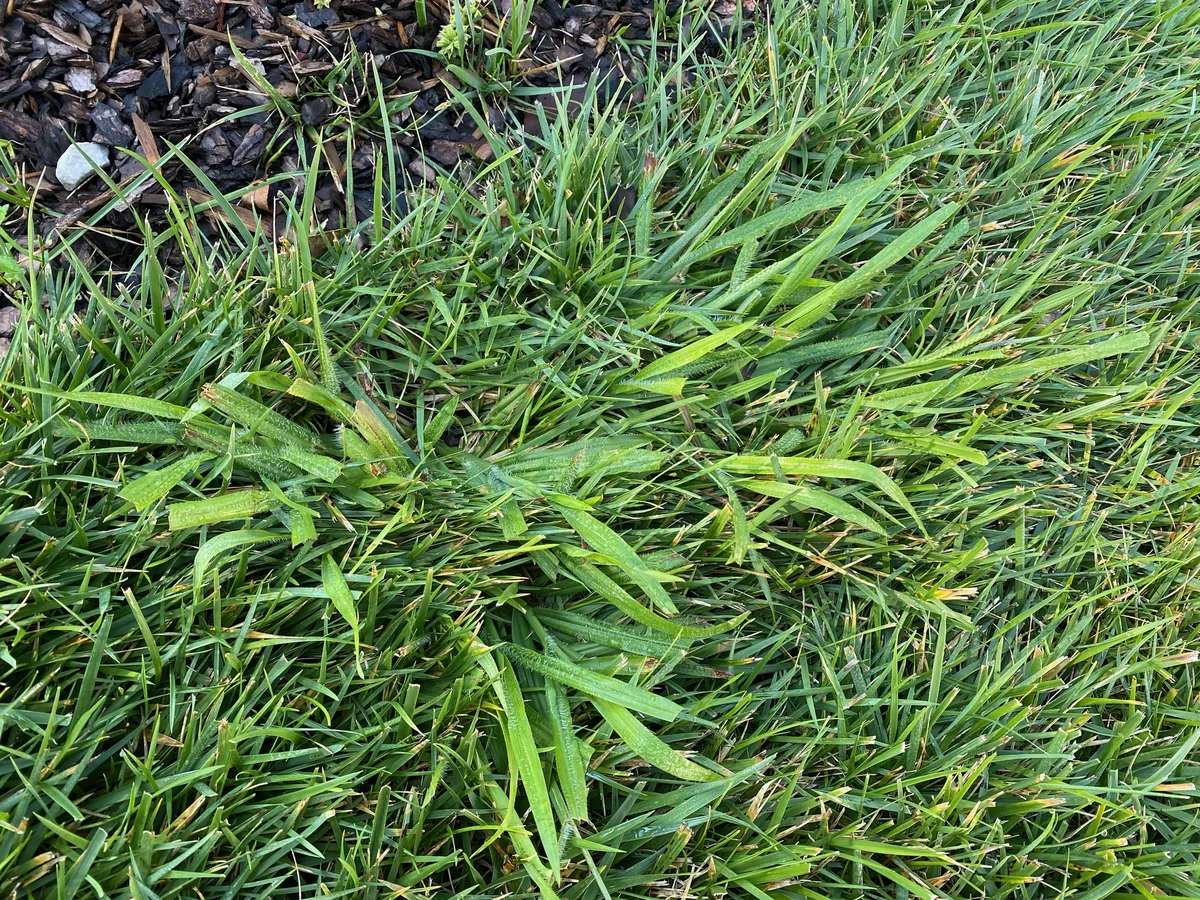
For annual weeds like crabgrass and poa annua, prevention is simple and far more effective than chasing them later. I apply a low-toxicity pre-emergent barrier in late winter to protect against summer weeds, and again in early fall to stop winter annuals. This creates a year-round shield, dramatically reducing the need for rescue sprays. It's especially crucial on large properties where different zones get varying sun and shade. This proactive barrier, combined with promoting a thick, healthy stand of fescue, is how you build a lawn that naturally resists invasion, saving you from constant spot-treating across your acreage.
Why Weed Control Matters in Belle Meade
Middle Tennessee's transition zone climate means your fescue lawn competes with both cool-season and warm-season weeds. Crabgrass, goosegrass, and nutsedge thrive in our hot summers, while henbit, chickweed, and annual bluegrass invade during mild winters. The heavy clay soils throughout Maury and Williamson counties also create thin spots where weeds establish quickly. Our weed control program addresses this full spectrum of weed pressure with seasonally appropriate treatments.