Weed Control for Cool Springs Homeowners
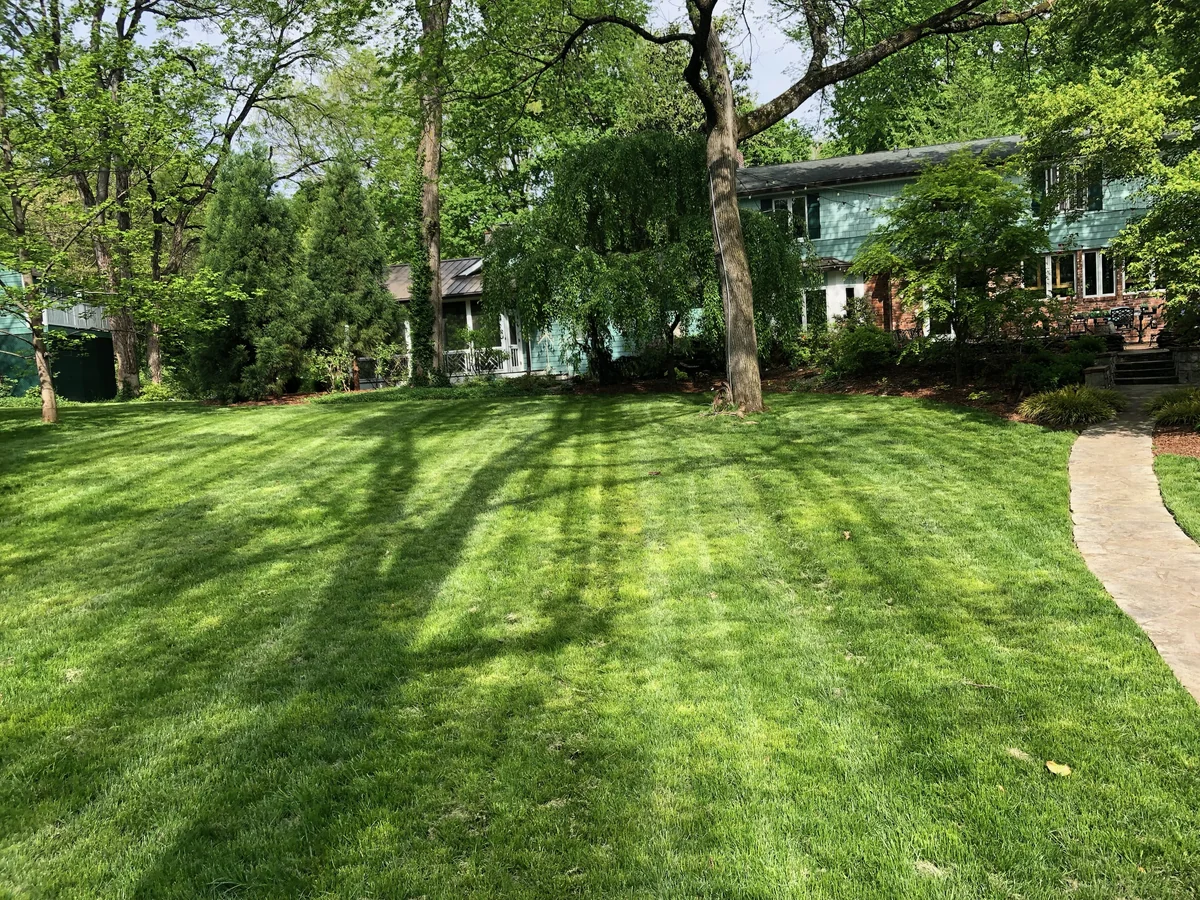
You see them every time you pull into your driveway in Fieldstone Farms or The Reserve at Westhaven; those clumps of weedy grass that don't belong, or patches of clover that spread overnight. In Cool Springs, your lawn's biggest threat isn't just the weeds, it's the timing. By the time you notice the problem, it's often too late for a simple fix.
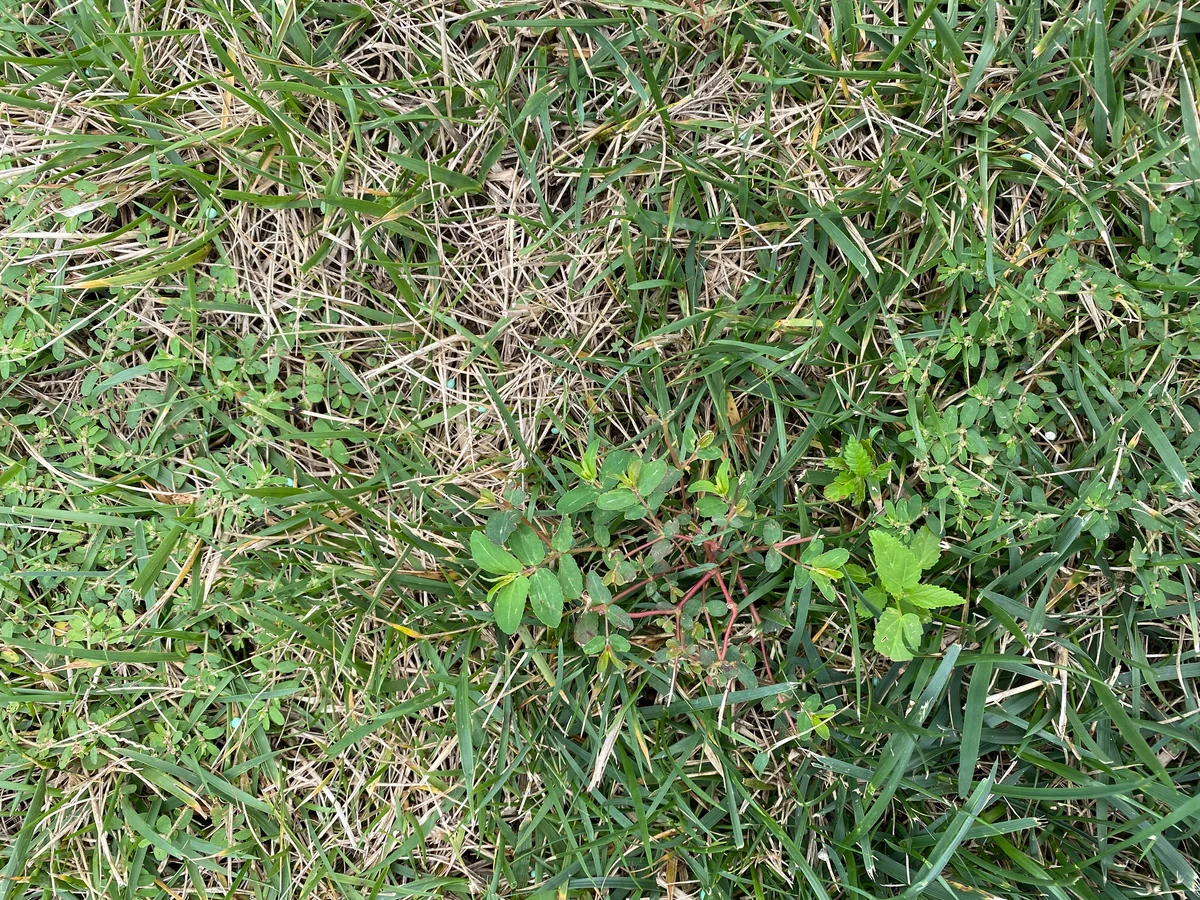
Cool Springs lawns face two distinct weed challenges that need different strategies. In the older, tree-shaded neighborhoods near Crockett Park, wild violets creep in from flowerbeds and stubbornly resist typical sprays. Meanwhile, newer sections around the Mallory Farms area, where construction-grade soils were used, battle aggressive grassy weeds like dallisgrass and common Bermuda that spread from neighboring lots. Most companies treat both scenarios with the same summer rescue spray, which is why you keep seeing the same weeds come back year after year.
Cool Springs Specific Timing
My entire approach is built on a schedule calibrated for this area. I treat for summer weeds, including the nutsedge that plagues irrigated lawns near the Galleria, starting in February and March. That's weeks before most companies even schedule their first visit. Treating early, when weeds are young and the spring temperatures around Cool Springs are still mild, allows me to use safer, lower-rate chemistries. This prevents the burn marks on your fescue that come from aggressive summer sprays. It's about being proactive with historical weather data, not reactive to what you see in June.
The Grassy Weed Problem
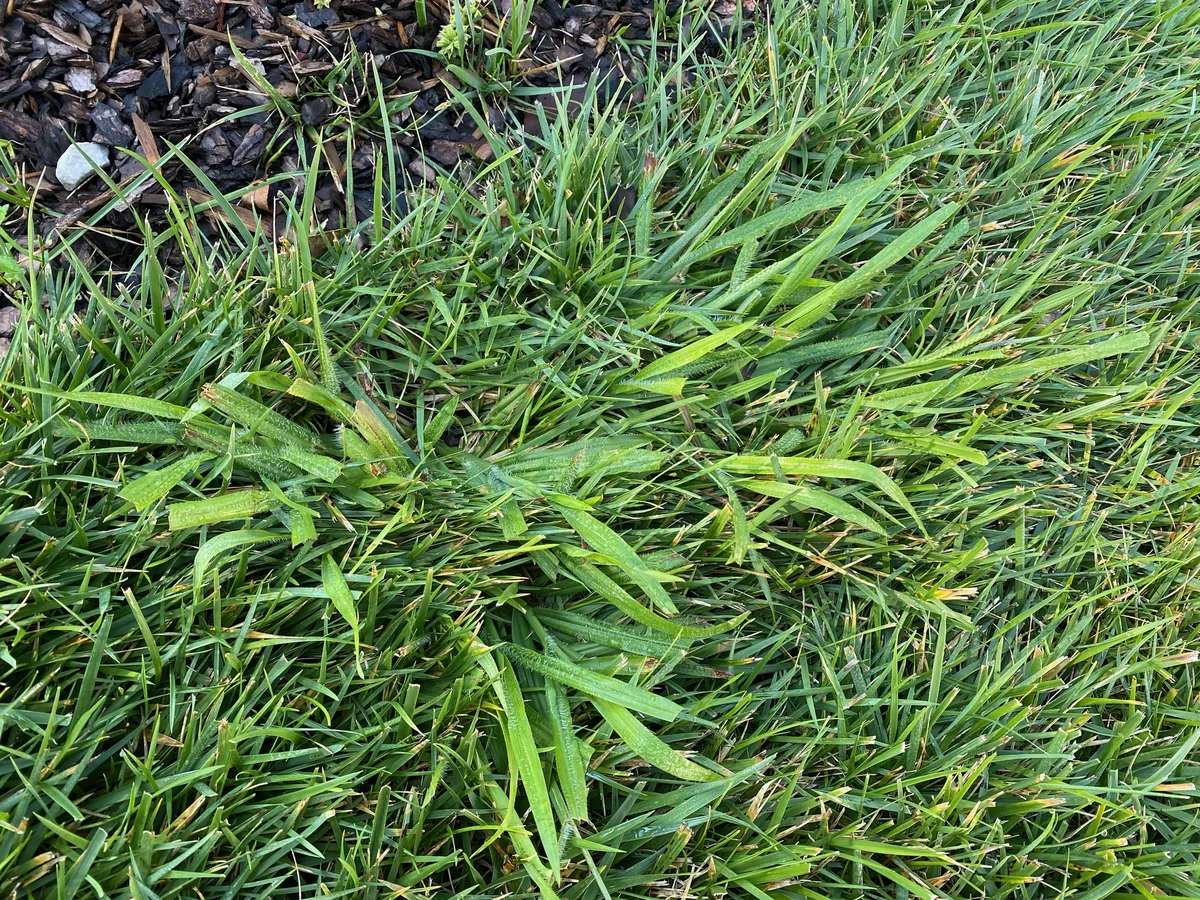
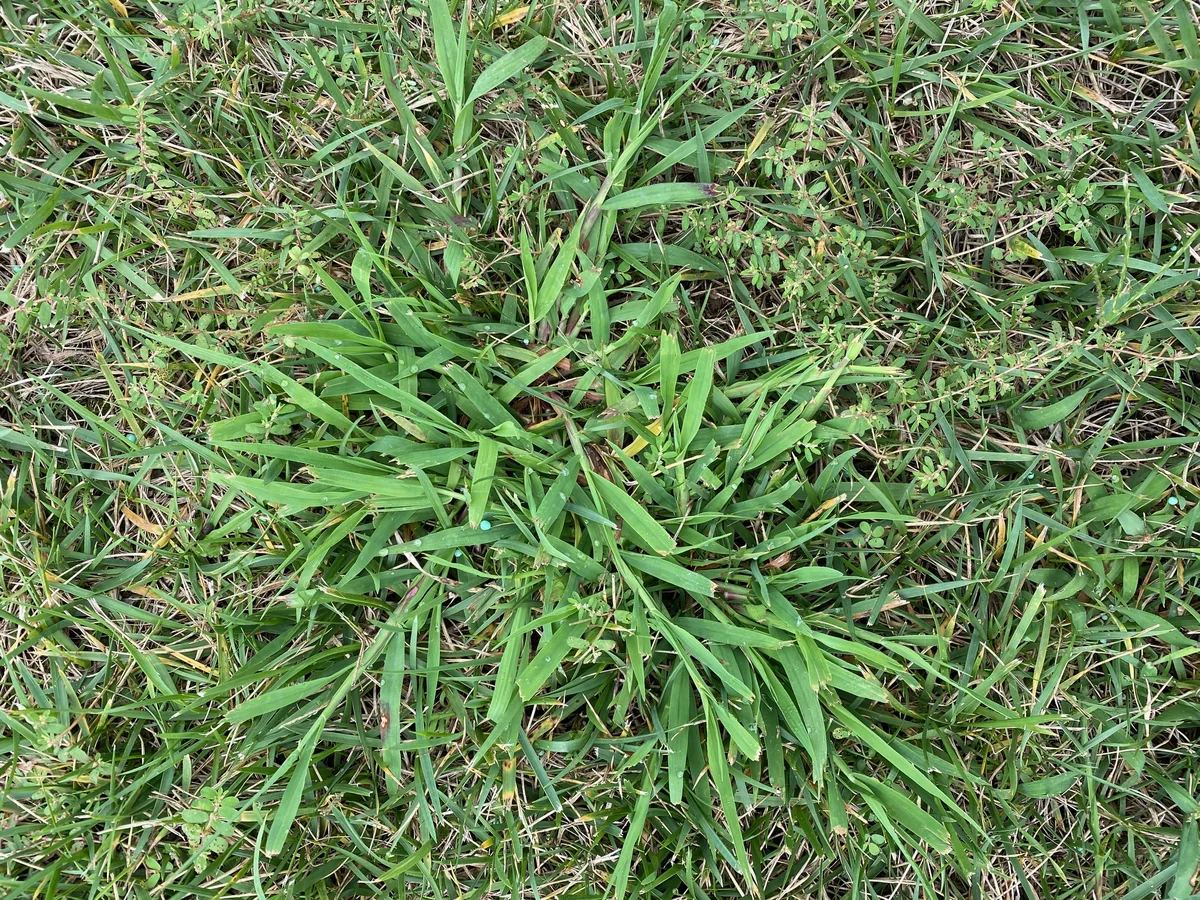
The toughest complaints I get from Cool Springs are about grassy weeds like dallisgrass and common Bermuda. Homeowners often mistake them for crabgrass. The critical thing to understand is that these are perennials; they don't die in winter, they just go dormant. Spraying them in the summer heat only burns the top growth, and they bounce right back. The real control happens when you weaken them in the cool spring as they wake up, and then deliver the knockout punch in the early fall as they store energy for winter. This requires a two-window strategy over 2-3 years, not a one-time summer spray.
Why DIY Sprays Fail Here
The big box store combo products everyone uses contain 2,4-D. The legal maximum is two blanket applications per year, but most homeowners unknowingly apply it four or five times because they buy different products throughout the season. Worse, the residue reactivates with the next morning's dew, which is heavy here off the Harpeth River, making it far more likely to track onto shoes and pet paws for days after. Add in uncalibrated pump sprayers, and you get spotty control, burned grass, and frustrated weekends. My program uses a precise, multi-target chemistry selection in the correct seasonal windows, so you apply less total herbicide and get compounding results.
Why Weed Control Matters in Cool Springs
Middle Tennessee's transition zone climate means your fescue lawn competes with both cool-season and warm-season weeds. Crabgrass, goosegrass, and nutsedge thrive in our hot summers, while henbit, chickweed, and annual bluegrass invade during mild winters. The heavy clay soils throughout Maury and Williamson counties also create thin spots where weeds establish quickly. Our weed control program addresses this full spectrum of weed pressure with seasonally appropriate treatments.