Weed Control for Grassland Homeowners
Grassland folks, I know the frustration. In this crossroads community, where older established lots near the Williamson Creek area meet newer construction, I see two different weed control nightmares. On one side, you're battling perennial weeds like dallisgrass that come in with construction fill, and on the other, you're fighting a losing battle against crabgrass in thin, sun-baked soil. You're tired of wasting money on big-box sprays that just seem to make the problem worse the next year.
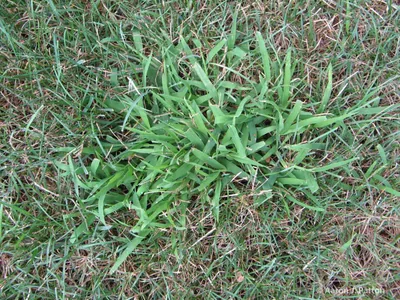
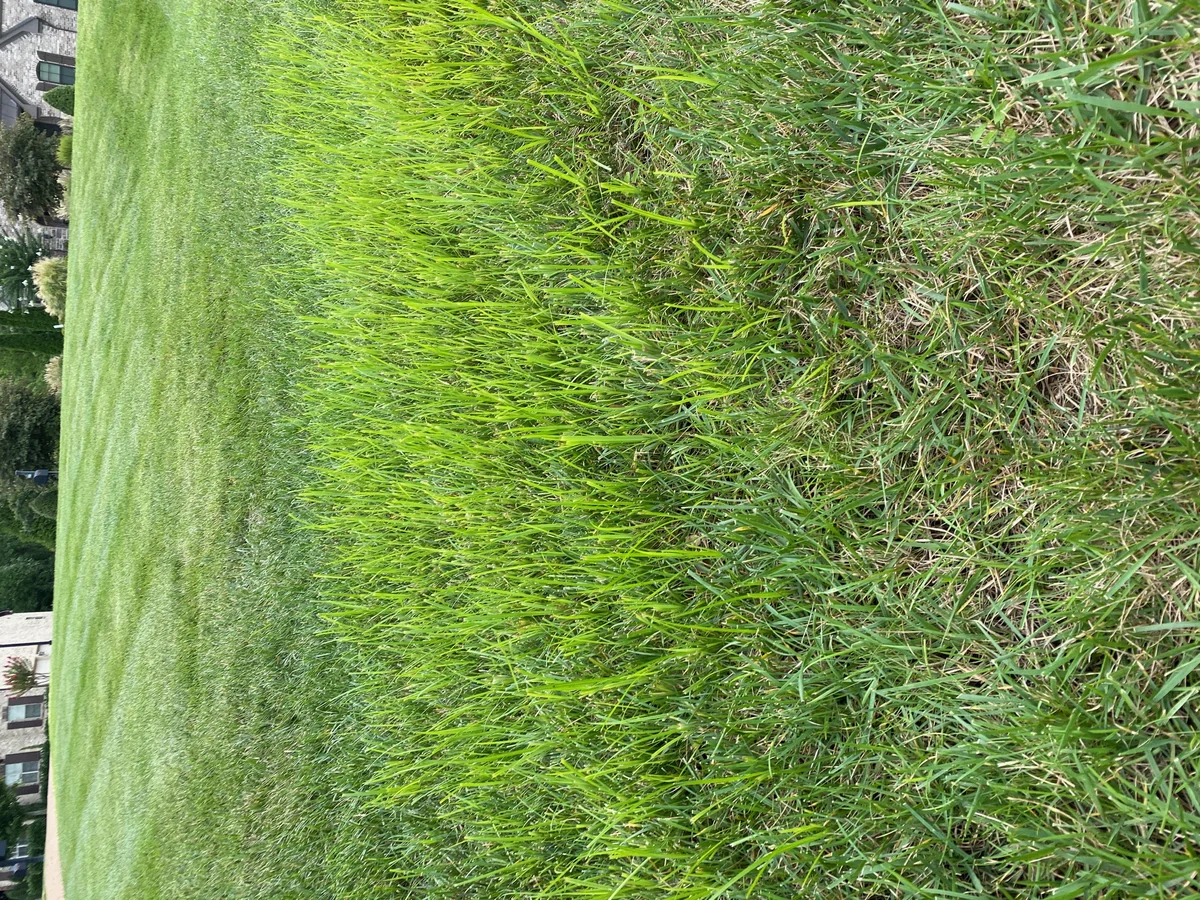
Your weed problem here in Grassland isn't random; it's a direct result of your specific soil and the history of your property. In older neighborhoods, decades of shade from mature trees create thin turf, opening the door for weeds like wild violets and clover. Over near newer builds along Arno Road, the compacted, gravelly subsoil left from construction is a perfect incubator for dallisgrass and crabgrass, which homeowners often mistake for each other. The common thread is a lawn that can't compete. My job isn't just to spray what you see. It's to build a turf so thick and healthy that weeds never get a foothold in the first place, using historical weather data to time applications for maximum effect and safety.
Why Timing Beats Everything
Most companies wait until you see the problem, which around here is often mid-June when dallisgrass hits mowing height. By then, it's too late for real control. I start treating for summer weeds like crabgrass and yellow nutsedge in February and March, based on when soil temperatures historically wake them up in our area. This early timing lets me use safer chemistries at lower rates because the weeds are small and the spring air is cool. It's the difference between a strategic strike and a messy, reactive battle that burns your fescue.
The Hard Truth on Dallisgrass & Johnson Grass
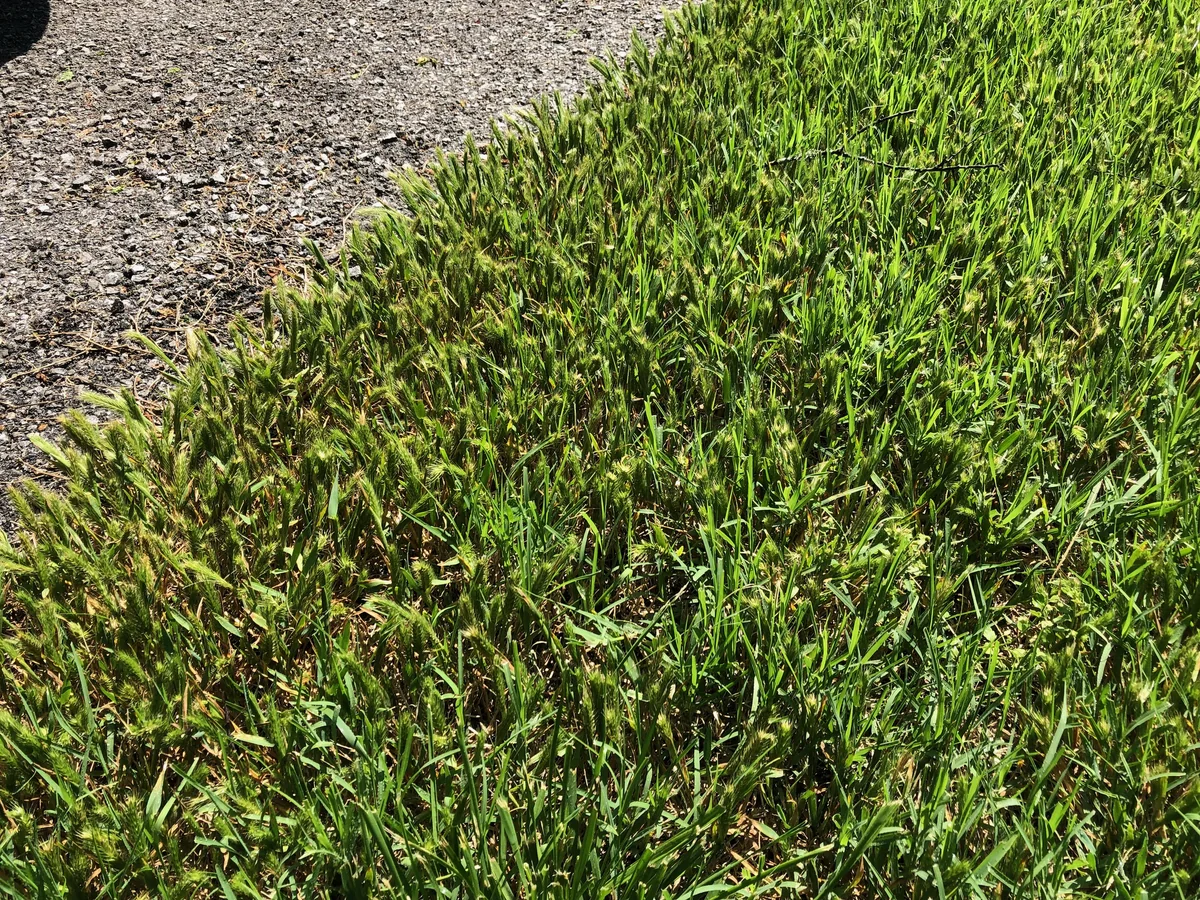
If you're near newer construction, you've likely got dallisgrass or Johnson grass, not crabgrass. These perennials came in with the contractor's straw or cheap seed during the build. They are a multi-year commitment to kill. The mistake is trying to nuke them in the summer heat with a rescue spray. That just burns the top growth and your grass, leaving the root system untouched. My approach uses a spring treatment to weaken them as they spend stored energy, and a critical fall treatment when they pull resources down into the roots for winter. This is the actual kill shot. Do this for 2-3 consecutive years, and you'll eliminate them without leaving dead patches.
Your Lawn's Fiscal Year Starts in September
Everything I do from September forward in Grassland is an investment in your lawn's success next summer. This is when I apply pre-emergent to stop winter annuals like Poa annua and treat perennial weeds in their most vulnerable fall translocation phase. It's also when your fescue roots grow deepest, naturally fighting off weeds. This compounding effect is why a flat-rate monthly plan works. You're not paying for one-off sprays; you're funding a system where each treatment builds on the last. By treating the turf, not just the weed, we build a resilient lawn that can handle the humidity and clay common throughout our area.
Why Weed Control Matters in Grassland
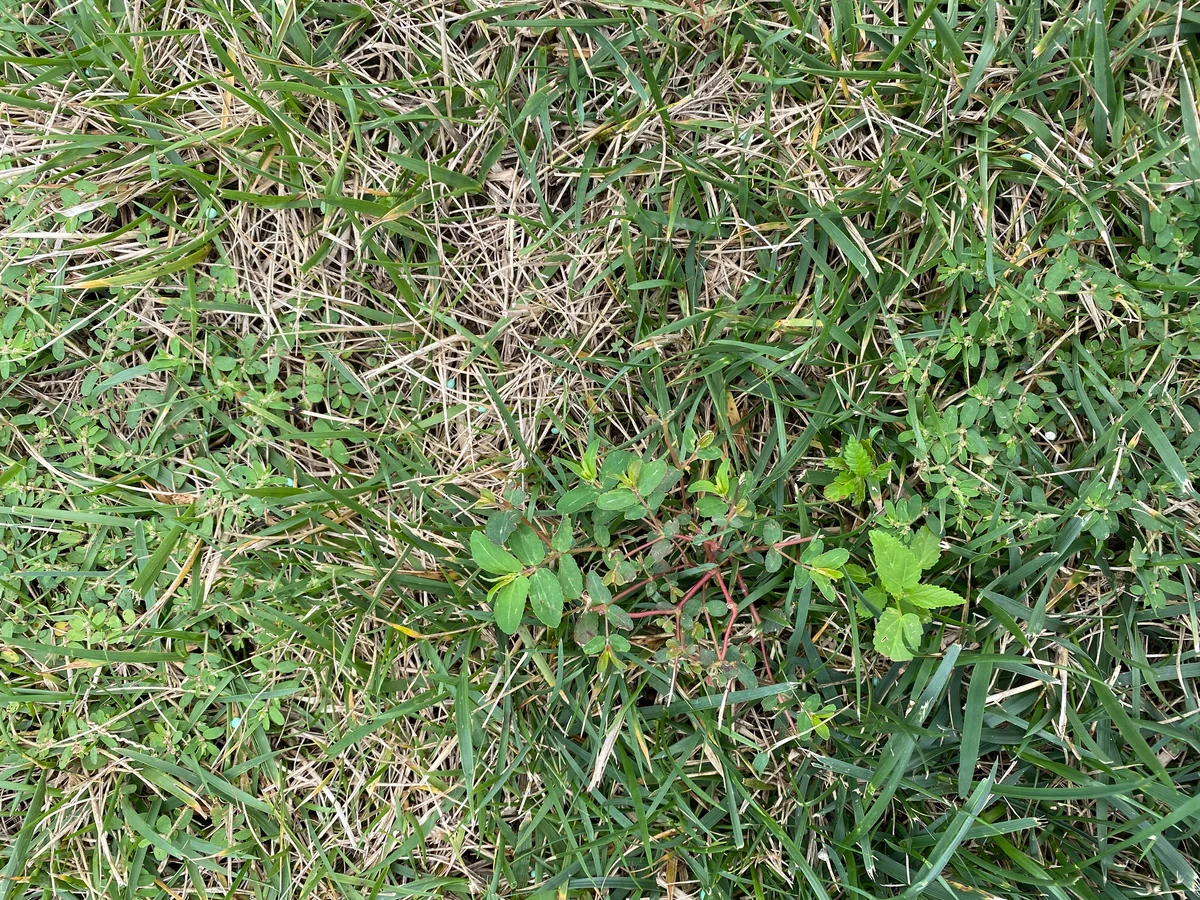
Middle Tennessee's transition zone climate means your fescue lawn competes with both cool-season and warm-season weeds. Crabgrass, goosegrass, and nutsedge thrive in our hot summers, while henbit, chickweed, and annual bluegrass invade during mild winters. The heavy clay soils throughout Maury and Williamson counties also create thin spots where weeds establish quickly. Our weed control program addresses this full spectrum of weed pressure with seasonally appropriate treatments.