Grub & Armyworm Control for Grassland Homeowners
In Grassland, the real lawn care war isn't always on the surface. It’s the unseen white grubs chewing roots in your clay soil and the explosive fall armyworm outbreaks that can strip a yard along Horton Drive bare in a single night. Homeowners here deal with the same heavy humidity and temperature swings that make our area a perfect breeding ground for these destructive pests, often after they’ve already done the damage.
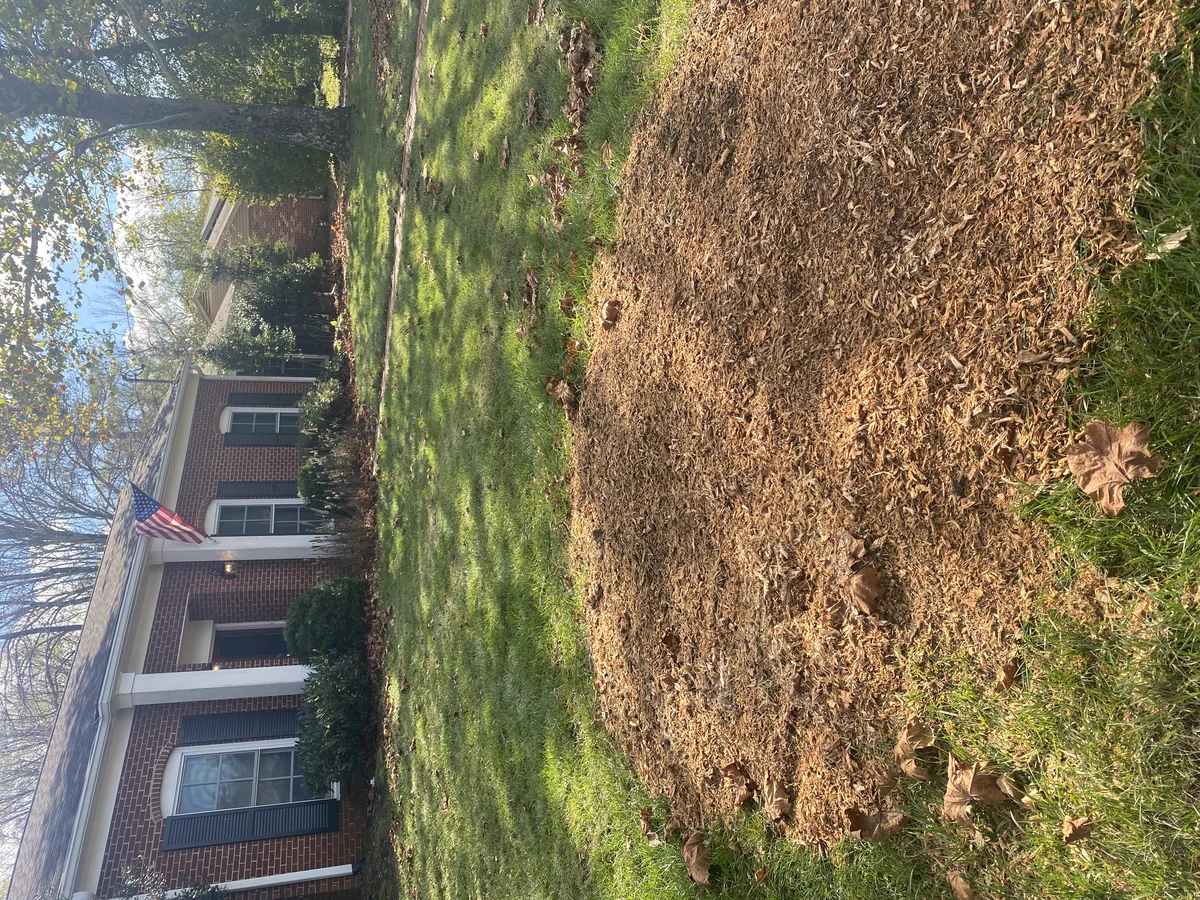
Grassland homeowners know the signs: spongy turf that pulls up like loose carpet, or the sudden appearance of birds and raccoons tearing up the lawn. That’s grub damage, and by the time you see it, it’s often too late for the safest, most effective control. Our standard, preventive grub control is applied before that damage appears, targeting the larval stage of pests like Japanese beetles while they’re vulnerable. This bee-safe chemistry protects the root system all season, so your tall fescue can dedicate its energy to surviving our summer droughts and heat instead of fighting pests. It’s a foundational part of our plan, especially for yards in newer sections where the turf is still establishing against construction-compacted soil.
Armyworm Outbreaks Are Unpredictable
Every few years, conditions align perfectly for a massive fall armyworm migration from the south. When that happens, populations explode. They start along your shrub lines and foundation plantings, and can consume an entire lawn overnight. I’ve seen it where the ground literally looks like it’s moving. In Grassland, with its mix of mature trees and open lawns, these outbreaks can hit hard and fast. The same preventive chemistry we use for grubs also controls these larvae. Because it persists in the grass tissue from the prior year’s application, multi-year customers in neighborhoods like Grassland Estates actually get a compounding layer of protection, making their lawns more resilient when these irregular but devastating events occur.
What It Covers For Your Lawn
The chemistry I use covers any insect that feeds on the grass plant itself. That includes root feeders like white grubs, blade eaters like armyworms and sod webworms, and suckers like chinch bugs. It does not cover ants or ticks, which require separate treatments if needed. The key is its novel, bee-safe mode of action, insects can’t develop resistance to it. For you, this means consistent, long-lasting protection that builds over time. Starting this service in the spring, before the nighttime temps consistently stay above the mid-70s, is critical. That’s when pest lifecycles kick into high gear with our humidity. A single treatment protects through the season and contributes to the following year’s defense, which is a core reason my service focuses on long-term, compounding results rather than quick fixes.