Weed Control for Leipers Fork Homeowners
In Leipers Fork, your lawn isn't just a yard; it's part of your homestead. But those rolling fields and pastures next door are a constant source of weed seeds blowing in, from stubborn dallisgrass to patches of clover. Trying to chase them with a big box sprayer feels like a losing battle every spring and fall.
Out here, where properties stretch back towards the Natchez Trace and border hay fields, your weed problem isn't just about what sprouts in your soil. It's about what blows in from every direction. You see the same things I do on farms and homesteads around Leipers Fork: aggressive grassy weeds like dallisgrass and Johnson grass that hitch a ride on the wind, and broadleafs like clover that can take over a sunny expanse overnight. The scale makes DIY control with a pump sprayer feel futile, and misapplying the wrong product just burns money and damages your fescue.
The Calendar Is Everything
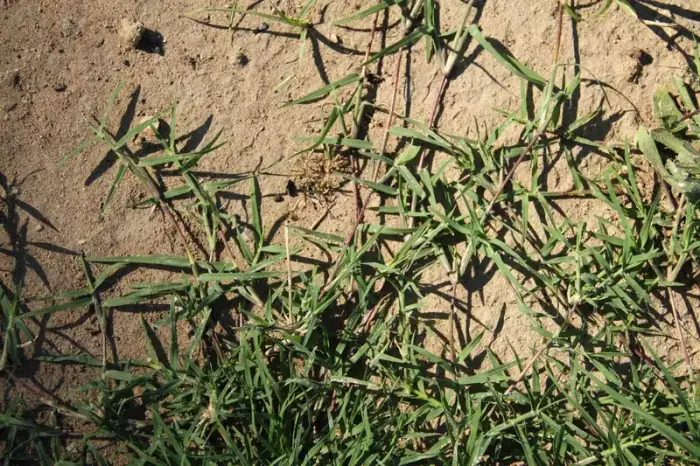
We don't guess. I use historical weather data for our specific area to time treatments precisely. For instance, summer annuals like crabgrass can start germinating in your soil by late February during a warm spell, long before the last frost around April. If I'm not treating by mid-March, they get away from you. This early timing is the key to using safer chemistries at lower rates, which is critical for bee-friendly practices on a homestead. It's not about blanket spraying; it's about a strategic first strike when the weeds are most vulnerable, protecting the pollinator habitats you value.
The Hard Truth on Grassy Weeds
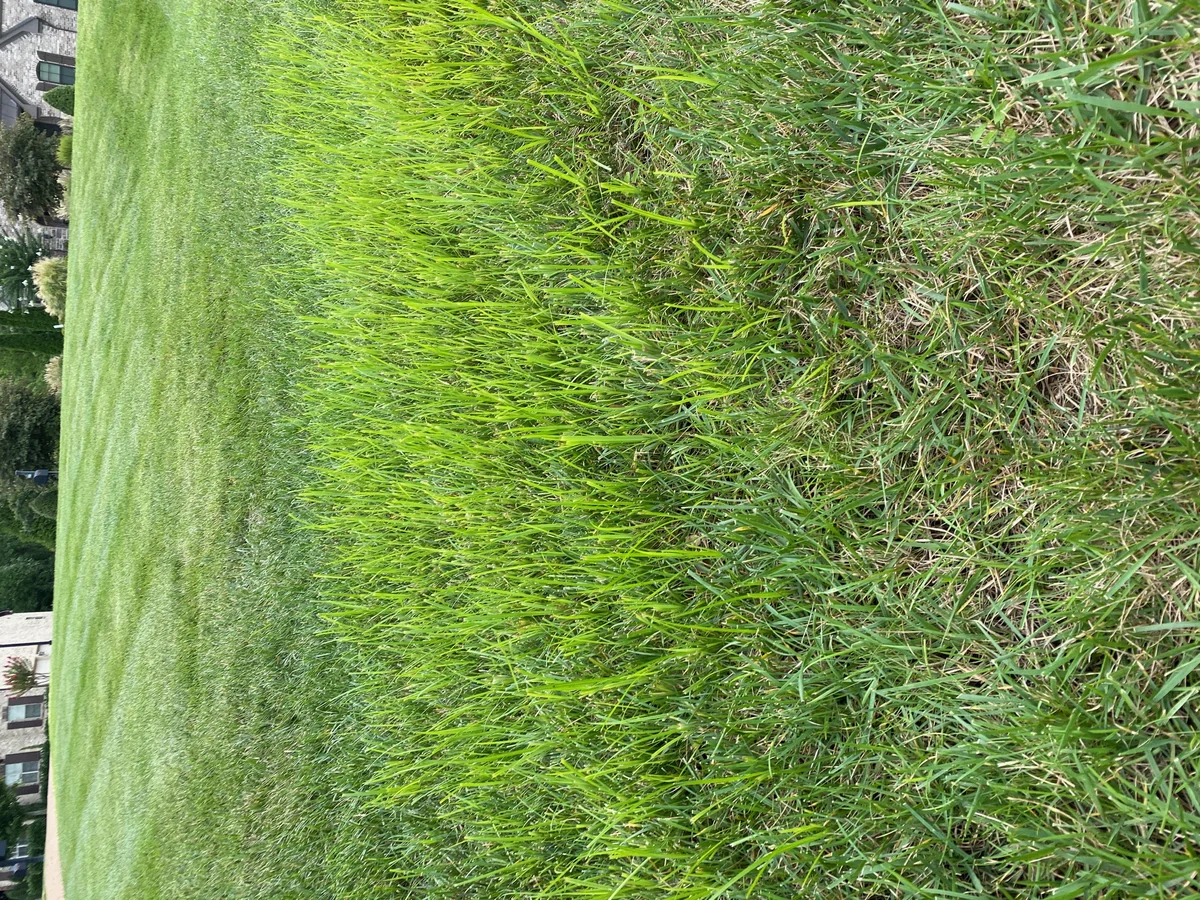
The biggest complaint I hear from folks along Hillsboro Road or Old Hillsboro Road is about "crabgrass." Usually, it's actually perennial dallisgrass or Johnson grass. These are a different beast. They're in the same grass family as your tall fescue, so selective control is extremely limited. You can't just spray them away in summer without harming your lawn. The real fight happens in spring and fall. A spring application weakens them as they wake up, and a fall treatment is the kill shot, as the weed pulls herbicide down into its roots to store for winter. This two-window approach, repeated for 2-3 years, is how we beat them without resorting to scorched-earth tactics.
Why Your DIY Spray Fails
The most common mistake I see is homeowners unknowingly over-applying 2,4-D. It's in almost every big box weed killer. The legal limit is two full applications per year, but by using different products throughout the season, you can easily apply it four or five times. Worse, after you spray, the next morning's dew reactivates the chemical residue for days, making it far more likely to track onto shoes, pet paws, and kids. My calibrated equipment and planned chemistry rotation prevent this. You get a multi-target approach that handles a dozen weed types in one pass, like clover, dandelion, and plantain, without overloading your lawn or your homestead with unnecessary chemicals.
Why Weed Control Matters in Leipers Fork
Middle Tennessee's transition zone climate means your fescue lawn competes with both cool-season and warm-season weeds. Crabgrass, goosegrass, and nutsedge thrive in our hot summers, while henbit, chickweed, and annual bluegrass invade during mild winters. The heavy clay soils throughout Maury and Williamson counties also create thin spots where weeds establish quickly. Our weed control program addresses this full spectrum of weed pressure with seasonally appropriate treatments.