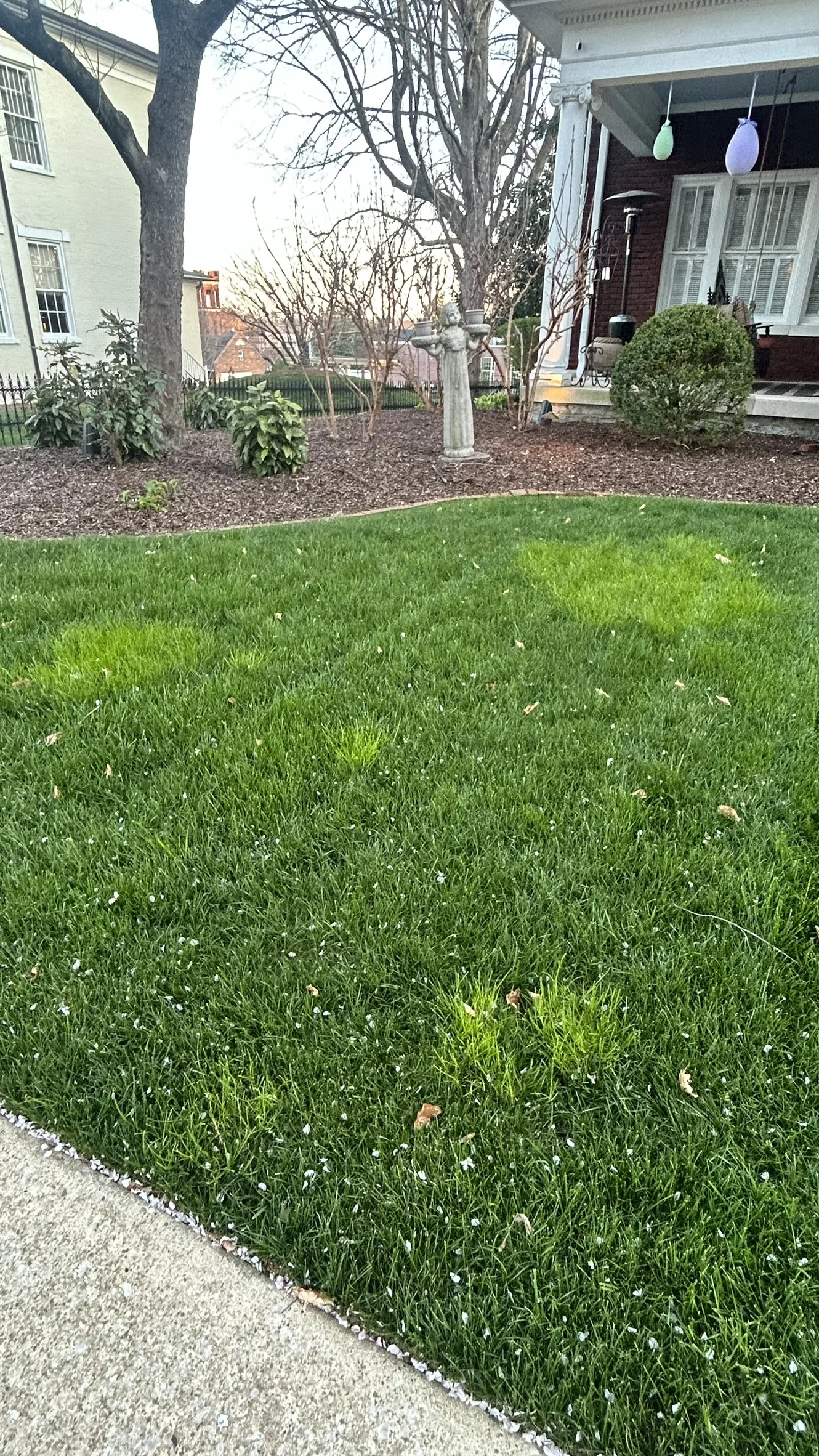
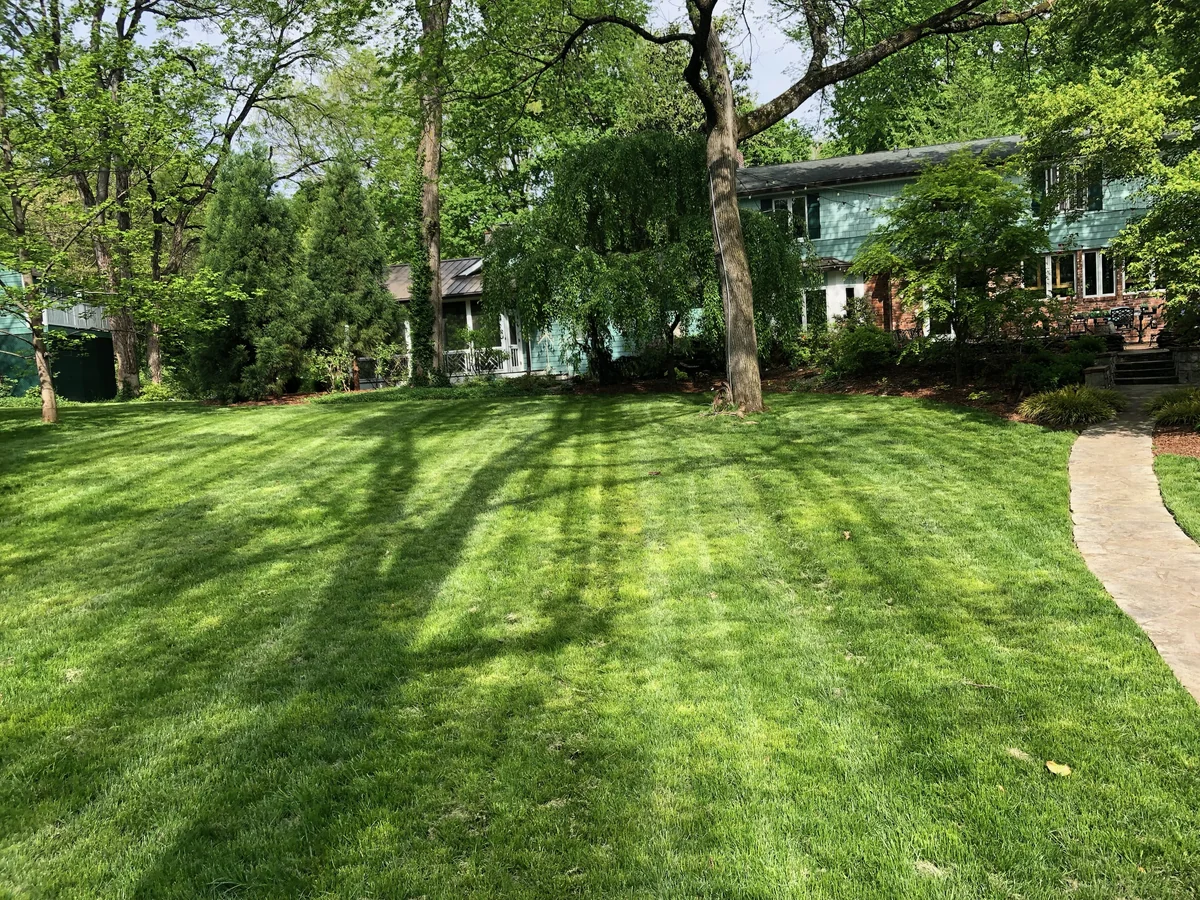
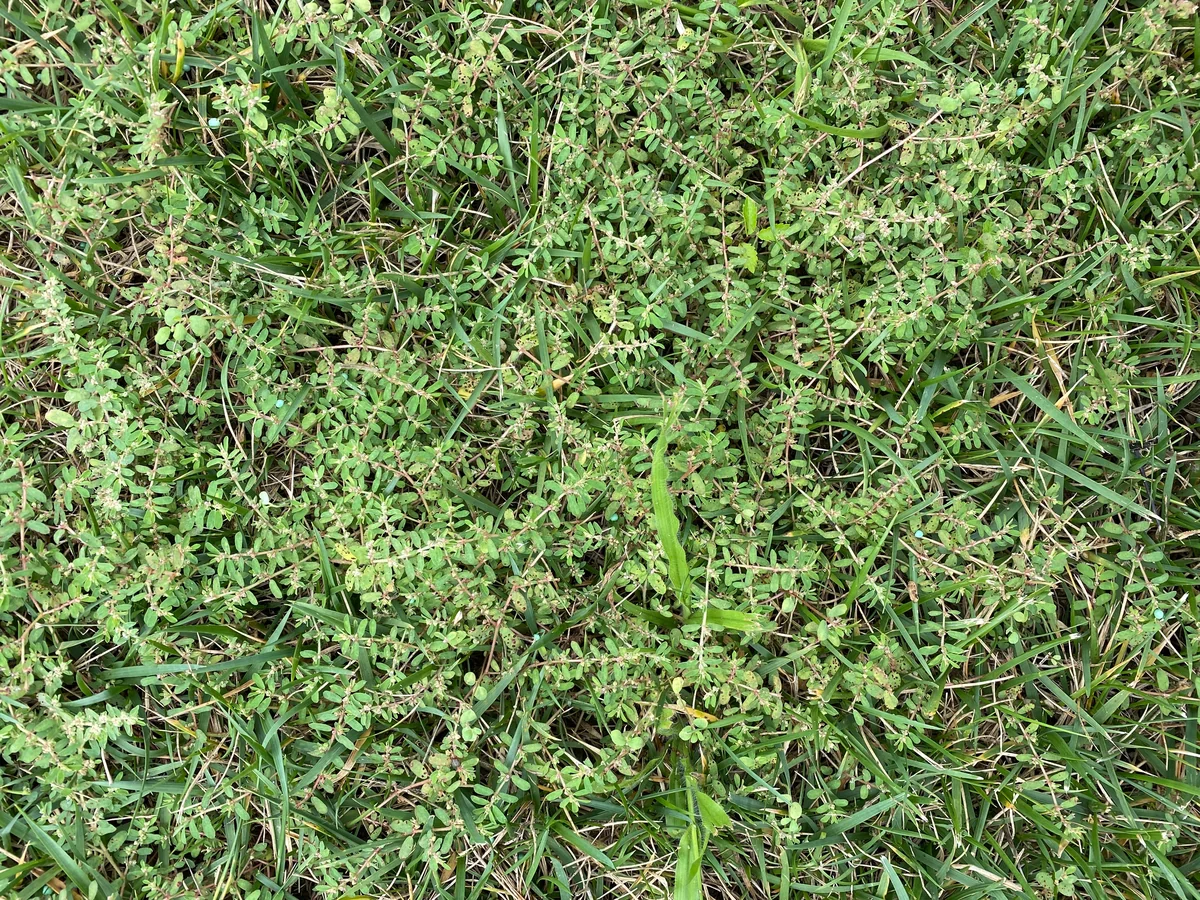
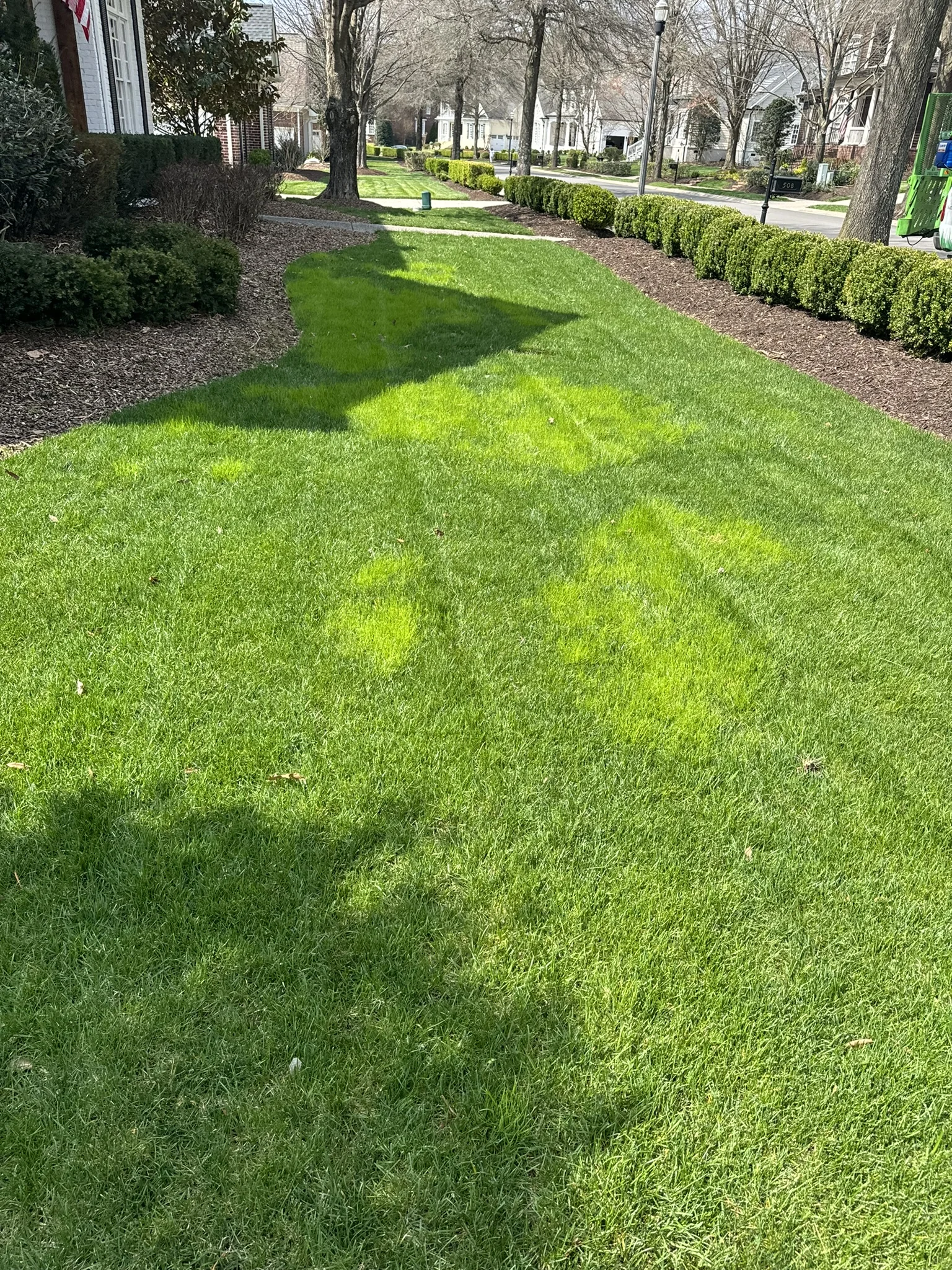
In Fairview, your weed problem is often a symptom of your property's history. If you're near the wooded areas of Bowie Nature Park or in established neighborhoods, you're likely battling shade-loving perennials like wild violets and ground ivy that thrive in the damp, cool soil. Over on the newer construction side, off Highway 100 or near the I-840 corridor, the issue is usually gravel-filled, compacted subsoil that gives summer invaders like dallisgrass and common Bermuda the perfect place to take hold. These aren't one-spray fixes. They're perennials with deep root systems, and trying to kill them in the summer when you see them is a complete waste of money and only burns your fescue.
The Spring & Fall Two-Step
My strategy for Fairview's tough perennials is built on their lifecycle, not the calendar. For weeds like wild violets and dallisgrass, I make two critical passes per year. The first is in early spring, around late March, when the weed is using its stored energy to wake up. Hitting it then weakens it. The real kill shot comes in the fall, September through even December here. That’s when the plant is pulling resources down into its roots for winter, and the herbicide gets carried down with it. Summer sprays are just for cosmetic suppression. If you’ve been trying to battle these weeds in June and July with no success, you weren’t using bad chemistry. You were using it at the wrong time.
Stopping Problems Before They Start
The best defense against most annual weeds, from chickweed to crabgrass, is a simple, two-part pre-emergent schedule. I apply the first round in late winter, protecting your lawn through the summer. The second goes down in early fall, which is critical for controlling Poa annua and winter annuals. This year-round barrier means we rarely need rescue sprays later. More importantly, for those newer Fairview properties dealing with dallisgrass from contaminated straw, this pre-emergent is a non-negotiable first line of defense to keep new seeds from ever taking root while we work on the existing perennial problem over a 2-3 year plan.
This approach works because it’s built on timing, not just chemicals. I use historical weather data for our area to know exactly when soil temps trigger weed germination, so we apply pre-emergent just before that window opens. For post-emergent sprays on perennials, I pick days in the spring and fall when temperatures are in the safe zone for the specific chemistry needed. This prevents the tip burn on your fescue that happens when volatile products are applied in our unexpected September heat. You get one standard of care, which includes necessary fungicides, because a stressed lawn is a weedy lawn. My goal is to build your fescue into such a thick, healthy competitor that it simply doesn’t leave room for weeds to start.
Why Weed Control Matters in Fairview
Middle Tennessee's transition zone climate means your fescue lawn competes with both cool-season and warm-season weeds. Crabgrass, goosegrass, and nutsedge thrive in our hot summers, while henbit, chickweed, and annual bluegrass invade during mild winters. The heavy clay soils throughout Maury and Williamson counties also create thin spots where weeds establish quickly. Our weed control program addresses this full spectrum of weed pressure with seasonally appropriate treatments.