Overseeding for Fairview Homeowners
In Fairview, trying to thicken your lawn can feel futile. Between the shade from those big trees in Bowie Nature Park and the summer heat that lingers well past sunset, your seed just seems to give up before it ever takes root. Most overseeding here ends up being a waste of time and money because the seed never actually gets to the soil.
You know the routine. You buy a bag of cheap seed from the store, throw it on your thin spots, maybe even roll it in, and hope. Then you watch as most of it just sits there, baking on the surface. Whether you're on a newer lot near Old Hillsboro Road dealing with gravelly subsoil or in an older neighborhood like Wynnwood Estates fighting tree roots, the outcome is the same. Seed that doesn't touch soil is dead seed. That's why I don't just sell overseeding; I sell core aeration with seeding. The aeration is simply the tool that guarantees the seed gets into the ground. For Fairview lawns, that's the difference between a failed project and a thick, resilient stand of grass that can handle next summer's humidity.
The "Contractor Seed" Trap in Fairview
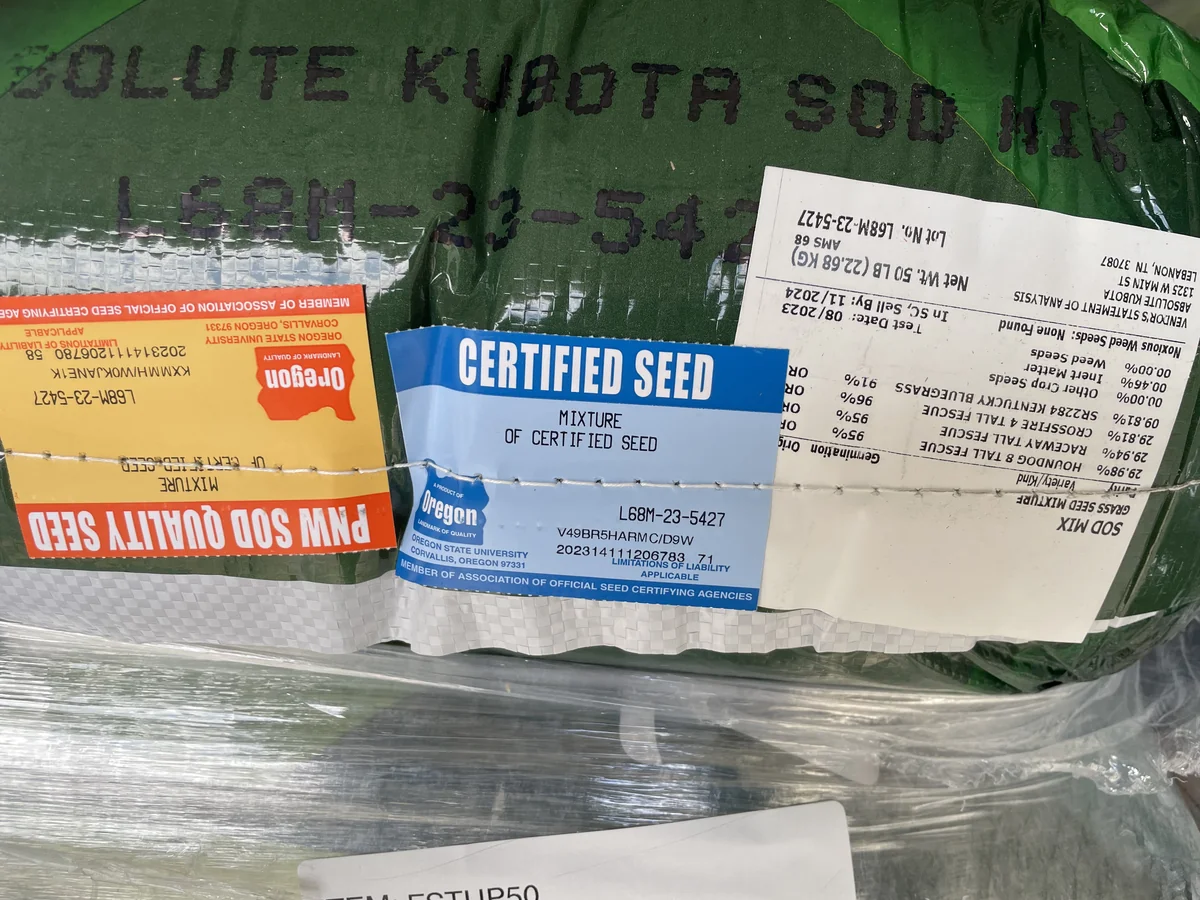
If your home was built in the last few years, especially in newer developments, there's a good chance your lawn started with the worst seed possible. Builders use what's called a contractor mix, which is often cheap tall fescue like Kentucky 31 blended with annual ryegrass. It's designed to look green for the final walkthrough, not to last. That seed is notoriously contaminated with weeds like dallisgrass and Johnson grass. Those weeds are the ones you're likely fighting right now. My approach is the opposite. I build my own seed blend each year using only the top-performing varieties from university research trials for our area. It's a mix of specific fescues for summer heat and a touch of Kentucky bluegrass to help the lawn self-repair divots and resist disease. You get Sod Quality Certified seed, the highest lab-tested grade with zero tolerance for noxious weeds.
Timing Is Everything on I-40
Around here, everyone thinks October is the time to seed. That's too late. By the time the seed germinates, you've missed weeks of prime growing weather. I schedule most Fairview overseeding for late August through September. The seed goes down, uses its own stored energy to sprout, and by the time it needs perfect conditions, the favorable fall weather has arrived. This is critical for establishing a lawn that will survive next summer. My process is efficient. I aerate in a precise 45-degree diamond pattern for maximum soil contact, then use a metered drop seeder that places the seed directly into the holes. This prevents waste and gives you uniform germination, whether you're working with a large estate property or a modest backyard near the park.
Why Overseeding Matters in Fairview
Middle Tennessee sits in the transition zone where both cool-season and warm-season grasses struggle. Fescue is the best choice for the region, but it requires annual overseeding to maintain density because it does not spread laterally like bermuda or zoysia. The summer heat stress common in the I-65 corridor thins fescue lawns every year, making fall overseeding an essential annual maintenance practice.
Fairview Neighborhoods We Serve
We provide lawn overseeding & seeding to all Fairview neighborhoods, including:
Adams PreserveAden WoodsAshlynAudubon CoveBelvoirBowie MeadowsBrush CreekCastleberry FarmCedarcrestClearview MeadowsCox RunCuritiba PlateauDeka RanchFernvale Fishing ClubGlen Haven+28 more