Weed Control for Bellevue Homeowners
If you’re seeing clover take over your lawn in Bellevue’s older neighborhoods like River Plantation, or battling dallisgrass in the newer sections near Harpeth River View, you know weed control here isn't simple. You're dealing with a mix of shady, tree-lined lots and sun-baked new construction soil, and generic solutions fail. I treat these specific problems every day across Bellevue, and my approach starts with understanding your yard's unique history.
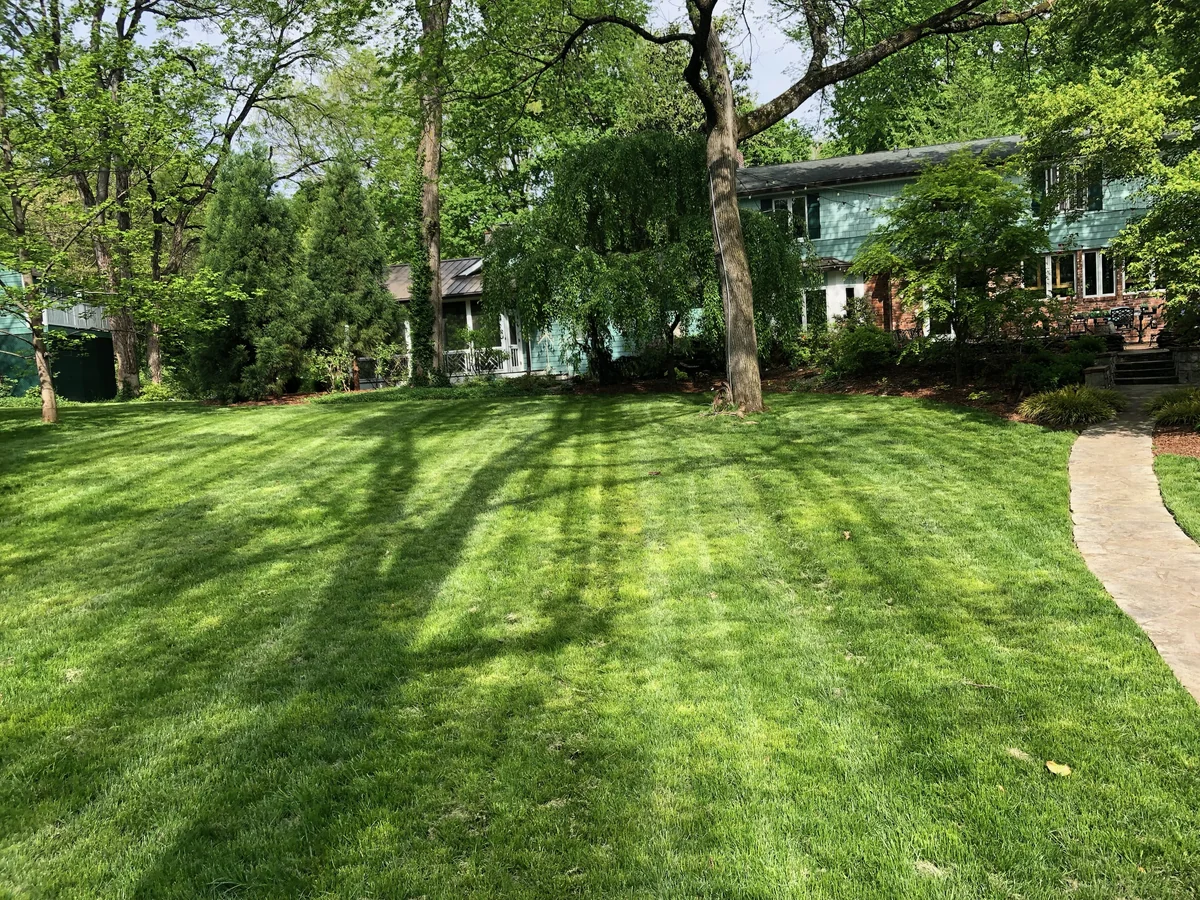
Weed problems in Bellevue tell a story about your property. In established areas near Edwin Warner Park, mature trees create shade and moisture that favor wild violets and ground ivy, weeds that most companies spray in summer when it's too hot to do real damage. In newer developments, the construction-grade soil and straw used during seeding often introduce perennial grassy weeds like dallisgrass and Johnson grass, which homeowners mistakenly call crabgrass. These aren't annuals you can stop with one spray; they’ve been there since the lawn was first put down, waiting for the right conditions to become visible. My job is to read that story and apply the correct strategy from day one, which is why I start with historical weather data for our area to time applications perfectly, not when you finally see the problem.
The Grassy Weed Challenge
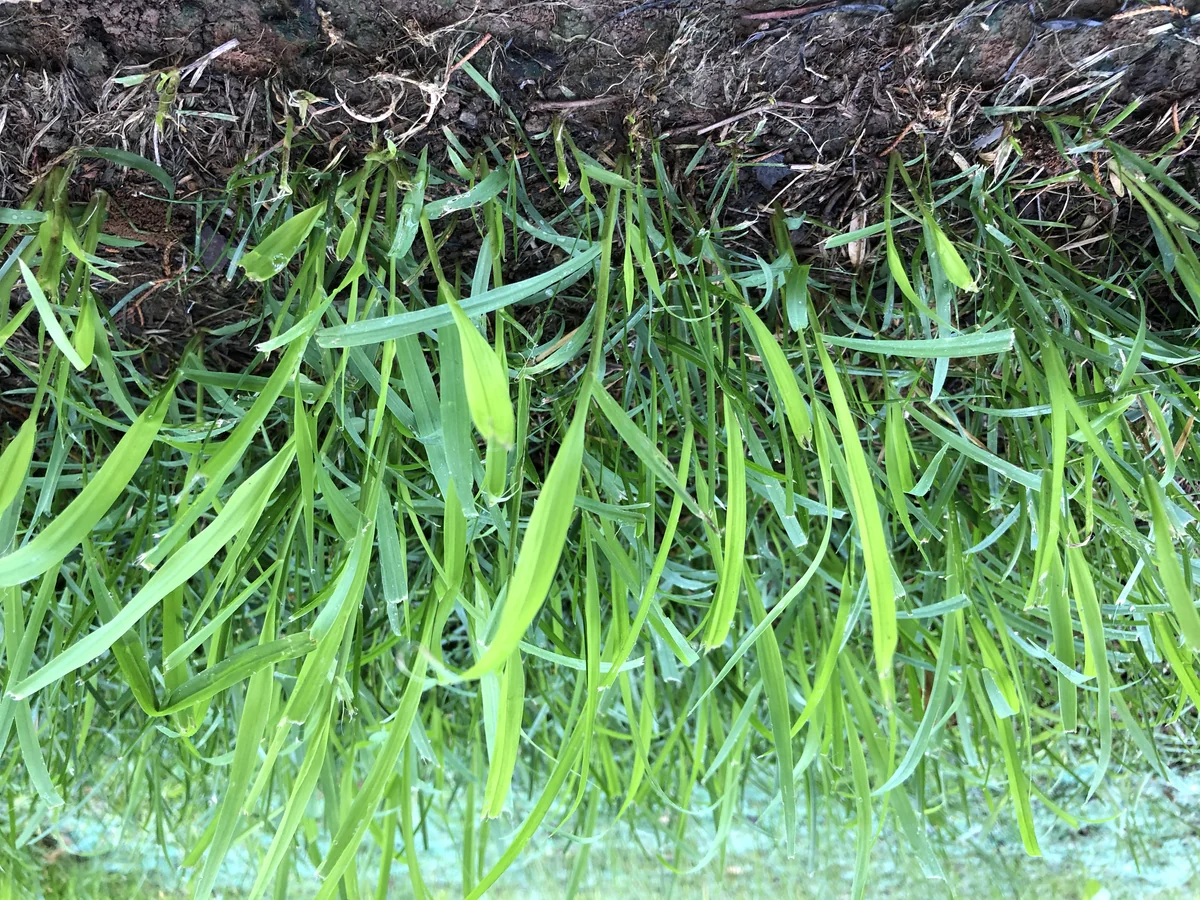
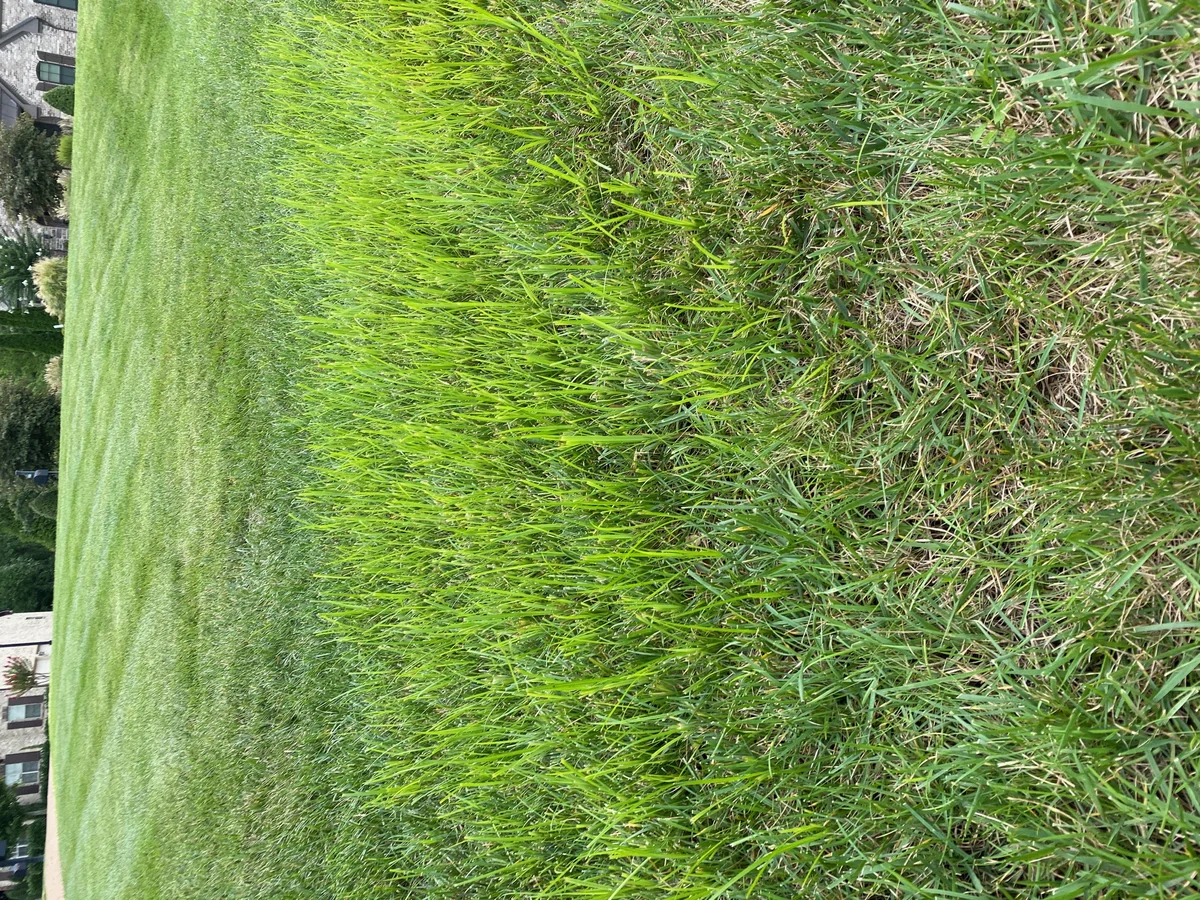
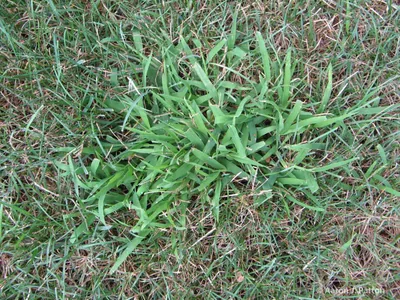
The toughest weeds here are the grassy ones, like dallisgrass, because they're in the same plant family as your tall fescue. This means very few herbicides can tell them apart without harming your lawn. That's why spraying them in summer when they're tall and tough is a losing battle. My strategy is built on prevention and competition. I apply a precise pre-emergent schedule, starting by March 15th, to stop them before they start. More importantly, I focus on building a thick, healthy fescue canopy that simply outcompetes them. In Bellevue’s variable soils, from the clay pockets in Twin Rivers to the gravelly spots in new builds, this requires calibrated nutrition and stress management included in your plan.
Perennials Need a Two-Window Plan
For perennial weeds like wild violets or Virginia buttonweed, which I see in Bellevue's older, shaded lots, summer spraying is cosmetic at best. These plants hibernate like bears. The real control happens in the cool windows of spring and fall. In spring, I hit them as they wake up and spend their stored energy, weakening them. Then, in late summer or early fall, often around the time the Harpeth River levels start to change, I apply the treatments that get transported down to their roots as they prepare for dormancy. This is the actual kill shot. It’s a multi-year process, but doing it right means no burnt lawn from volatile summer sprays and no holes from glyphosate.
Why Your DIY Efforts Fail
Homeowners here often make two critical mistakes. First, they use multiple store-bought products throughout the year, not realizing they all contain 2,4-D, quickly exceeding the safe annual limit. Second, they apply without calibration; a pump sprayer without a gauge or a spreader set to bag rates doesn't account for your walking speed. The residue from these misapplications can reactivate with the next morning's heavy dew, common in our river valley, and track onto shoes and pet paws for days. I use calibrated equipment and select chemistries that handle multiple target weeds in one pass, which means fewer chemical events on your lawn, safer for your family, and actually effective.
Why Weed Control Matters in Bellevue
Middle Tennessee's transition zone climate means your fescue lawn competes with both cool-season and warm-season weeds. Crabgrass, goosegrass, and nutsedge thrive in our hot summers, while henbit, chickweed, and annual bluegrass invade during mild winters. The heavy clay soils throughout Maury and Williamson counties also create thin spots where weeds establish quickly. Our weed control program addresses this full spectrum of weed pressure with seasonally appropriate treatments.