Weed Control for Thompson's Station Homeowners
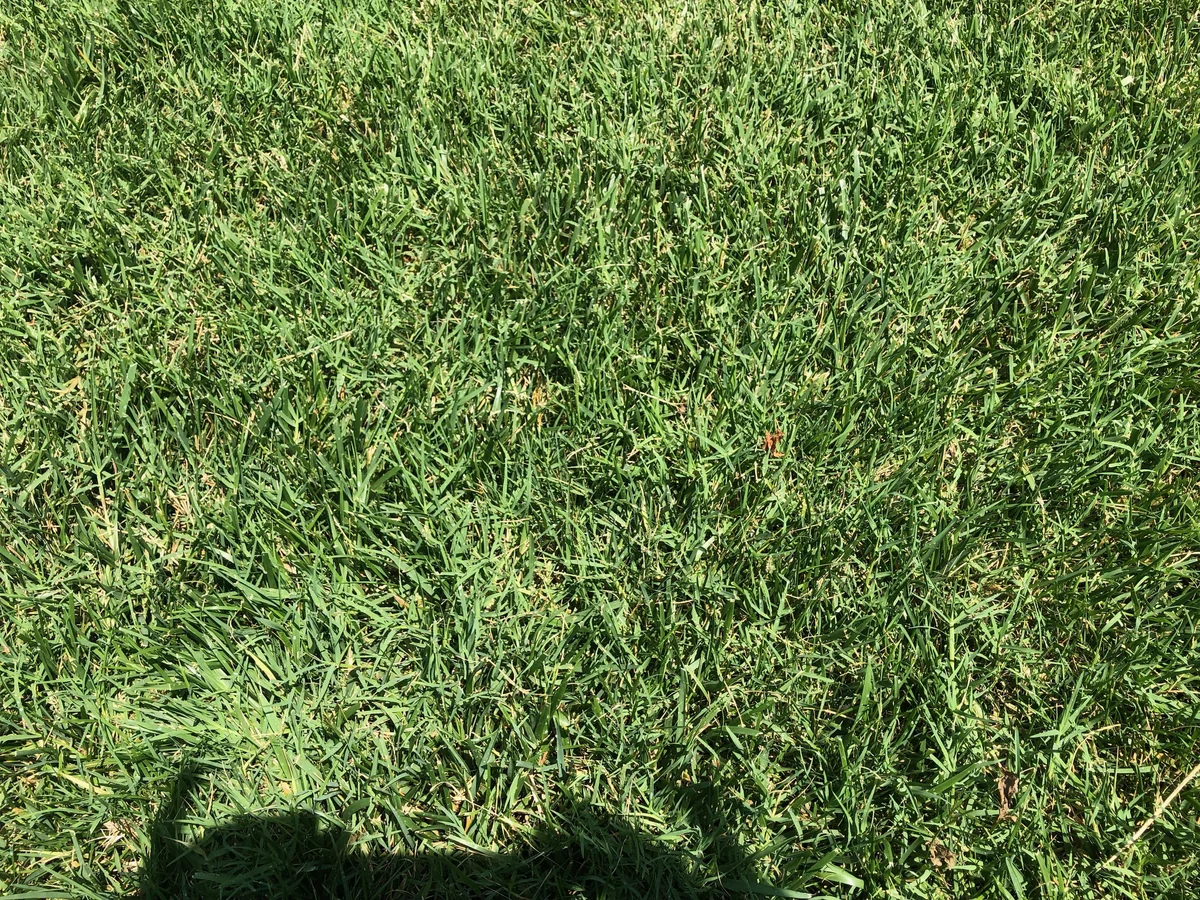
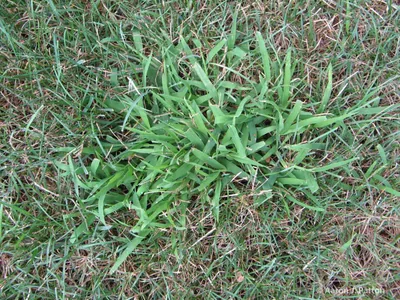
If you're a homeowner in Thompson's Station seeing strange patches that look thicker and faster-growing than your fescue along your driveway or new construction boulevard strip, you're not imagining things. That's likely dallisgrass or common bermuda, perennial weeds that thrive in the hot, shallow, gravel-mixed soils common in newer neighborhoods. Most DIY sprays and even many local companies fail because they treat them like an easy summer annual, and that approach just doesn't work here.
I drive through your neighborhoods, from The Meadows to the newer sections near Clayton Arnold Road, and I see the same patterns. Builders leave a legacy of gravel mixed into the topsoil and compacted clay, creating perfect, hot conditions for tough perennial weeds like dallisgrass and Johnson grass to take hold. Homeowners often call it "crabgrass," but it's a different beast entirely. These weeds arrive hidden in construction straw or cheap seed blends, then explode in their second summer when the fescue struggles in the heat. By the time you see them at a mowable height in June, the window for effective control has already passed. Most companies will spray them then, but that only burns the top growth. It doesn't kill the root system, so the weed comes back stronger next year.
Why Summer Sprays Fail Here
The critical mistake is waiting until summer. When temperatures soar along the I-65 corridor and your shallow soil heats up, perennial weeds like dallisgrass and common bermuda are at peak growth. Spraying them with aggressive chemistry in that heat risks burning your fescue and only does cosmetic damage. The weed simply regrows from its root reserves. The real control happens when you weaken the plant as it's expending energy in early spring, and then deliver the kill shot in early fall when it's pulling resources down into its roots to prepare for winter. This spring-and-fall strategy is the only way to actually reduce the weed population year after year without resorting to glyphosate and leaving dead patches.
A Local Strategy for Your Soil
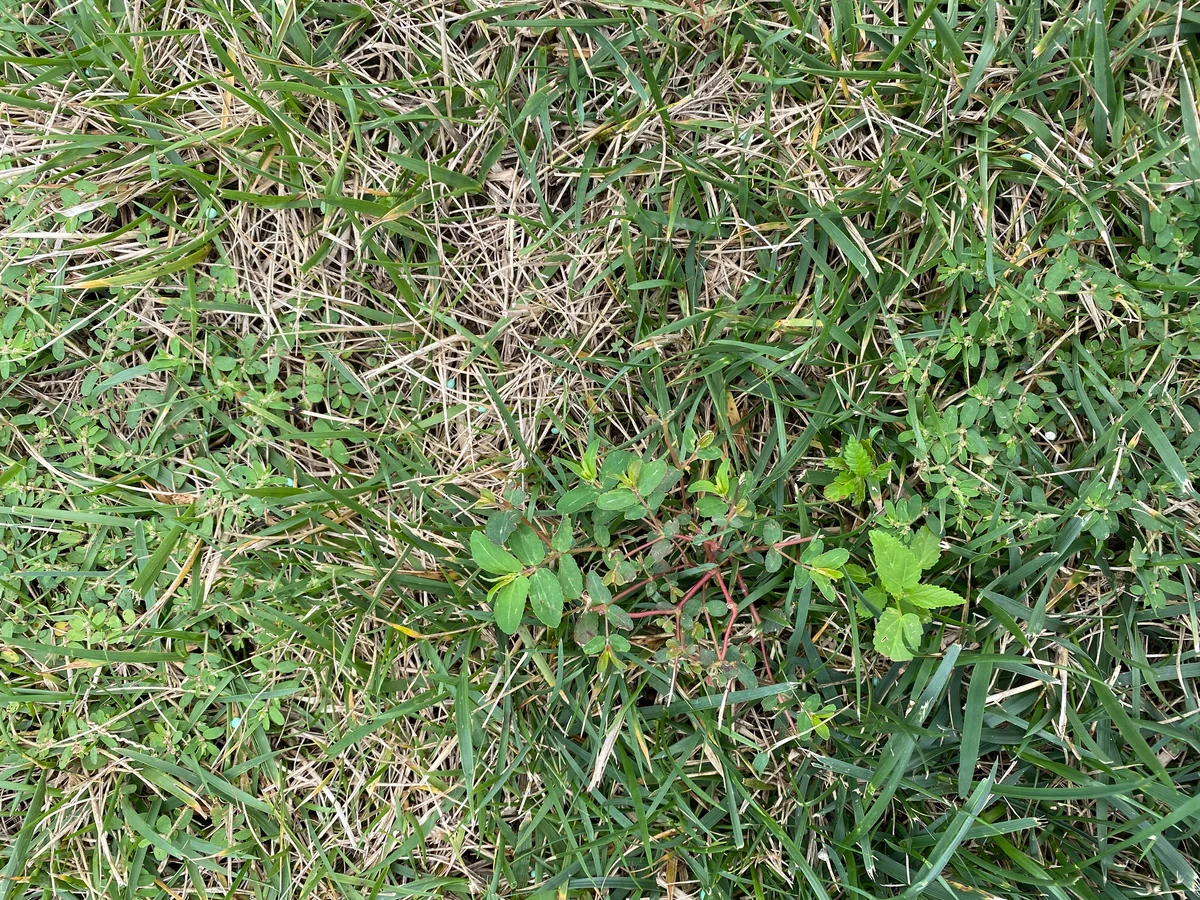
My program for Thompson's Station starts with understanding your specific conditions. For the compacted, gravelly soils in newer subdivisions, I use a multi-target approach applied early, often starting my first treatments in March. This hits weeds like yellow nutsedge and clover when they're young and vulnerable, allowing me to use safer chemistries at lower rates. For the perennial problems, I plan a multi-year attack. We weaken them in spring, suppress them for aesthetics in summer, and hammer them in the fall. Over two to three consecutive years of this cycle, combined with practices that encourage your fescue to outcompete, we can eliminate these weeds without burning holes in your yard. It’s a commitment, but it’s the only method that works on the difficult perennials that plague our newer construction areas.
Why Weed Control Matters in Thompson's Station
Middle Tennessee's transition zone climate means your fescue lawn competes with both cool-season and warm-season weeds. Crabgrass, goosegrass, and nutsedge thrive in our hot summers, while henbit, chickweed, and annual bluegrass invade during mild winters. The heavy clay soils throughout Maury and Williamson counties also create thin spots where weeds establish quickly. Our weed control program addresses this full spectrum of weed pressure with seasonally appropriate treatments.