Aeration for Thompson's Station Homeowners
If you're seeding a lawn in a newer Thompson's Station neighborhood like West Harpeth Farms or Carothers Crossing, you're fighting more than just the usual clay. You're dealing with construction leftovers. Gravel and shallow soil from the grading process cook your fescue roots all summer, and cheap straw full of weed seeds sabotages your fresh investment before it even starts. My core aeration and seeding service is designed specifically for that battle.
Your biggest issue in newer parts of Thompson's Station isn't just soil compaction, it's that the soil profile is a mess from construction. Along boulevard strips and near driveways, you've got shallow, hot soil mixed with gravel that prevents deep rooting. That's why your fescue turns to toast every June and July, no matter how much you water. My service doesn't just punch holes. I aerate to create a direct conduit for new, high-quality seed to reach the soil beneath all that junk, establishing a root system that can actually survive our summers.
Why I Aerate With Seeding
I don't offer core aeration as a magic fix on its own. Around the Station Park area, I've seen lawns where aeration alone in spring gave a nice green-up for a few weeks, but did nothing for July's heat. The only way aeration changes your lawn months later is if I pair it with seeding. I use the aeration holes as a guaranteed delivery system for premium seed, ensuring it gets past the surface debris and gravel for real soil contact. This eliminates the gamble of spotty germination, which is critical when you're trying to build a lawn from shallow, compromised soil.
The Seed Is Everything Here
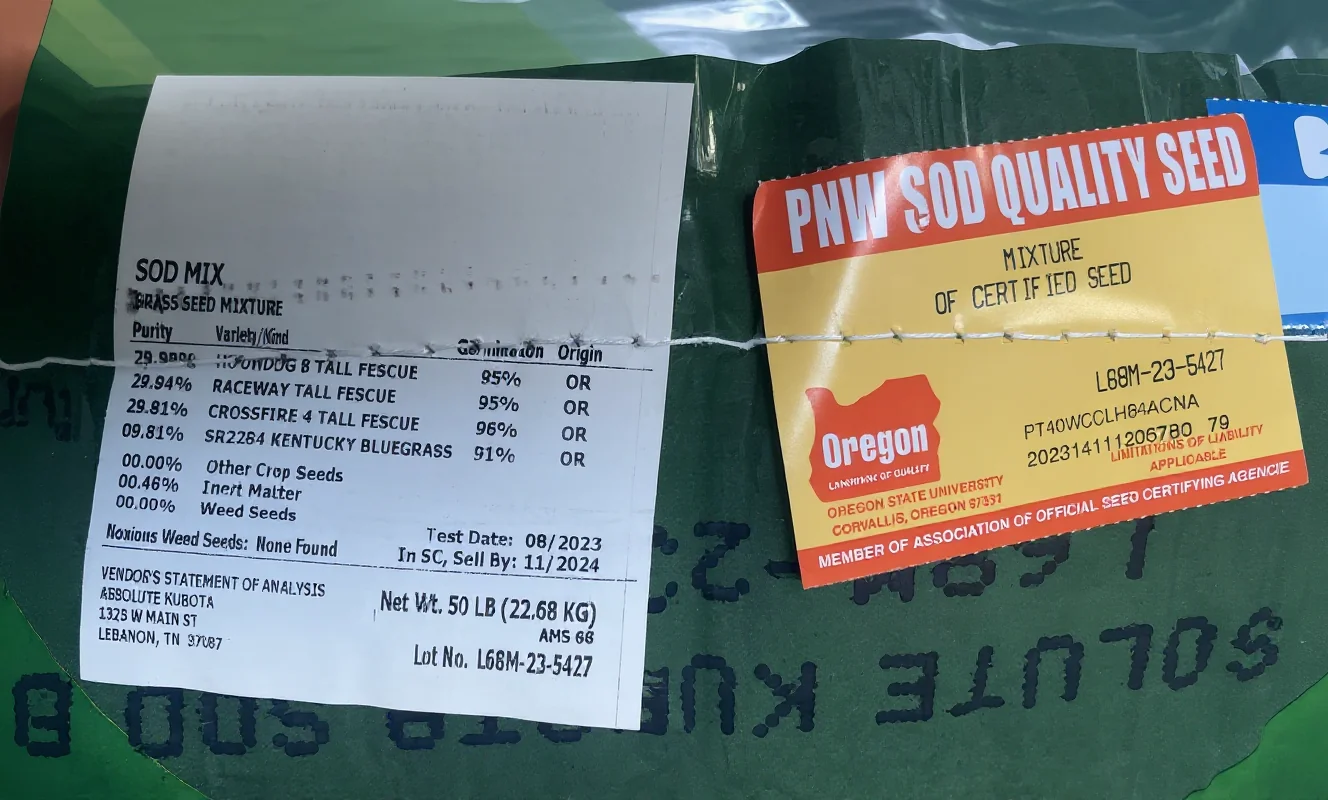
Using the wrong seed in Thompson's Station is a five-year mistake. If your house is new, the builder likely used a cheap "contractor mix" full of annual ryegrass and Kentucky 31, which is riddled with weed seeds like dallisgrass and Johnson grass. I source my seed differently. I blend specific tall fescue and Kentucky bluegrass cultivars chosen from university research trials for our exact climate, prioritizing summer drought tolerance and disease resistance. The bluegrass adds a self-repairing element that helps heal damage and acts as a firebreak against brown patch fungus, which thrives in our humid nights.
The Timing and My Technique
Everyone waits until October, but I schedule these services for September. Seed needs time to germinate and establish before frost. I run my aerator in a precise diamond pattern across your property, which creates more holes per square foot than the circles you often see. More holes means more uniform germination and a thicker, more consistent stand of grass. For families near the historic battlefield or in neighborhoods with active kids, this density is what stands up to foot traffic and helps your lawn finally win against the thin, weak turf that's struggling in that tough soil.
Why Aeration Matters in Thompson's Station
Middle Tennessee fescue lawns thin every single summer. The combination of heat stress above 90°F and the region's persistent fungal pressure — brown patch and dollar spot thriving in our humid, dew-soaked conditions — means fescue loses density every year without exception. That thinning is why annual overseeding is not optional here; it is essential maintenance. Core aeration is the best way to prepare for fall overseeding without damaging the existing grass stand, and fall is when fescue naturally wants to recover and grow. The clay soils throughout Maury, Williamson, and Davidson counties do compact and benefit from the physical channels aeration creates, but the real Middle Tennessee reason to aerate is to set up the best possible overseeding result.
Thompson's Station Neighborhoods We Serve
We provide core aeration & liquid aeration service to all Thompson's Station neighborhoods, including:
ASHTON WOODSBEAR CREEK FARMSBLACKBERRY ESTATESBRIDGEMORE VILLAGEBRIXWORTHBUCKNER PLACECAMERON FARMSCANTERBURYCHERRY GROVECHURCHILL FARMSCROWNE POINTECOLONIAL TRACECOPPERSTONECROOKED CREEKCUMBERLAND ESTATES+10 more