Grub & Armyworm Control for Thompson's Station Homeowners
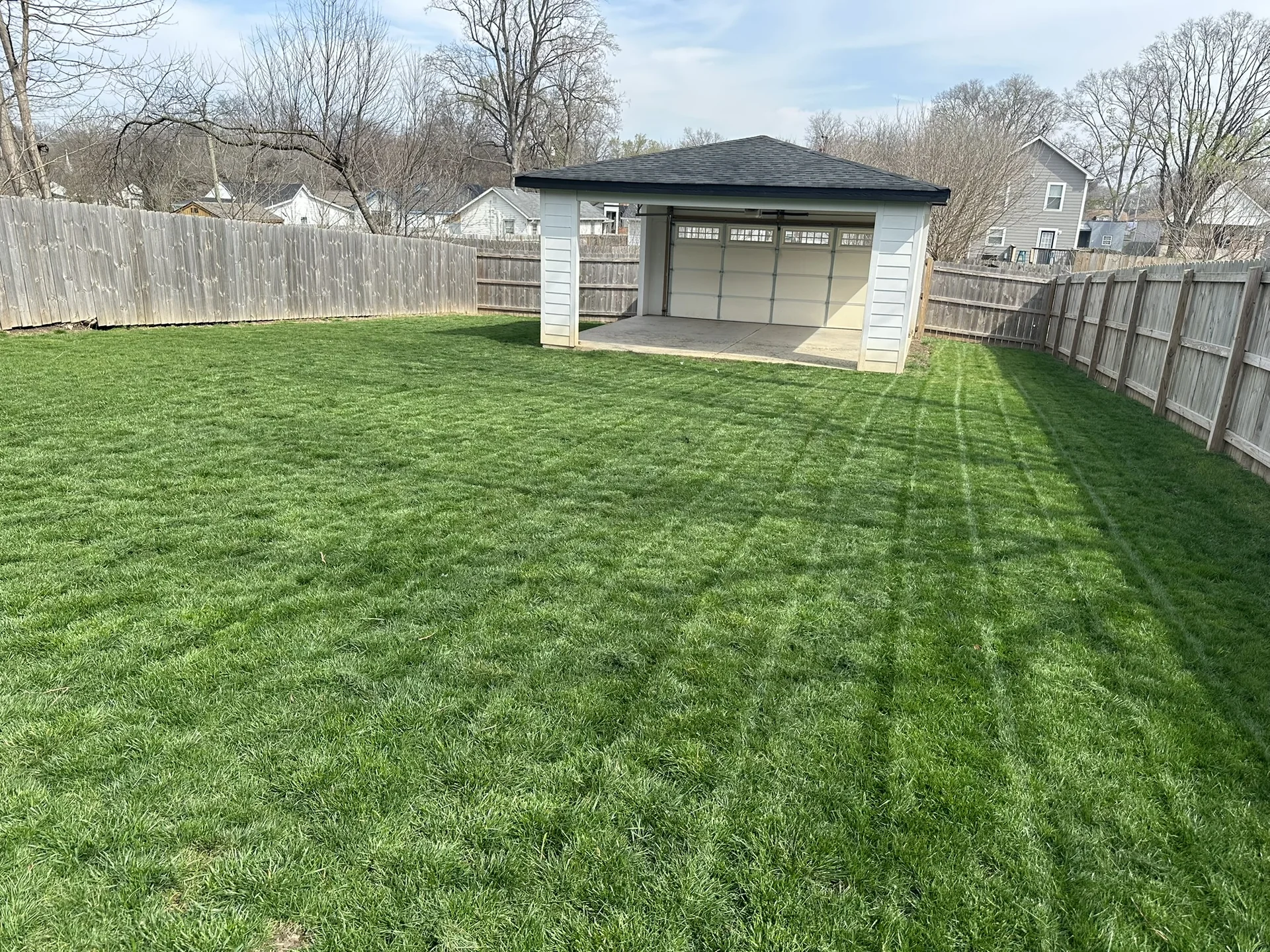
Your Thompson's Station lawn survived the construction, but the shallow, rocky soil left behind makes it vulnerable. When grubs chew the roots or armyworms strip the blades overnight, that stressed fescue doesn't have the reserves to bounce back. You're not just fighting bugs; you're fighting the gravelly ground they thrive in.
In the newer neighborhoods around Clayton Arnold Park and along Columbia Pike, I see the same issue. Construction leaves behind soil mixed with gravel, which heats up fast and prevents deep roots. When summer stress hits, your fescue is already struggling. Adding insect damage from feeding grubs or a sudden armyworm invasion can wipe it out. The solution isn't just killing the pest; it's protecting the plant's ability to survive our tough summers, so those limited resources go to recovery, not fighting bugs.
Apply Before You See Damage
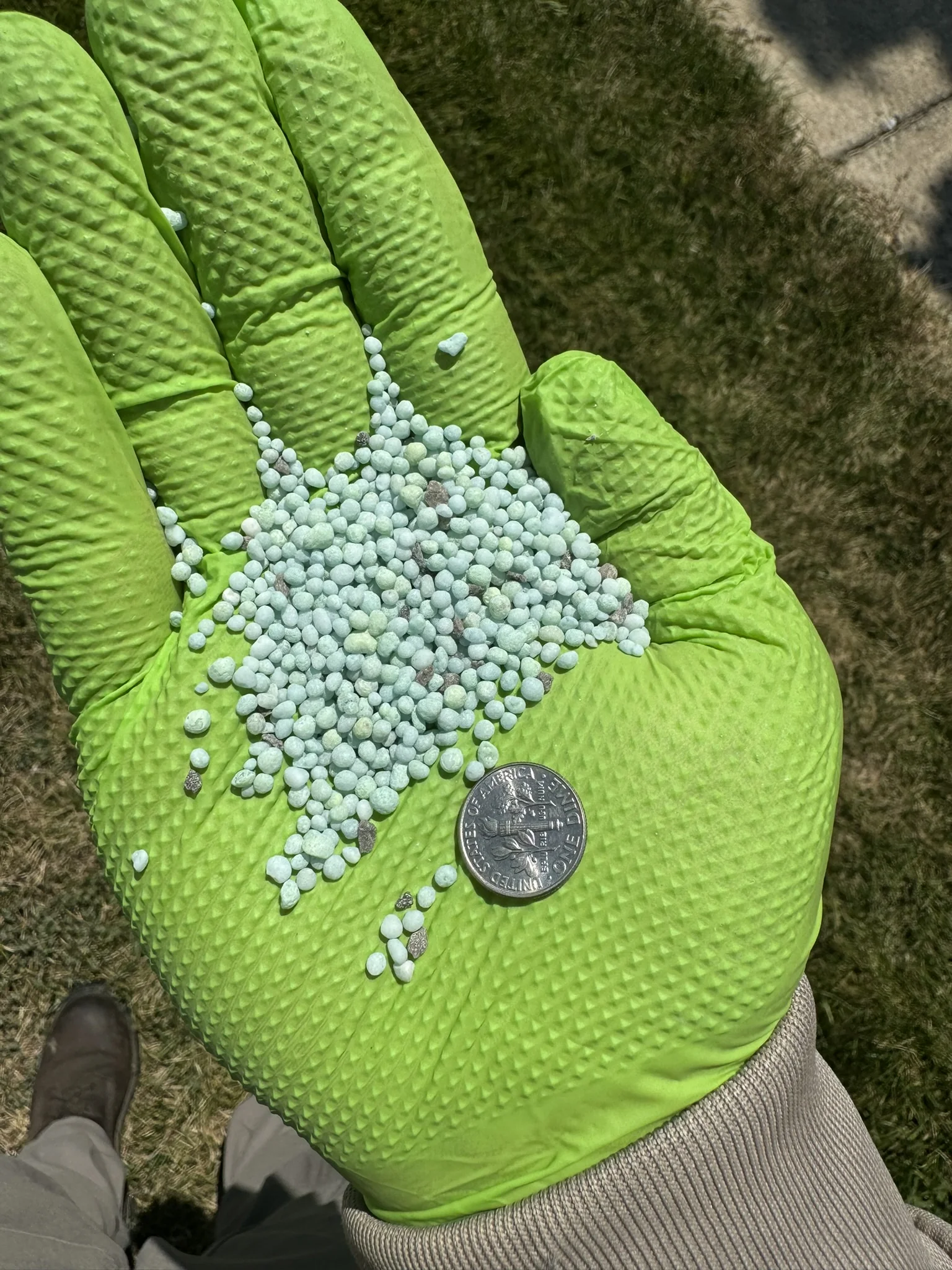
The critical rule for Thompson's Station is timing. If you wait until you see brown patches from grubs or the ground seems to move with armyworms, it's too late for the safe, preventive chemistry I use. By then, you'd need harsh treatments that I don't apply. My standard plan uses a novel, bee-safe insecticide applied preventively. It covers any bug that feeds on the plant itself, from root-eating white grubs to blade-chomping fall armyworm or sod webworm. This is applied as part of your seasonal plan, so you're covered before moths migrating up from Florida lay eggs along your shrub lines.
Coverage That Compounds Year After Year
This chemistry is very persistent in the plant tissue. Here's the real benefit for long-term clients: you actually get some protective coverage the following year from the prior year's service. For lawns in areas like The Reserve or along Critz Lane, this compounding effect is key. It builds quality year after year, stacking on top of better soil and turf health. It's my core philosophy: single-year customers get single-year results, but staying with the plan means residuals, biological benefits, and resilience all work together. This is especially valuable on your shallow soils where every stressor adds up.
The Local Bugs You Might See
While grubs and armyworms are the main threats, my service also handles other local issues. Chinch bugs can be a problem, but in my experience, only on zoysia lawns, not fescue. I've seen bluegrass billbug exactly once, in nearby Spring Hill, and it was because fescue died and bluegrass took over. The treatment fixed it. For most Thompson's Station lawns, the standard plan covers it. The goal is to prevent the dramatic damage so you never have to see your lawn eaten overnight or wonder why it's failing despite your care.
Why Grub & Armyworm Control Matters in Thompson's Station
Middle Tennessee experiences significant pressure from both Japanese beetle grubs and fall armyworms. The timing of our preventive applications is specifically calibrated for the life cycles of these local pests. Applying grub control too early or too late renders it ineffective. Furthermore, our region has seen severe armyworm outbreaks in recent years, making proactive monitoring and rapid-response capabilities essential.