Grub & Armyworm Control for Spring Hill Homeowners
You see your neighbors' lawns chewed up overnight, or your turf pulls up like a loose carpet, and you know the problem is here again. In Spring Hill, our construction gravel and thin soil means grass roots are already stressed and can't handle a single extra pest. You're dealing with an invisible buffet for grubs and a nightly feast for armyworms, and the results show up fast.
A grub or armyworm problem in Spring Hill isn't just about bugs. It's about fighting a stacked deck. Your lawn's root system is already dealing with the gravel left by builders, which raises soil temperature and prevents deep, healthy roots. When white grubs start feeding on those stressed roots, or fall armyworms march across the surface, it can be the final straw. You'll see it first in the hottest, thinnest areas like boulevard strips or along your driveway, where the soil is shallow. That's where grass has the least reserves to fight back.
My Bee-Safe Prevention Plan
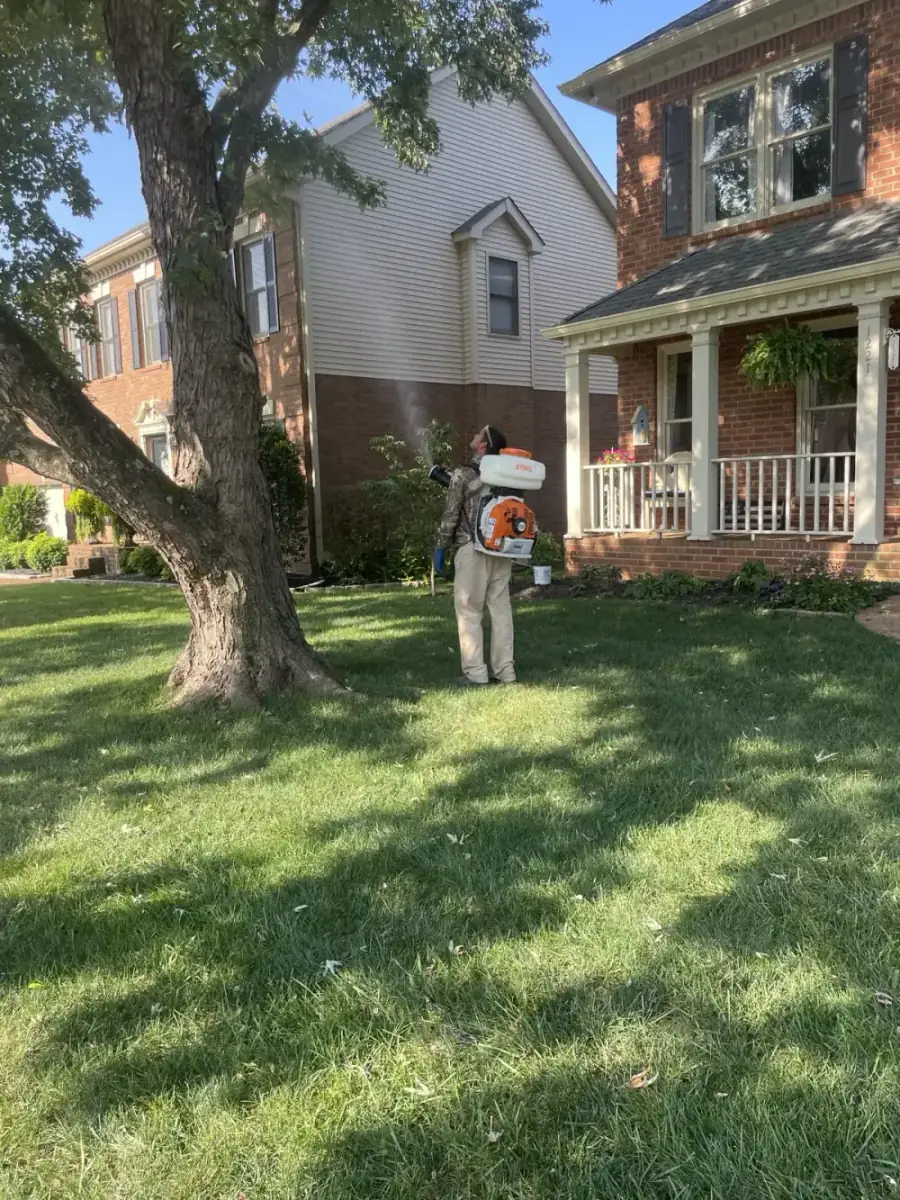
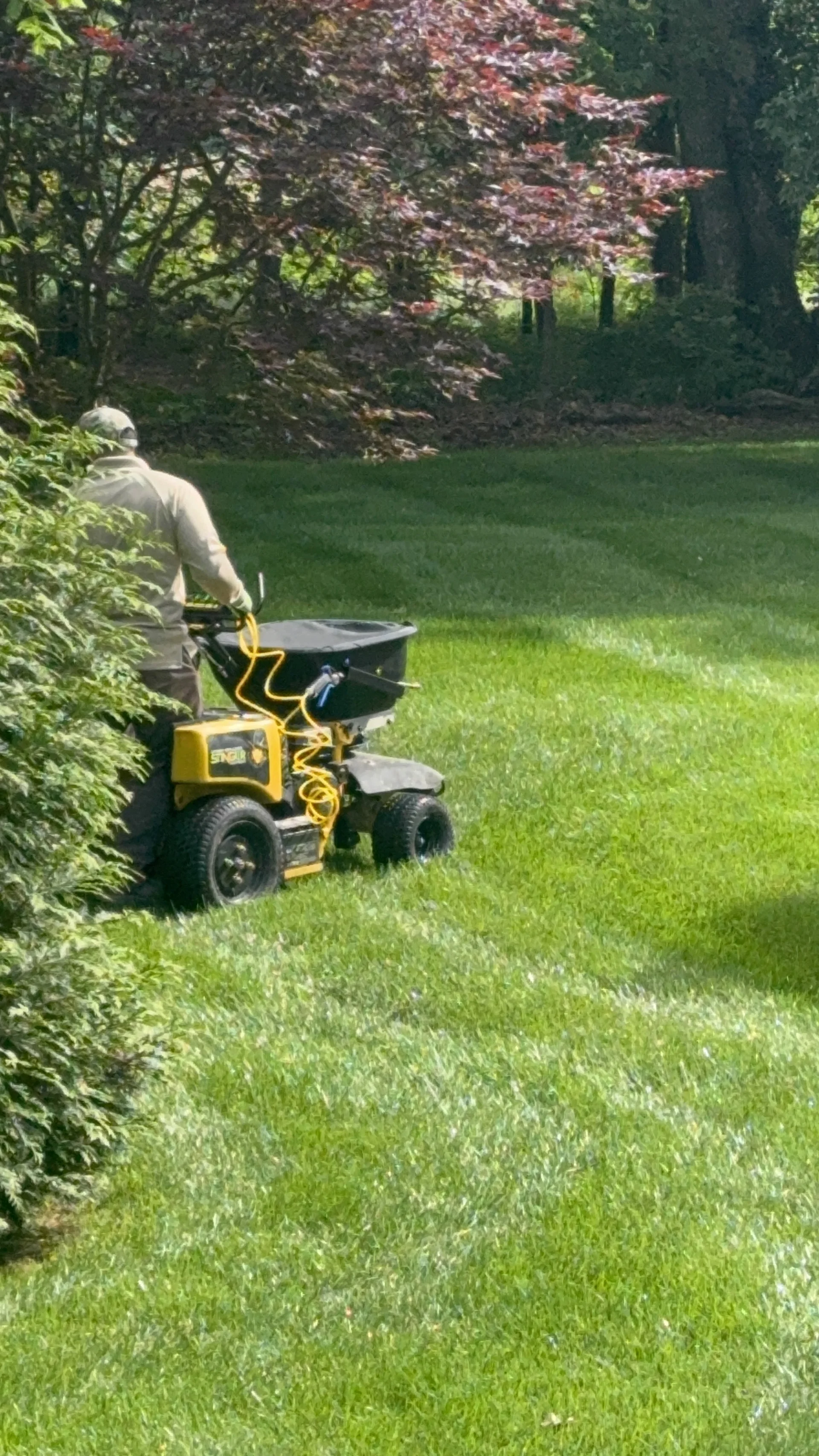
I apply a preventive, bee-safe insecticide as part of the standard lawn care plan. This is not a reaction; it's a scheduled defense. The chemistry is persistent, meaning it stays in the plant tissue. It covers any insect that feeds on the grass itself, from root-eating grubs to blade-chewing armyworms and sod webworms. For Spring Hill lawns, especially in newer neighborhoods like The Crossings or along Miles Johnson Parkway, this is crucial. The goal is to stop the damage before it starts, because by the time you see it, your grass is already compromised and the only effective treatments are harsh chemicals I won't use.
The Unique Compounding Benefit
Here's the key insight: this specific chemistry is so persistent that you actually get some carryover protection into the following season. This is a perfect example of my philosophy: quality compounds year after year. A single-year customer gets a single-year result. But for homeowners in Longview or at King's Grant who stay on the plan, the service builds on itself. You get residual pest control, healthier soil biology, and a turf that gets more resilient. It's one of the strongest reasons to stick with a consistent program, especially in our climate where stress is constant from June through August.
What You'll See (And Won't)
You won't see me treating for ants in your lawn, because healthy, frequently-mowed tall fescue rarely gets ant hills here. If you see a mound, it's almost always at the base of a tree your builder planted too deep, which is a different issue. And while I've seen exactly one case of bluegrass billbug in Spring Hill, it was on a sodded lawn where the fescue had died and bluegrass took over. My standard plan handled it, and reseeding back to fescue solved it for good. My focus is on the pests that actively eat your grass, giving your roots the resources to survive our tough summers.