Weed Control for Spring Hill Homeowners
In Spring Hill, you're not just battling weeds. You're fighting against the gravel left behind from construction and the aggressive, rhizomatous weeds like dallisgrass that came in with the straw. Your lawn is struggling in the shallow, hot soil while these invaders take over. I get it.
I see it in every new development from Port Royal to the Longview Estates area. The soil is thin, packed with leftover gravel from grading, and gets blazing hot by June. In that environment, your tall fescue can't root deeply, and it goes on defense during our summer heat. That's when opportunistic weeds like common Bermuda, dallisgrass, and Johnson grass see their chance. They thrive in exactly those conditions, spreading from a neighbor's yard or arriving years ago hidden in construction straw. The constant traffic on Route 31 and I-65 means these weeds travel easily. You're not imagining it; your weed problem is directly tied to how Spring Hill was built.
My Approach Starts Before You See Weeds
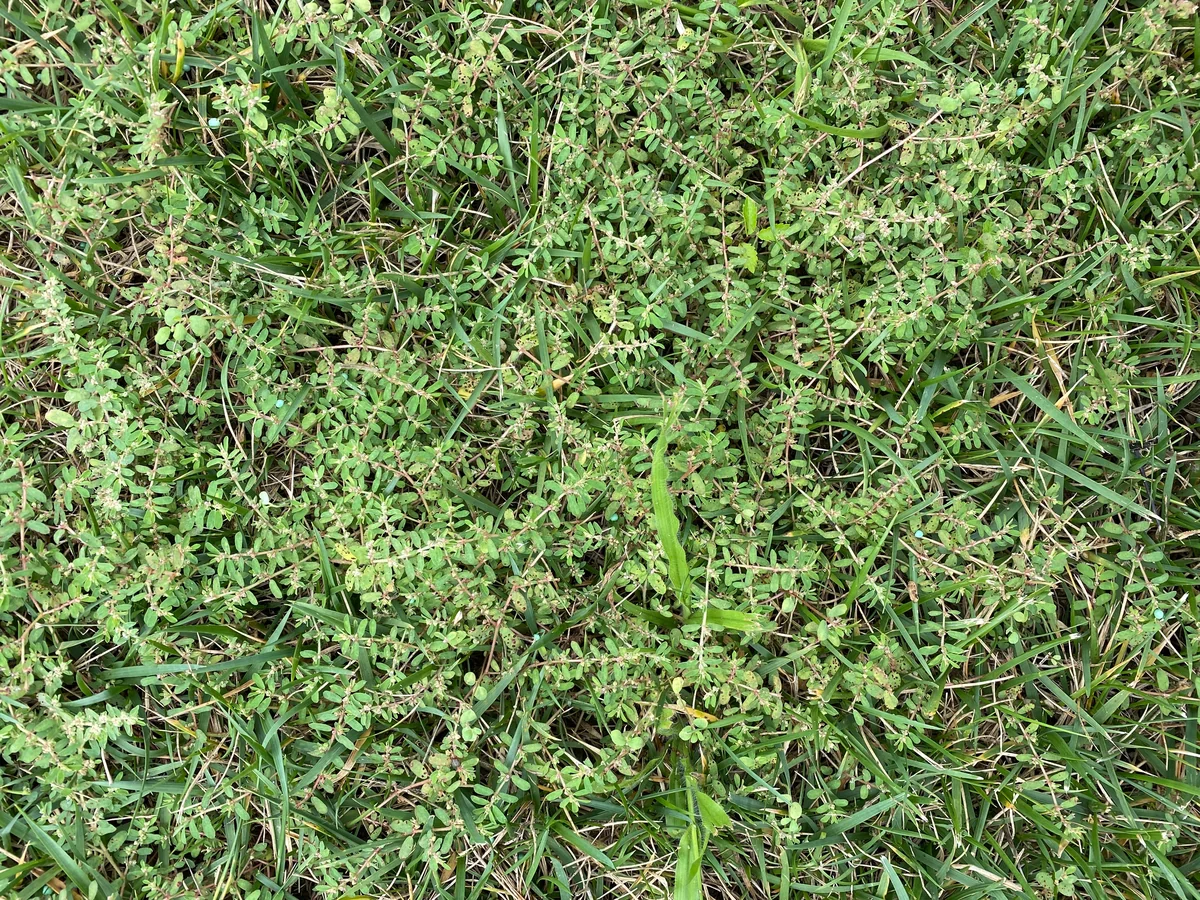
I don't wait until you have a patch of dallisgrass ruining your curb appeal. My program is built on timing, using historical weather data for this area to know exactly when to apply pre-emergents. For Spring Hill, that first critical pass happens by March 15th. This puts down a protective barrier that stops summer annuals before they even break ground. Because I treat early, I can use safer chemistries at lower rates. It’s a precise, proactive strike against the weeds you hate, like crabgrass and spurge, long before the summer heat bakes your lawn.
The Hard Truth About Your Toughest Weeds
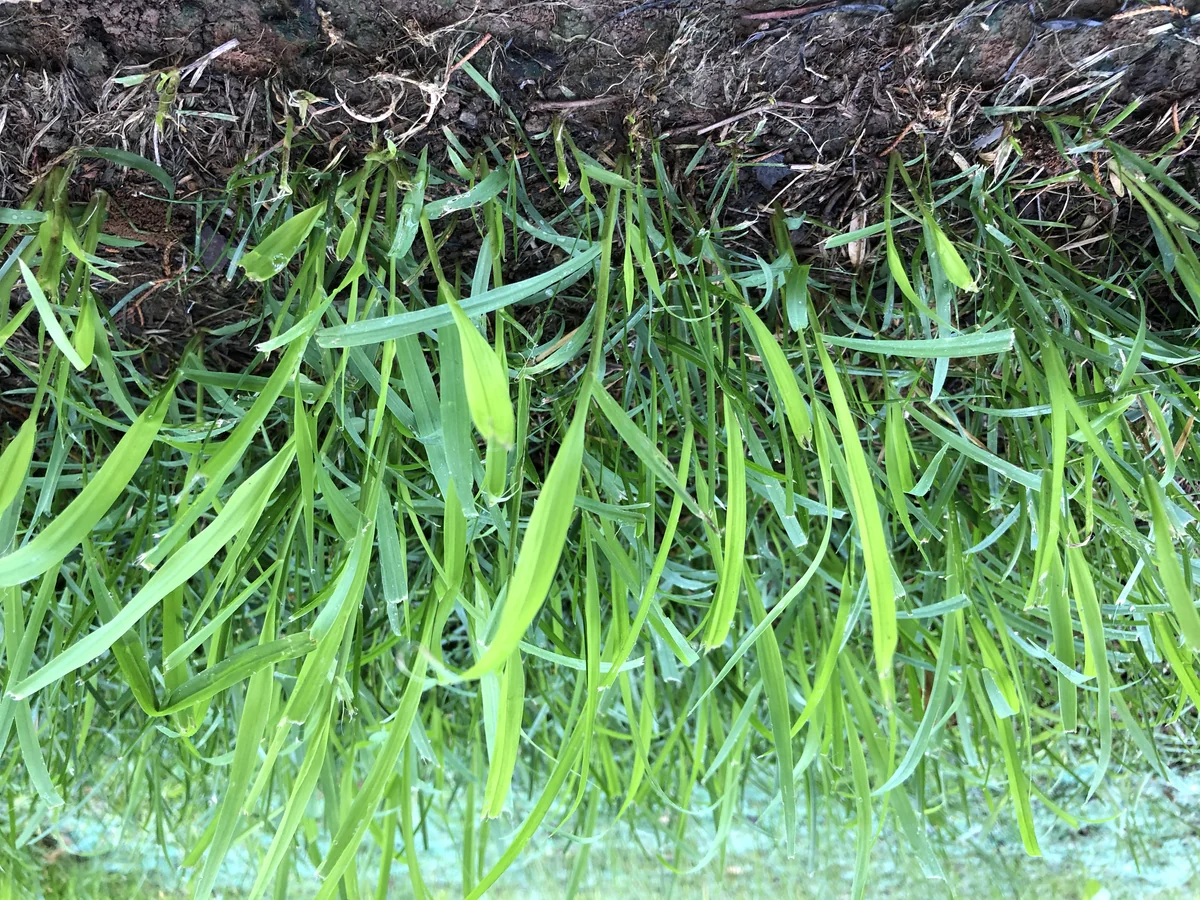
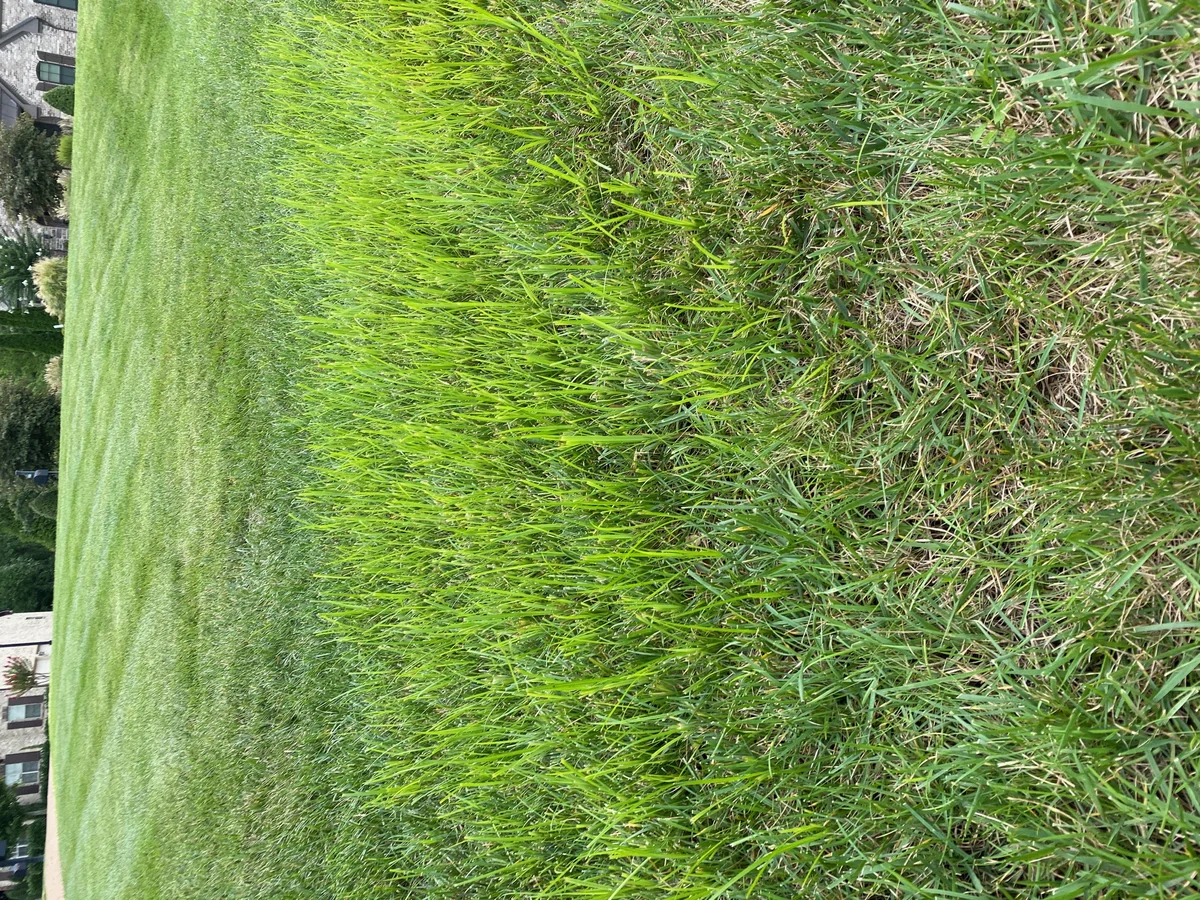
The weeds that frustrate you the most, dallisgrass, Johnson grass, common Bermuda, are perennials. Spraying them in the heat of summer is a cosmetic fix that won't kill them. They bounce back stronger. My strategy respects their lifecycle. I hit them in the spring when they're vulnerable and then again in the fall, when they're pulling resources down into their roots for winter. This fall pass, timed before the first frost, is the real kill shot. It’s a multi-year commitment, but it’s the only way to actually eliminate these weeds without resorting to glyphosate and leaving dead patches.
This Isn't a Spray-and-Pray Service
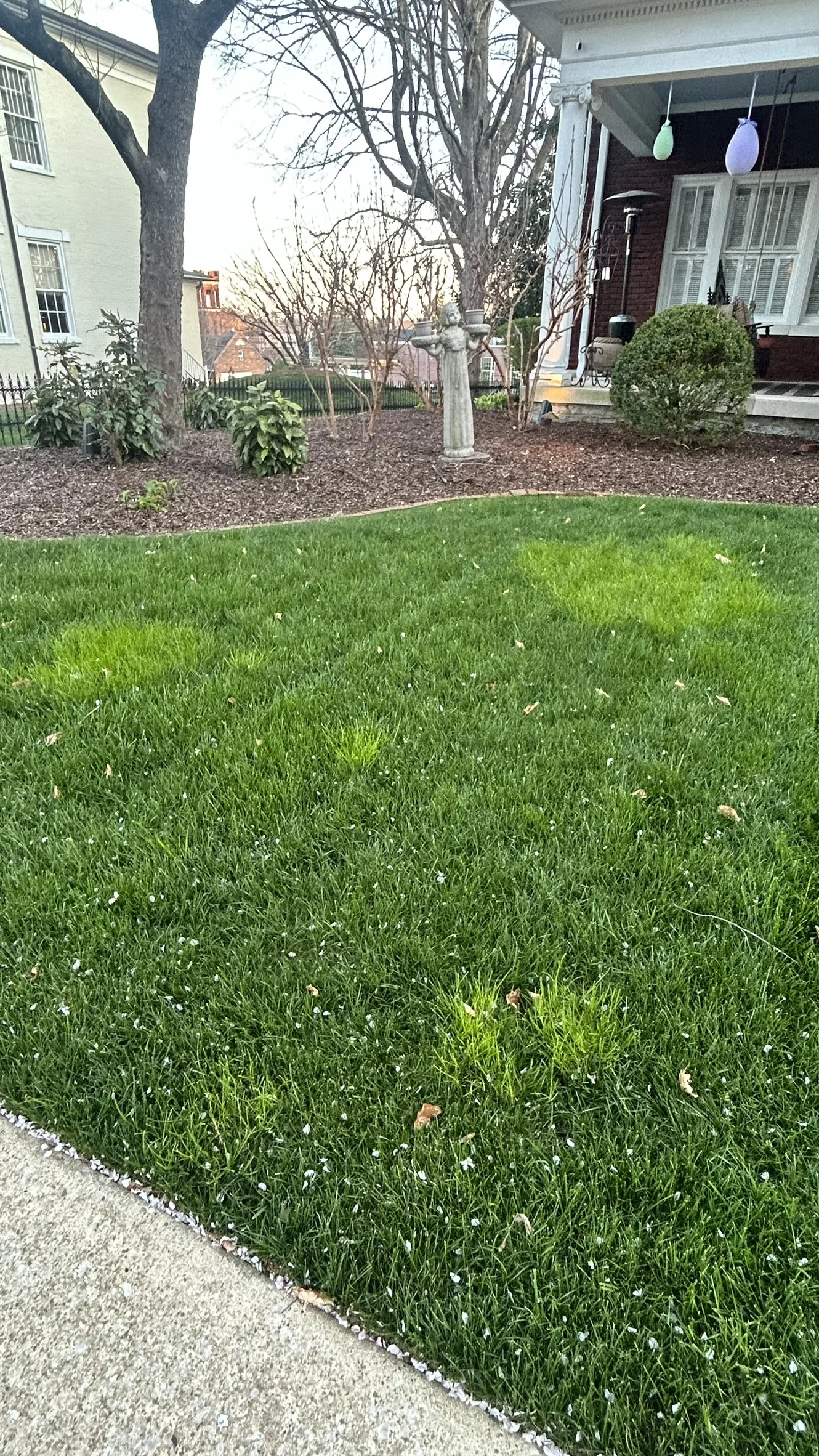
Every treatment compounds over time. What I do for your lawn in September sets the stage for next summer's health. This is especially critical for Spring Hill lawns that are young and establishing. I include fungicides in every plan, at no extra charge, because a stressed lawn in our humidity is a target for disease. You get one flat monthly rate and one standard of care, whether you're on the Williamson or Maury County side. My job is to build a thick, healthy stand of fescue that can outcompete weeds, so you spend less time worrying about your yard and more time enjoying it.
Why Weed Control Matters in Spring Hill
Middle Tennessee's transition zone climate means your fescue lawn competes with both cool-season and warm-season weeds. Crabgrass, goosegrass, and nutsedge thrive in our hot summers, while henbit, chickweed, and annual bluegrass invade during mild winters. The heavy clay soils throughout Maury and Williamson counties also create thin spots where weeds establish quickly. Our weed control program addresses this full spectrum of weed pressure with seasonally appropriate treatments.