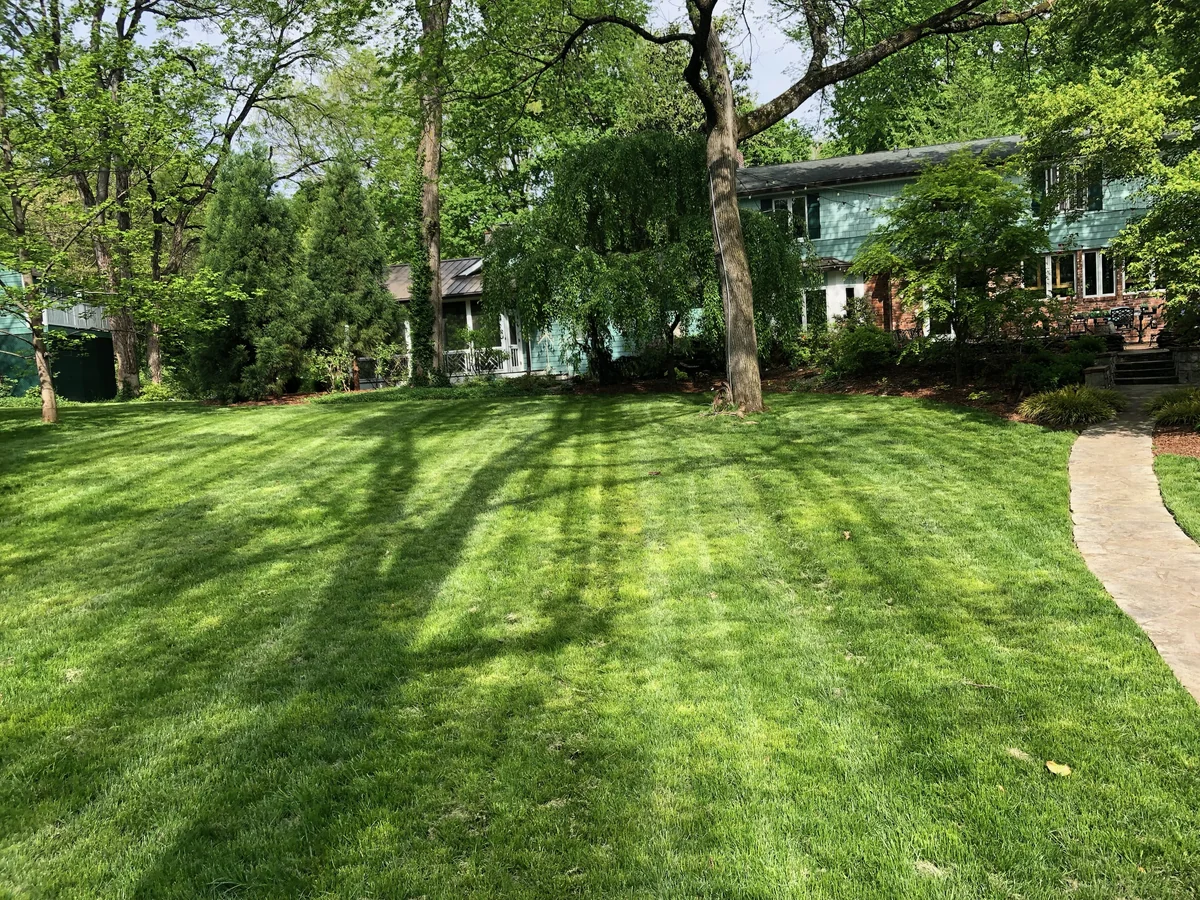
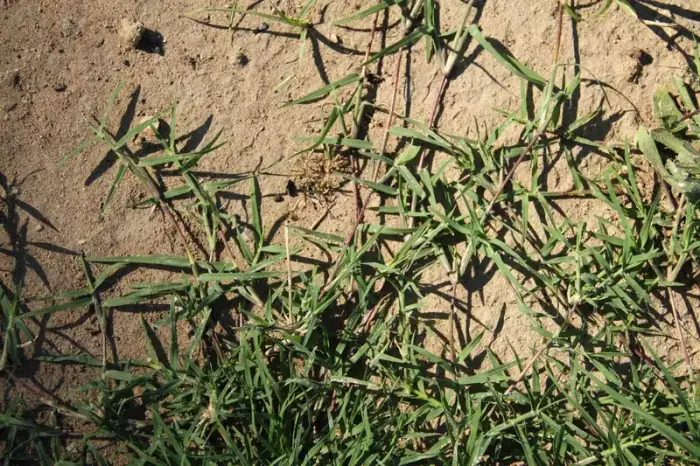
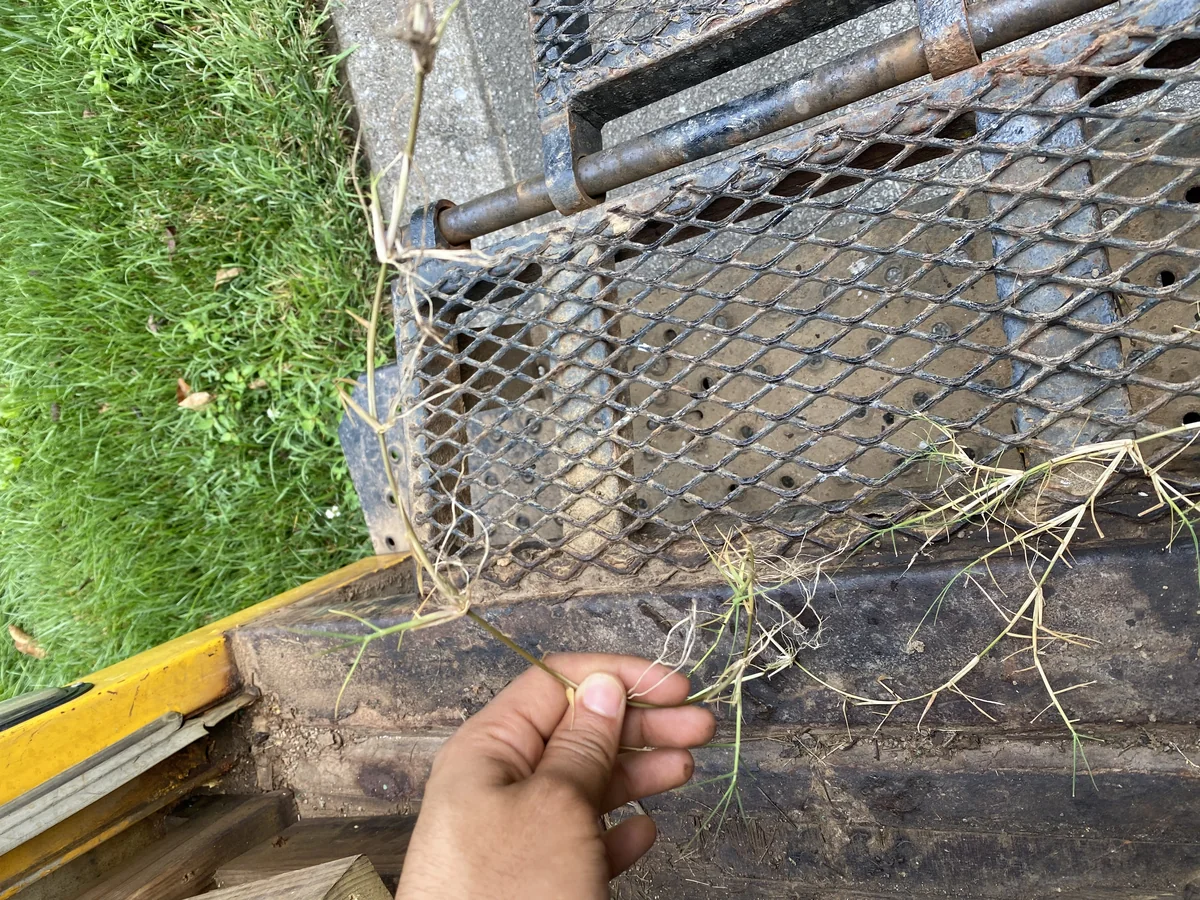
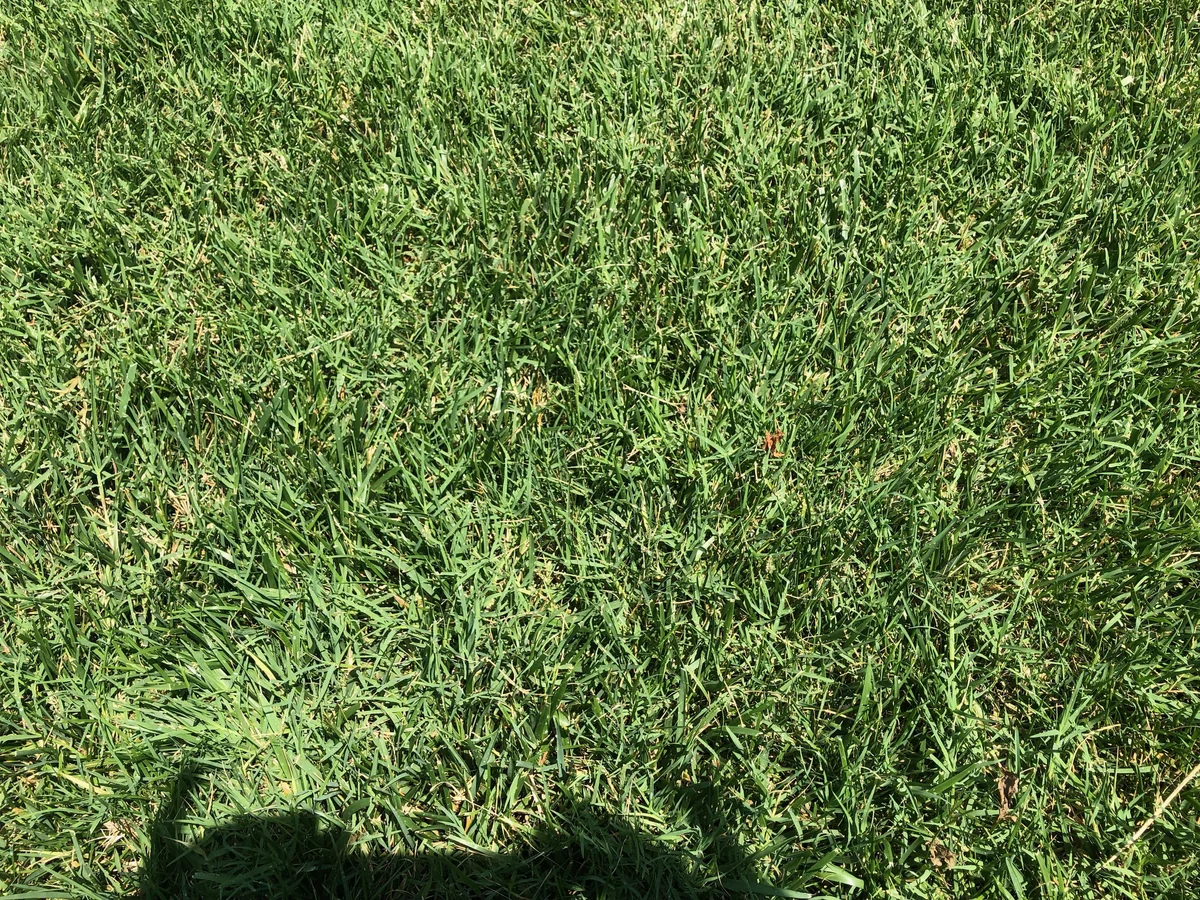
If you're dealing with weeds in Neapolis, I already know the pattern. Near the older sections, established tree shade creates a perfect home for stubborn wild violets. On the newer side, where construction crews left behind gravel-laced soil and cheap straw, you're facing a constant battle with dallisgrass and Johnson grass that your neighbors don't have. The common mistake is hitting these weeds with a spray bottle from the hardware store in the summer, when they're at their toughest and the heat makes treatments risky for your fescue. That's a temporary fix at best, and it often leaves you with burnt grass tips and the same weeds next year.
Perennials Need a Different Calendar
The weeds that truly frustrate homeowners here, dallisgrass, wild violets, Virginia buttonweed, are perennials. They don't die off each year; they just go dormant. Summer spraying is like trying to fight a bear when it's strongest and fastest. My strategy flips that. I treat perennials in two key windows: early spring, when they're weak and spending stored energy, and again in early fall, when they're pulling resources down into their roots for winter. Applying the right chemistry during these windows means the herbicide gets translocated to the root system, causing real damage. This is how you achieve control, not just cosmetic suppression, and it’s especially critical for the gravel-heavy soils in new developments where these weeds thrive.
Your Soil Dictates the Battle
Neapolis sits on our region's heavy clay, which holds water. Combine that with our subtropical humidity, where grass stays soaked with dew until mid-morning, and you have the perfect recipe for yellow nutsedge in low spots and fungal pressure that weakens your turf. A thick lawn is your best weed defense, but clay compacted by construction or foot traffic chokes out fescue roots and opens the door for weeds. This is why a one-size-fits-all spray program fails. I calibrate every application for your specific soil conditions and sun exposure. For nutsedge popping up in a drainage swale, that means a targeted early-season approach, often as early as February, to get ahead of it before the summer rains make it explode.
The Pre-Emergent Edge
The most effective weed control is for weeds you never see. My core program includes two precise pre-emergent applications: one in late winter to stop summer annuals like crabgrass and spurge, and another in early fall to prevent winter annuals like Poa annua. This creates a protective barrier in the soil so germinating weed seeds exhaust themselves before they ever break the surface. For you, this means fewer rescue sprays throughout the year, less overall chemistry on your lawn, and a dramatic reduction in the weed seeds that plague properties near active construction zones. It’s a proactive system built for the challenges of both old and new Neapolis lawns.
Why Weed Control Matters in Neapolis
Middle Tennessee's transition zone climate means your fescue lawn competes with both cool-season and warm-season weeds. Crabgrass, goosegrass, and nutsedge thrive in our hot summers, while henbit, chickweed, and annual bluegrass invade during mild winters. The heavy clay soils throughout Maury and Williamson counties also create thin spots where weeds establish quickly. Our weed control program addresses this full spectrum of weed pressure with seasonally appropriate treatments.