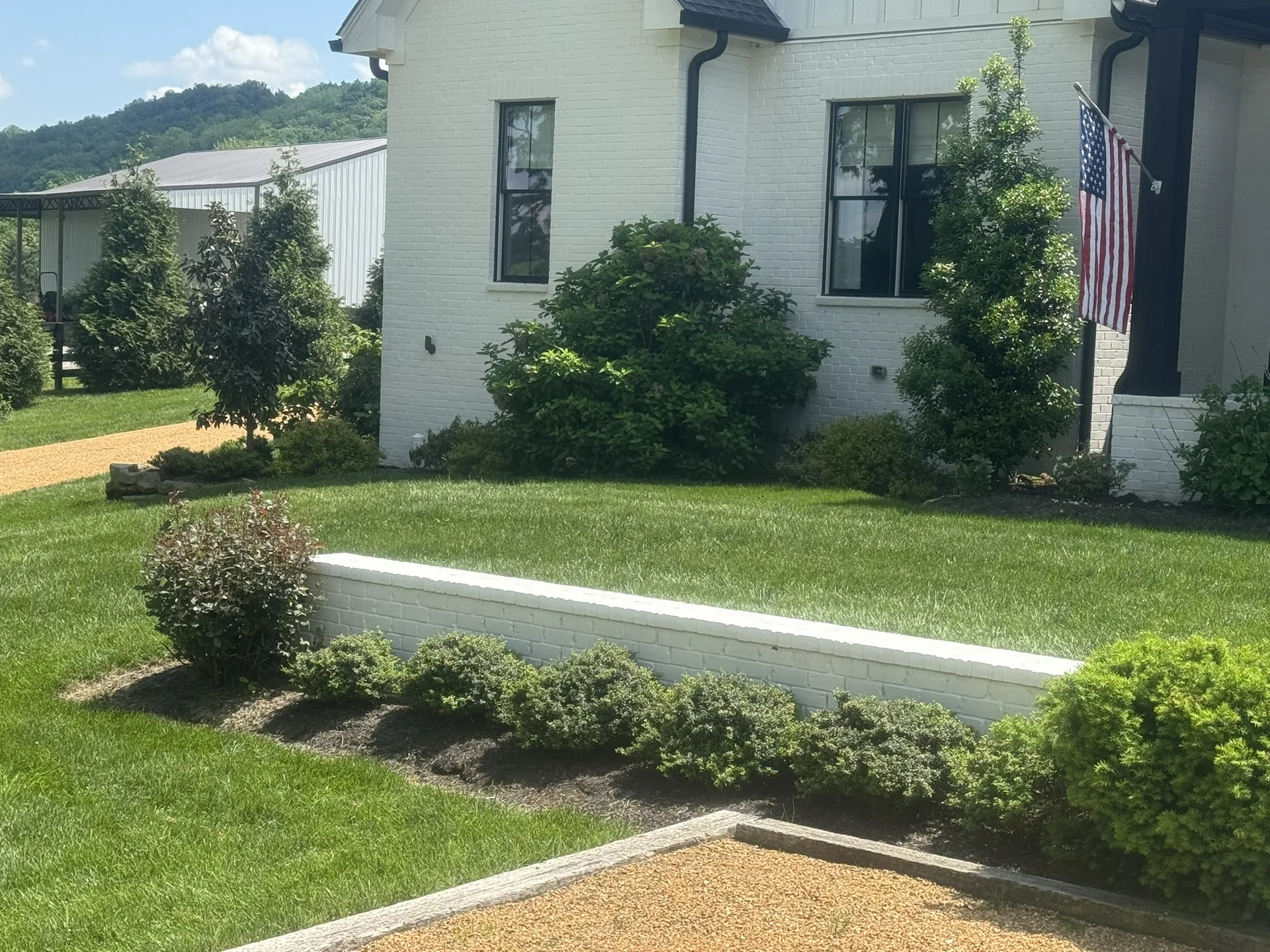
Lawn Care Plan for Neapolis Homeowners
If you're paying for a lawn service along Highway 31 in Neapolis and your grass still struggles every summer, it's not your fault. Many plans skip the one thing your property needs most: preventative disease control. I build my service plan around the specific challenges of our transitional neighborhoods, where new construction stress meets established tree competition.
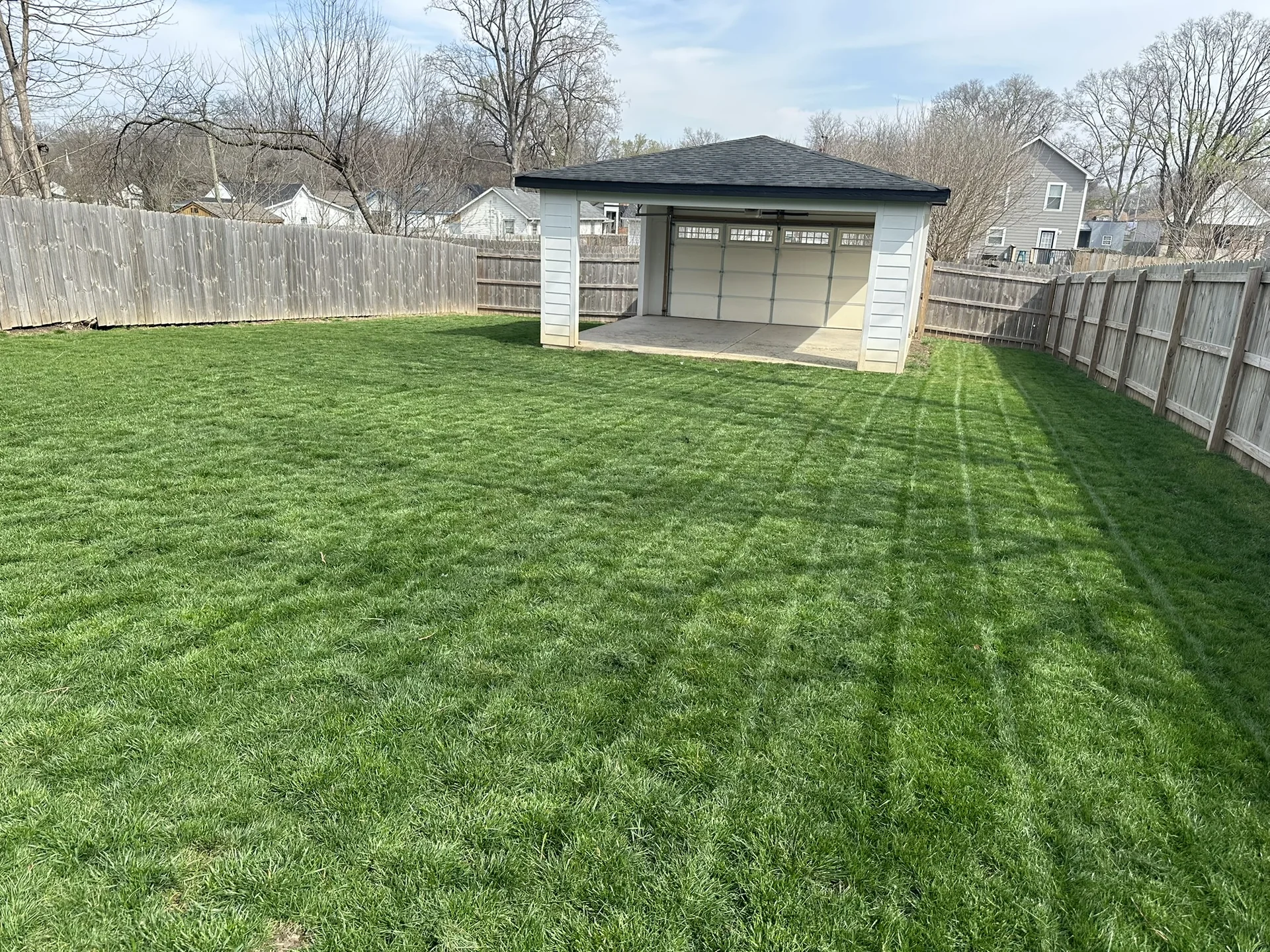
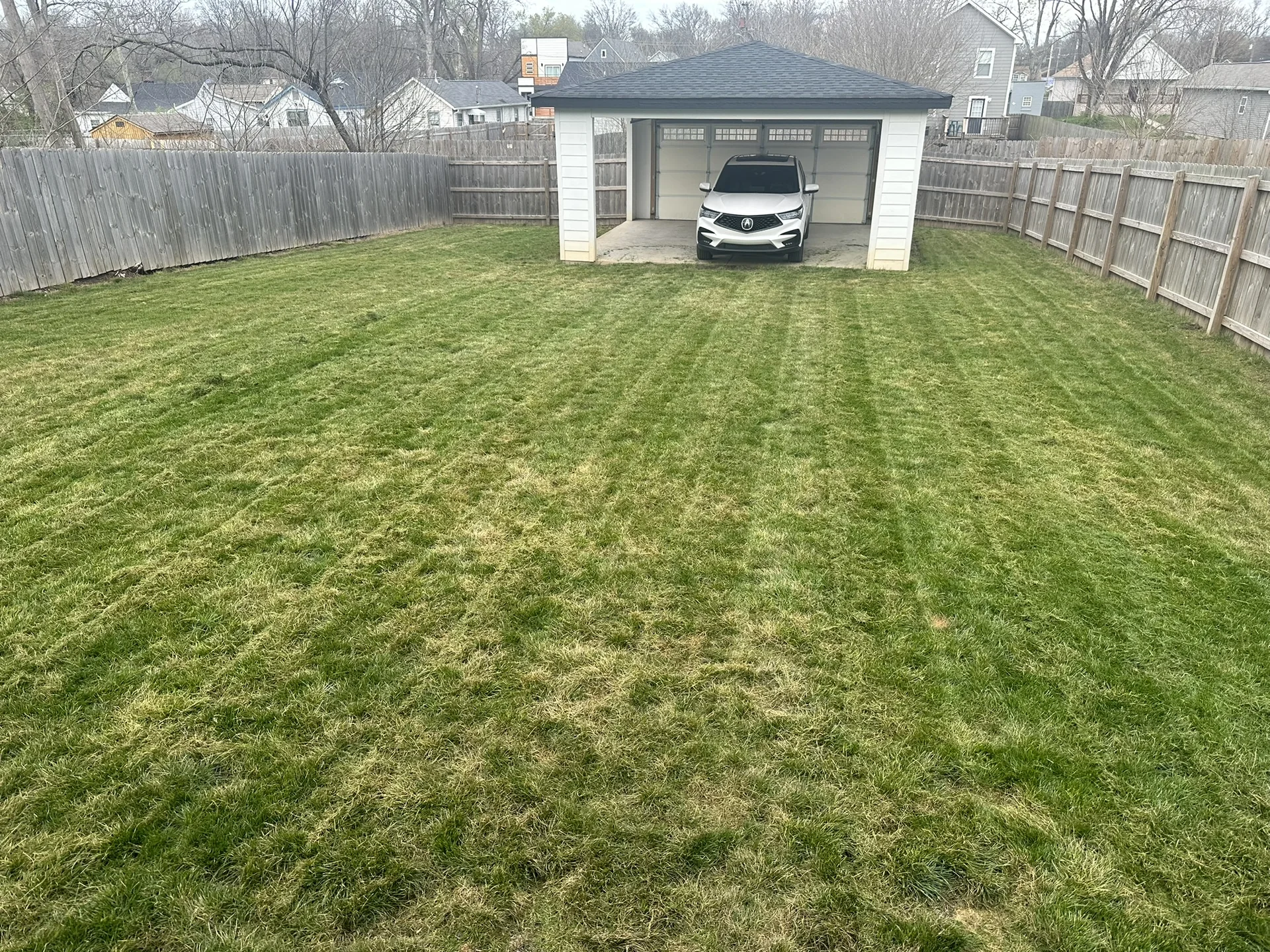
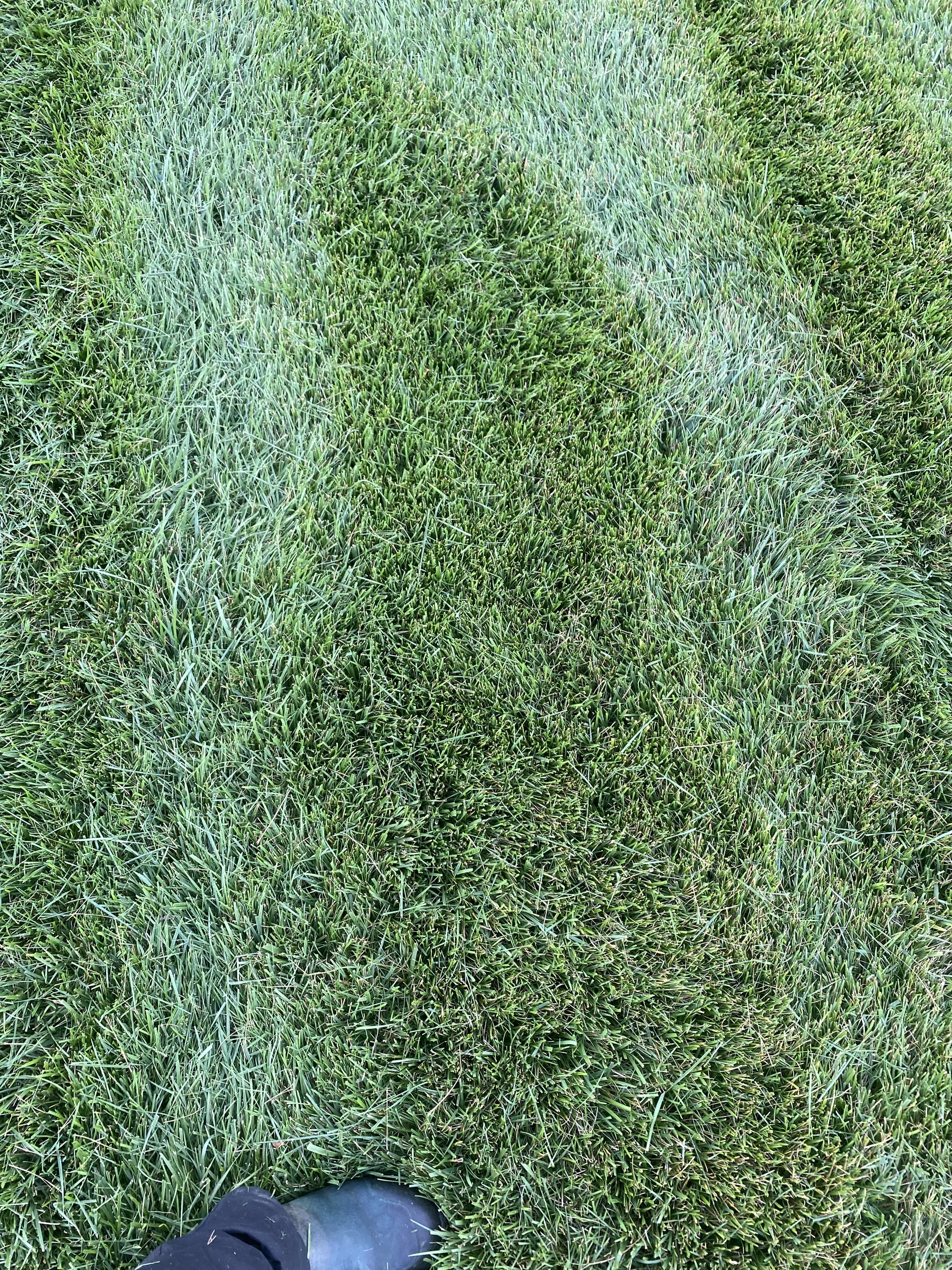
When you look at the properties off Neapolis Road or in the newer sections near the Columbia Pike, you'll see two main problems. First, lawns in freshly built areas often fight gravelly subsoil and invasive weeds like dallisgrass and common Bermuda that creep in from construction corridors. Second, the older, shaded yards closer to Spring Hill deal with tree root competition and persistent wild violets. Both situations stress the grass, and in our climate, a stressed lawn is a target. The high humidity from June through August keeps your turf wet for half the day, creating an all-you-can-eat buffet for fungal diseases like brown patch and dollar spot. Most national companies design their plans to be affordable by leaving out the fungicide treatments needed to stop this. They wait for the disease to appear, then upsell you the cure at a premium.
Why 8 Visits Is The Minimum
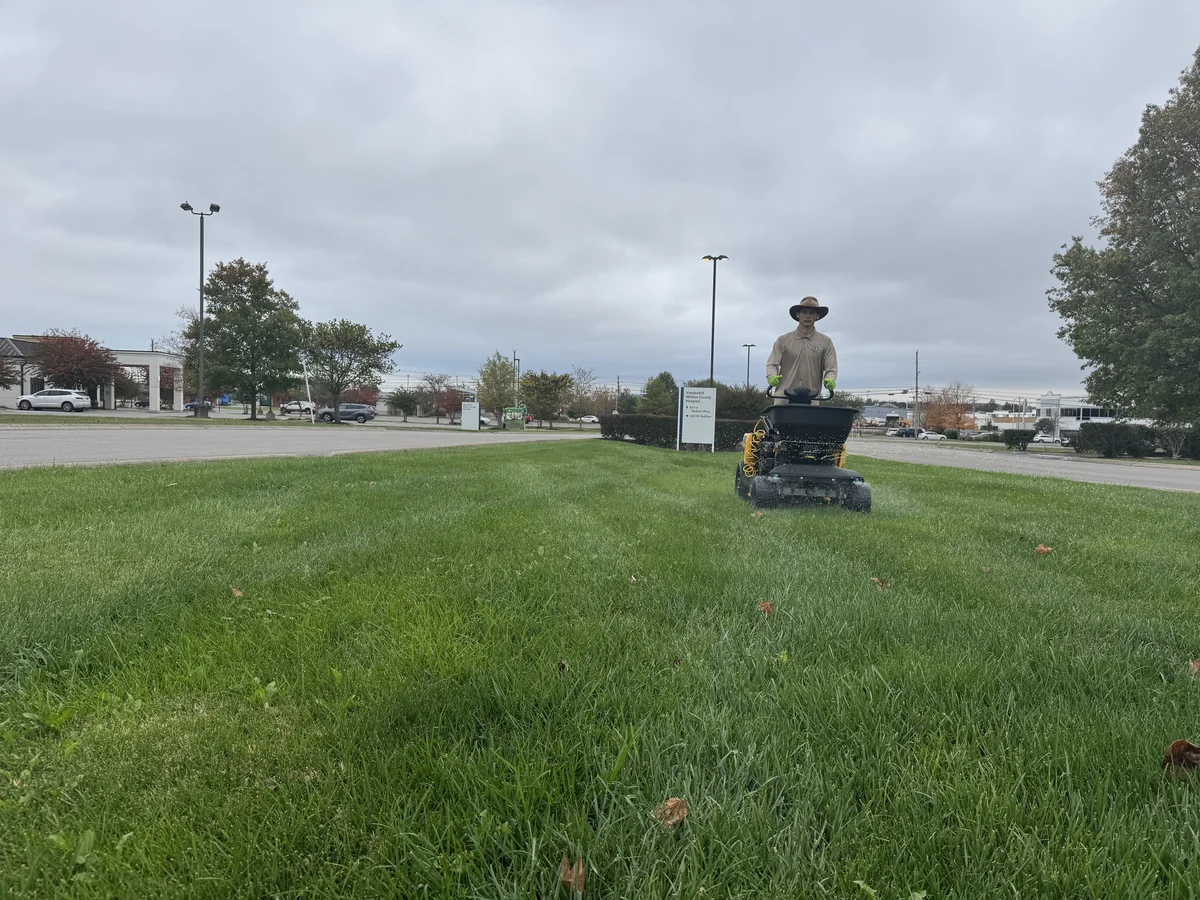
Agronomically, Middle Tennessee needs more care than northern states. We have a true winter and a true, muggy summer, which means your tall fescue lawn is actively stressed for much longer. I've distilled my plan down to the minimum number of visits, eight, required to maintain quality year-round with current technology. This includes four targeted fungicide applications from May through August. Starting in May is critical; it's the preventative window most companies skip because their model relies on you calling them panicked in July. My approach is to build compounding results. What we do in the fall, like September's vital feeding, is an investment in your lawn's resilience for the following summer. You're paying for that forward-thinking strategy, not just a quick spray.
What Your Monthly Fee Actually Covers
My plan has one flat monthly rate. When I was an apprentice, the number one complaint was customers never knowing their next bill amount. I fixed that. Your fee covers my expertise as a UT Certified professional and my team's certified care. It includes all needed weed control, fertility, insect control like for grubs and fall armyworm, and those essential fungicides. All of it. There are no tiers and no "Brentwood tax"; the price is based strictly on your treatable grass area, whether you're on an older rural lot or in a new subdivision. This steady plan also includes free service calls between visits, though clients rarely need them because we handle problems before they become visible. It's the difference between constant repair and consistent health.
Why Lawn Care Plan Matters in Neapolis
Middle Tennessee's climate creates a unique set of challenges for fescue lawns. Summer temperatures regularly exceed 90°F with high humidity, creating ideal conditions for brown patch fungus and crabgrass invasion. The heavy clay soils common throughout Maury and Williamson counties compact easily, restricting root growth and water absorption. Our service plan addresses every one of these regional challenges with treatments specifically timed for the Middle Tennessee growing season.