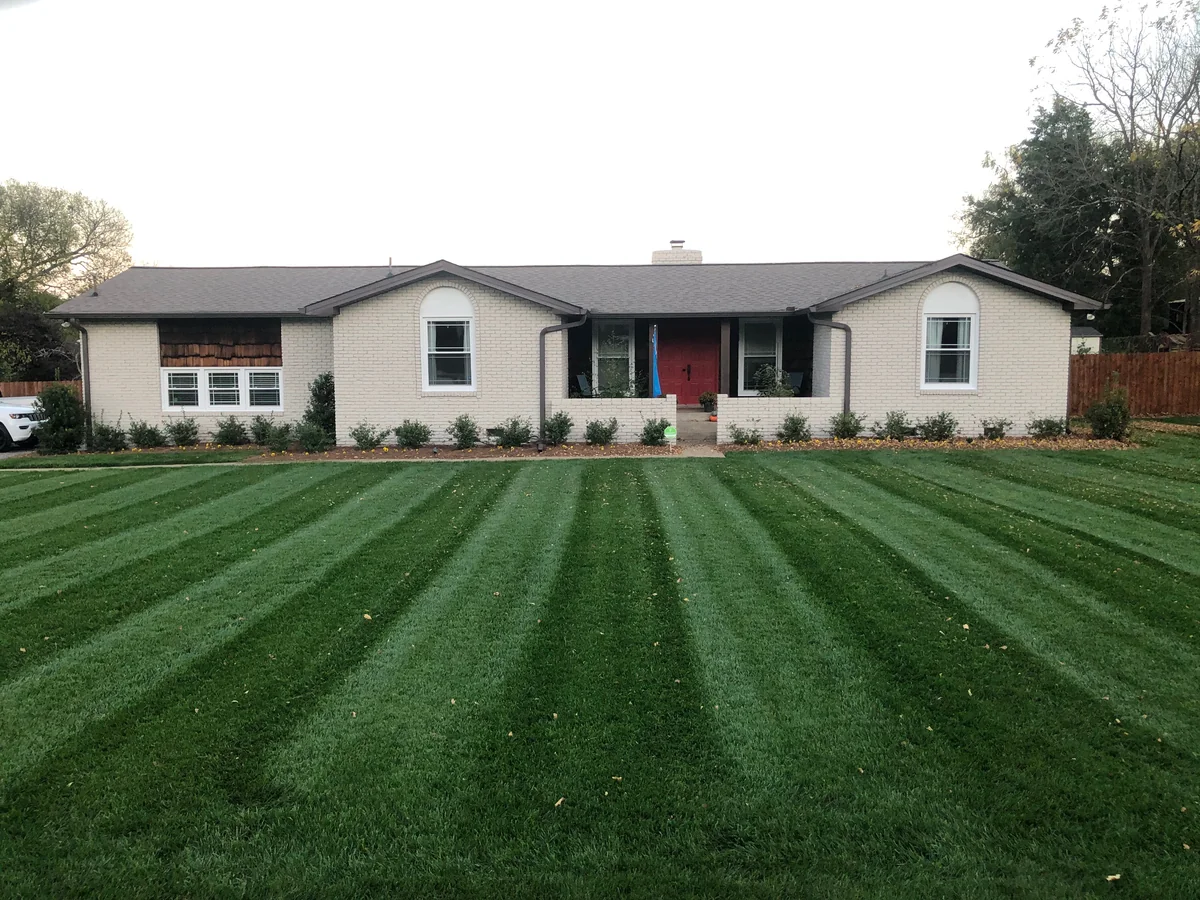
Aeration for Neapolis Homeowners
If you're in Neapolis, you've likely seen the same lawn patterns I have: new construction sites where the so-called lawn is gravel and aggressive weeds, and older properties where the soil is so hard from decades of foot traffic that water just runs right off. Homeowners here are told they "need" aeration, but nobody explains why it often doesn't work when done alone.
In the newer parts of Neapolis, especially in areas growing along the Highway 31 corridor, the soil profile is often a disaster from construction. You get a thin layer of imported topsoil over dense, compacted clay and gravel, which is a recipe for poor drainage and weak grass roots. Combined with our Middle Tennessee humidity that keeps the ground wet for half the day, this creates a perfect environment for diseases to attack stressed turf. An aeration service sold as a magic fix won't solve this. My approach is different because I pair aeration with a scientific overseeding process. The holes from aeration are not the main event; they are simply the most reliable tool I have to get high-quality seed in direct contact with your soil, which is the only way to ensure it actually grows and thickens your lawn.
The Diamond Pattern Difference
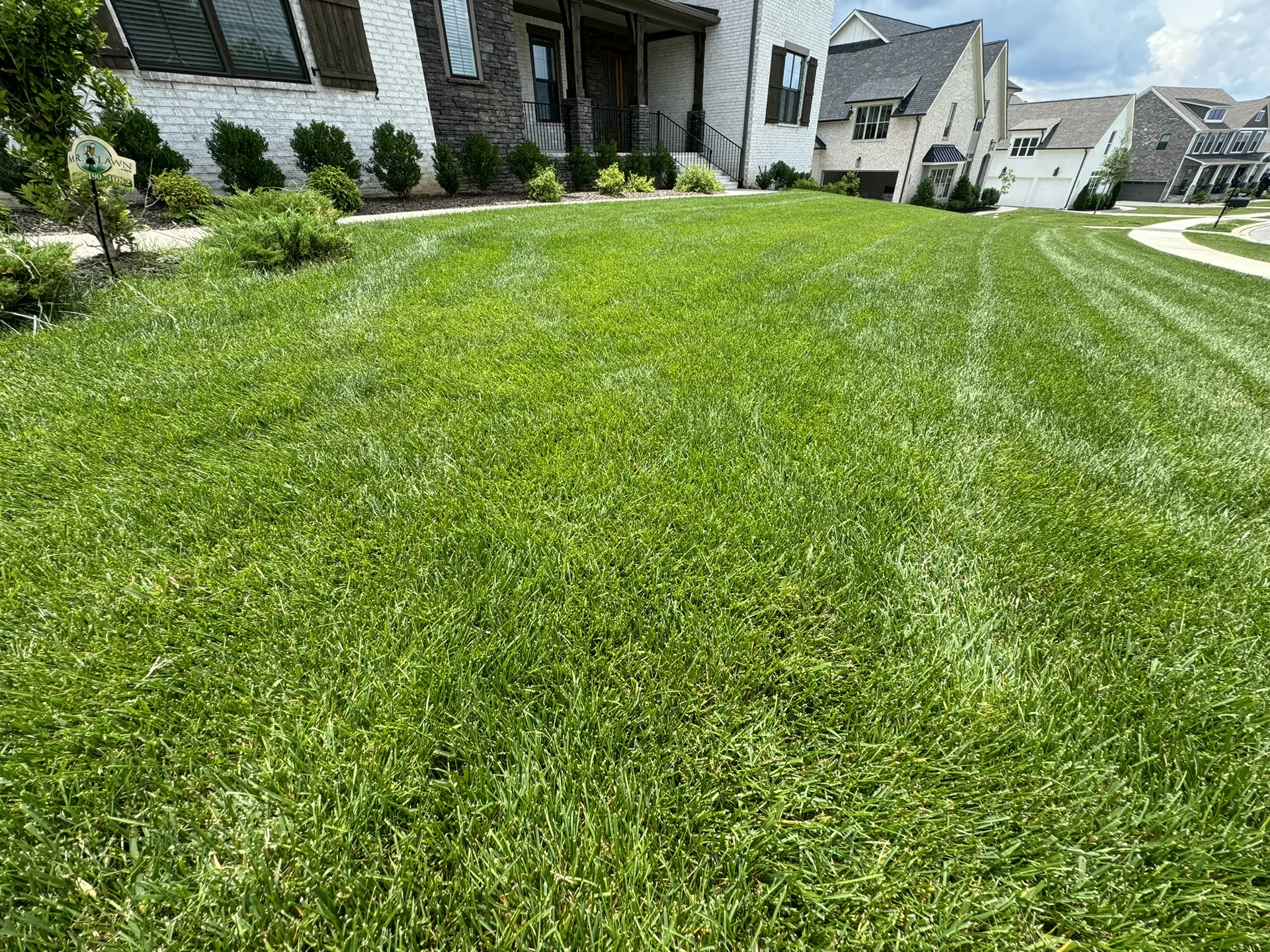
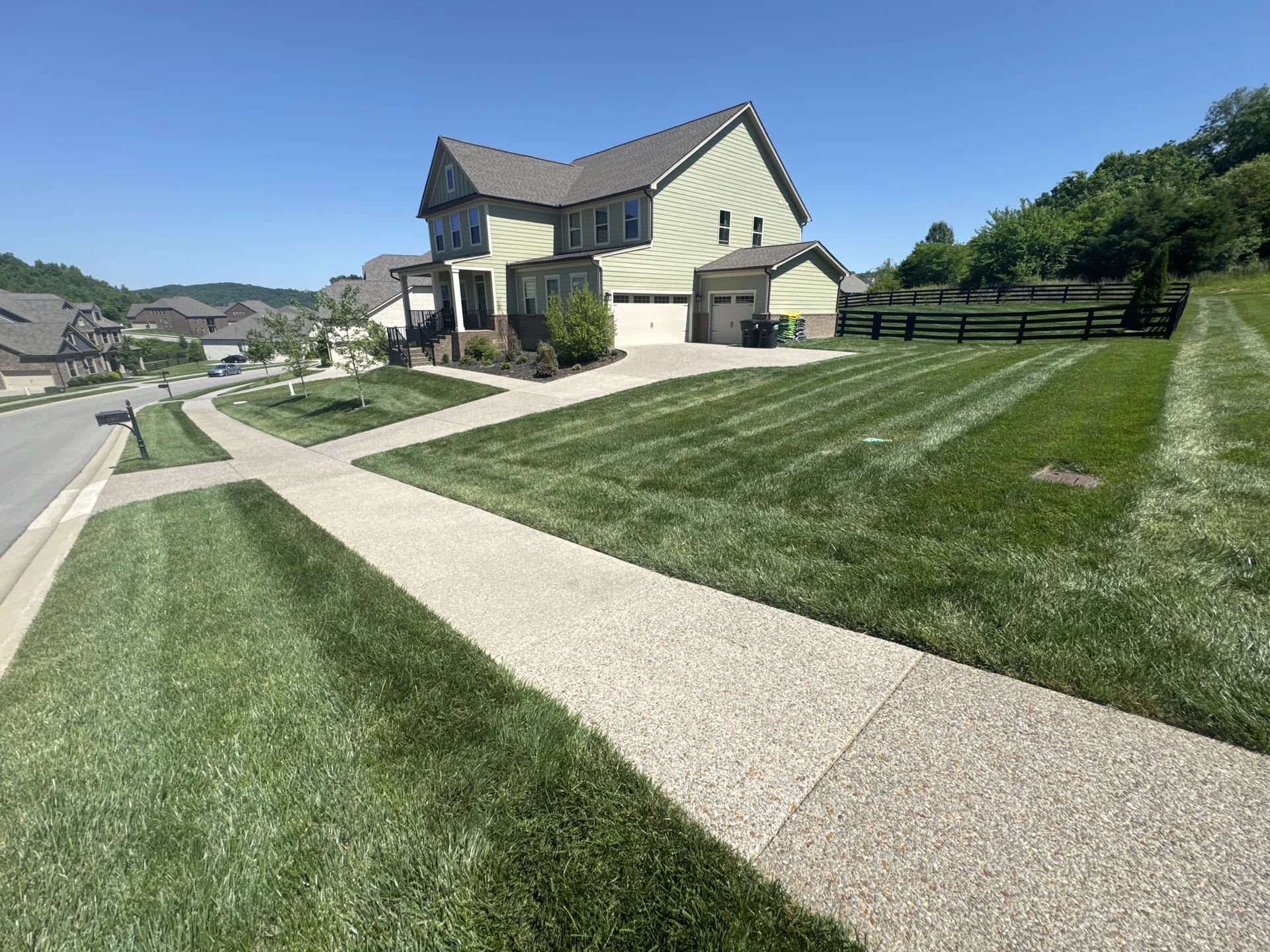
Most companies, and even DIYers with rental equipment, run their aerators in circles, which leaves an uneven spread of holes. I use a commercial aerator in a precise 45-degree diamond pattern with parallel passes. This mathematically creates more holes per square foot for better seed-to-soil contact. The result in your Neapolis yard is a uniform germination pattern that looks intentional and professional, not patchy. This technique is especially critical on our heavy clay soils, where ensuring that seed has every possible chance to reach moist soil is the difference between a thick lawn and a costly callback for me.
Seed Science, Not Guesswork
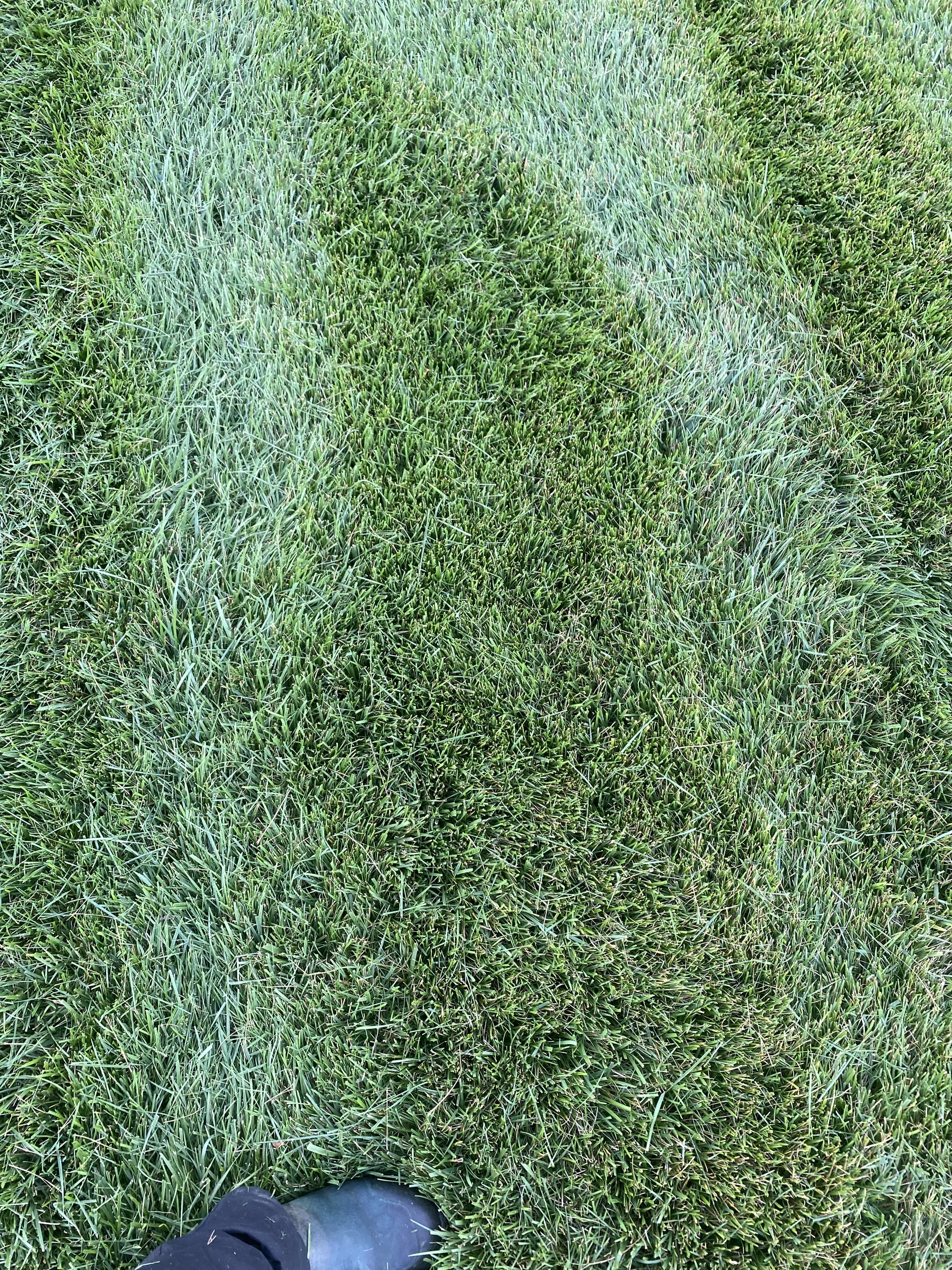
The seed I use is the other half of the equation, and it's nothing like what you'll find at a big box store or what many contractors use. I source Sod Quality Certified seed, the highest purity level available, which undergoes multiple field inspections to ensure it's virtually free of weed contaminants like dallisgrass. My blend is specifically crafted from university research trials for our climate: cultivars selected for summer drought tolerance, fall establishment vigor, and disease resistance to problems like brown patch. I also include a small percentage of Kentucky bluegrass, which helps the lawn self-repair from damage and acts as a firebreak against disease spread. This is the same blend used by sod farms, so it integrates seamlessly whether you have an older lawn near the rural properties or a newer one needing a full start.
Timing Is Everything
Everyone in our area waits too long, often until October, to think about seeding. By then, you've missed the ideal window. Seed needs time to germinate and establish its root system before winter. I schedule these services for late summer and early fall because the seed will use its internal resources to grow; by the time it needs to pull nutrients from the soil, the cooler, favorable fall weather has arrived. For homes that host frequent gatherings or have kids practicing sports daily, this fall aeration and seeding is the single best investment for a resilient lawn next year. For most other lawns in Neapolis, doing this every two to three years as part of a consistent care plan is enough to maintain a thick, healthy stand of grass.
Why Aeration Matters in Neapolis
Middle Tennessee fescue lawns thin every single summer. The combination of heat stress above 90°F and the region's persistent fungal pressure — brown patch and dollar spot thriving in our humid, dew-soaked conditions — means fescue loses density every year without exception. That thinning is why annual overseeding is not optional here; it is essential maintenance. Core aeration is the best way to prepare for fall overseeding without damaging the existing grass stand, and fall is when fescue naturally wants to recover and grow. The clay soils throughout Maury, Williamson, and Davidson counties do compact and benefit from the physical channels aeration creates, but the real Middle Tennessee reason to aerate is to set up the best possible overseeding result.