Aeration for Columbia Homeowners
If your yard along West 7th Street looks thin and patchy by July, you know the frustration. In Columbia, that’s not just summer heat, it’s our underlying soil compaction and the wrong seed from years past finally showing its weaknesses. I don’t sell aeration as a magic fix, because alone, it isn’t one for most homes.
You’ve probably seen the ads: “Aerate your lawn for a thicker, healthier yard!” The truth is simpler. A core aeration in spring will green up your tall fescue for a few weeks, but it won't change what you see in July’s heat. In Columbia, where newer neighborhoods like The Reserve at Bigby Creek have gravel subsoil and older areas like Polk Place deal with mature tree roots, compacted layers prevent water and nutrients from reaching deep. Aeration opens that up, but the real, lasting change comes only when you pair it with the right seed at the right time.
Why I Pair It With Seeding
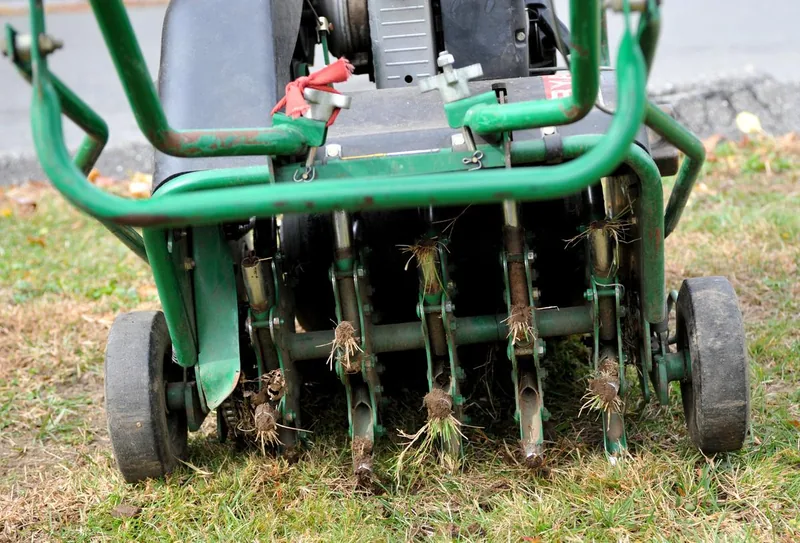
I offer aeration to nearly every customer, but I schedule it for late summer and fall, and only with overseeding. The mechanical holes are the most practical way to get seed-to-soil contact without tearing up your existing grass. For a kid’s soccer practice area in Ashwood Park or a backyard hosting regular gatherings, that seed-to-soil contact is critical. It ensures germination even where leaves or Bermuda grass cover the soil. My method uses parallel passes at a 45-degree diamond pattern for more holes per square foot, leading to uniform growth instead of the spotty results you get from the tow-behind aerators sold at big box stores.
The Seed Is What Lasts
The aeration is just the delivery system. The seed is the cure. I source Sod Quality Certified seed, the same standard used by sod farms, because I’ve seen what cheap contractor mix or Kentucky 31 does to Columbia lawns. Those blends are riddled with weed seeds like dallisgrass and Johnson grass, problems that take years to fix. My blend is built from university research for our area, mixing cultivars that excel in spring green-up, summer drought tolerance, and fall recovery. With the city's upcoming water rate increases, choosing grass that uses water efficiently is more important than ever.
Your Timeline for Success
Everyone wants to wait until October, but that’s too late. The seed needs to be down in September so it can germinate and establish before winter. I book these services in late summer for fall scheduling because I can only do a handful per day. If your yard along the Pillow Springs golf course has thin areas, the decision is simple. Look at it now. Do you have enough grass where you want grass? If not, we aerate and seed. If you do, you’ve just saved money this year. With a proper treatment plan, most lawns only need this service every two to three years.
Why Aeration Matters in Columbia
Middle Tennessee fescue lawns thin every single summer. The combination of heat stress above 90°F and the region's persistent fungal pressure — brown patch and dollar spot thriving in our humid, dew-soaked conditions — means fescue loses density every year without exception. That thinning is why annual overseeding is not optional here; it is essential maintenance. Core aeration is the best way to prepare for fall overseeding without damaging the existing grass stand, and fall is when fescue naturally wants to recover and grow. The clay soils throughout Maury, Williamson, and Davidson counties do compact and benefit from the physical channels aeration creates, but the real Middle Tennessee reason to aerate is to set up the best possible overseeding result.
Columbia Neighborhoods We Serve
We provide core aeration & liquid aeration service to all Columbia neighborhoods, including:
AntrimArden VillageArmstrong MeadowsAutumn RidgeBradford PlaceCamelotCarter's Creek StationClaremontSagewood EstatesShenandoahCountry Valley EstatesCreekstoneCriddle MeadowsRiversideFox Run+6 more