About Wild Violet
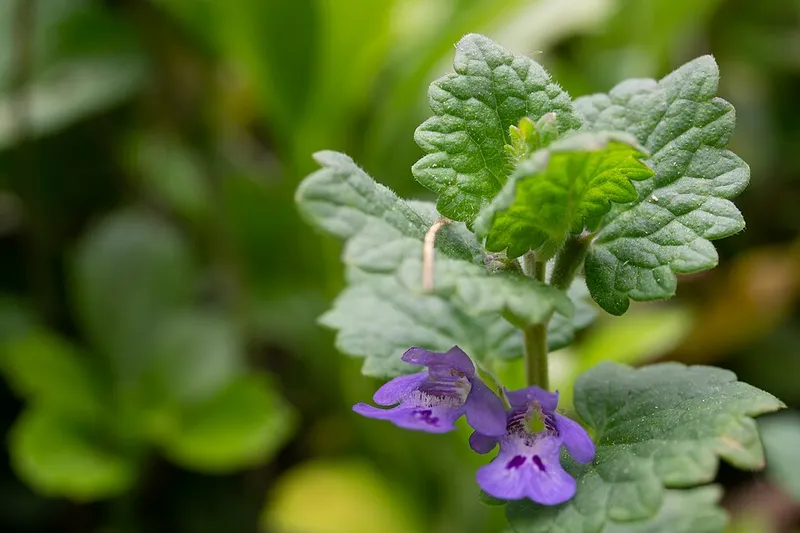
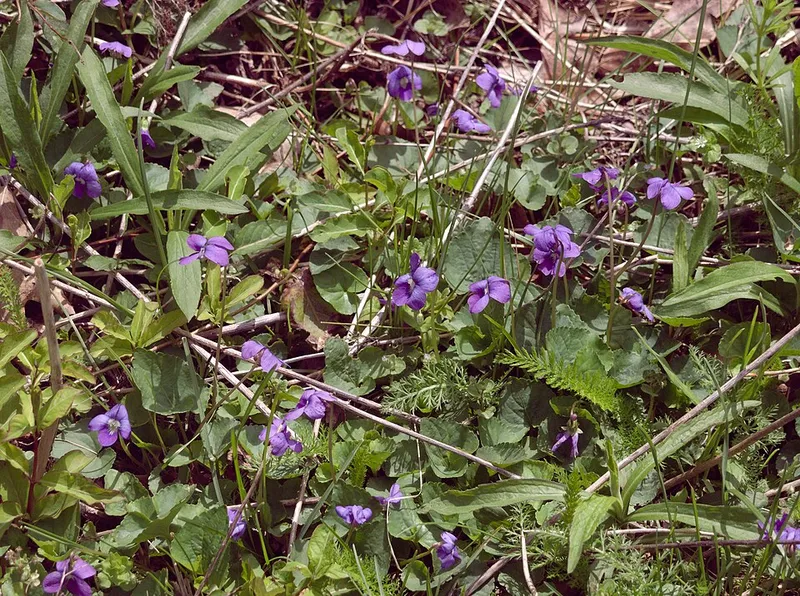
Wild violet (Viola sororia) is a perennial broadleaf weed that is concentrated in Franklin, Belle Meade, and older Brentwood neighborhoods, and is far less common in Spring Hill or Columbia. The geographic pattern is not random. Decades ago, nurseries in the Nashville area were riddled with wild violet seeds. Affluent neighborhoods planted heavily, annual flowers, mondo grass, mailbox plantings, landscape beds, all bringing in contaminated nursery stock. Less planting in less affluent areas meant less wild violet introduction. The result is a weed whose distribution tracks neighborhood wealth and planting history from the 1980s and 1990s.
Wild violet is native to eastern North America, so it is not technically invasive, but it behaves invasively in managed lawns. It tolerates both shade and sun, spreads by both seed and rhizome, and its waxy cuticle on the leaf surface makes herbicide penetration very difficult. This waxy coating is the primary reason most lawn care companies cannot control wild violets. The herbicide beads up on the leaf and rolls off before it can penetrate and translocate.
The approach that works requires discipline across two treatment windows. You treat in the spring and again in the fall, using products specifically labeled for wild violet control, applied multiple times per year. Most of these products cannot be used in the heat of summer, they cause phytotoxic damage to tall fescue when temperatures are high. This means your treatment window is essentially spring (before it gets hot) and fall (after it cools down), and Middle Tennessee fall temperatures can swing between 70 and 90 degrees in September, so you need to pick your days carefully using historical weather data.
Calibration is non-negotiable. The products that effectively penetrate wild violet waxy leaves have a narrow effective rate window, too little and the herbicide beads off, too much and you burn your fescue. Being calibrated is the first step, and then timing your applications using weather data is the second.
For homeowners who sign up for a treatment plan mid-year, say June or July, wild violets cannot be truly controlled in that first season. What we do instead is spot-treat for cosmetic suppression during summer visits so the customer does not see them. Real control begins on the next spring-fall cycle. After two to three consecutive years of disciplined spring and fall treatment, wild violets can be fully eliminated from a property.
Belle Meade has the worst wild violet infestations of anywhere in our service area, by far. This is a direct consequence of the heaviest nursery-stock planting, the oldest established landscapes, and decades of wild violet seed accumulation in the soil.
Quick Facts
- Common Name
- Wild Violet
- Scientific Name
- Viola sororia
- Type
- Turf Weed
- Region
- Middle Tennessee