Chemical / Herbicide Burn
N/A
About Chemical / Herbicide Burn
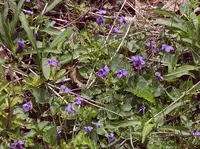
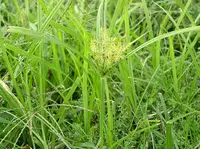
Chemical or herbicide burn — also called phytotoxicity — happens when a lawn care product damages the desirable grass it was supposed to protect. In Middle Tennessee, this is almost always caused by one of three things: wrong rate, wrong temperature, or wrong formulation. Ester-based herbicide formulations are more effective than amine-based formulations on tough weeds, but they are also more volatile. When applied in warm weather, the chemical composition can change enough to cause damage to fescue even though the active ingredient is supposed to be selective for broadleaf weeds only. This is why the most effective products for wild violets, Virginia buttonweed, and nutsedge cannot be applied during summer heat — the volatility risk to fescue is too high. Treating these weeds in cool spring or fall temperatures (below about 80 degrees) dramatically reduces phytotoxicity risk. The most common DIY herbicide mistake involves 2,4-D, which is found in practically every granular and liquid combo herbicide at big-box stores. The label maximum is two blanket applications per year with at least thirty days between them. Homeowners routinely exceed this because they apply a weed-and-feed product and then spot-spray with a separate liquid that also contains 2,4-D, unknowingly doubling their annual application count. There is also a safety concern with 2,4-D that most homeowners do not know about: morning dew causes it to re-suspend on grass blades, making it dislodgeable again. Morning samples show five to ten times more dislodgeable residue than afternoon samples, persisting for at least six days after application. It comes off on shoes, bare feet, pet paws, and children walking to the school bus. Calibration prevents most herbicide burn incidents. Using the labeled rate — not more, not less — with a calibrated sprayer at the right temperature window is the entire formula. Under-application is also a problem: EPA studies show that 2,4-D at the correct labeled rate actually kills fewer soil bacteria than below-label rates.
Chemical / Herbicide Burn (N/A) is an abiotic disorder — a non-living, environmental cause of plant damage — commonly encountered in Middle Tennessee, including Columbia, Thompson's Station, Spring Hill, and the surrounding areas. This entry is part of our Abiotic Disorders Library.
Unlike diseases caused by fungi or bacteria, abiotic disorders cannot be treated with pesticides. Correct diagnosis is essential — our UT Certified Lawn Care Professional can evaluate your lawn or landscape and recommend the right corrective action.
Quick Facts
- Common Name
- Chemical / Herbicide Burn
- Scientific Name
- N/A
- Type
- Abiotic Disorder (Non-Living Cause)
- Region
- Middle Tennessee