Weed Control for Culleoka Homeowners
In Culleoka, your lawn fights an uphill battle. Your large, sunny lot borders hay fields and pastures full of weed seeds that blow in. You might see crabgrass and clover taking over by June and wonder why the stuff from the big box store never keeps it clean. The problem isn't your effort; it's your timing.
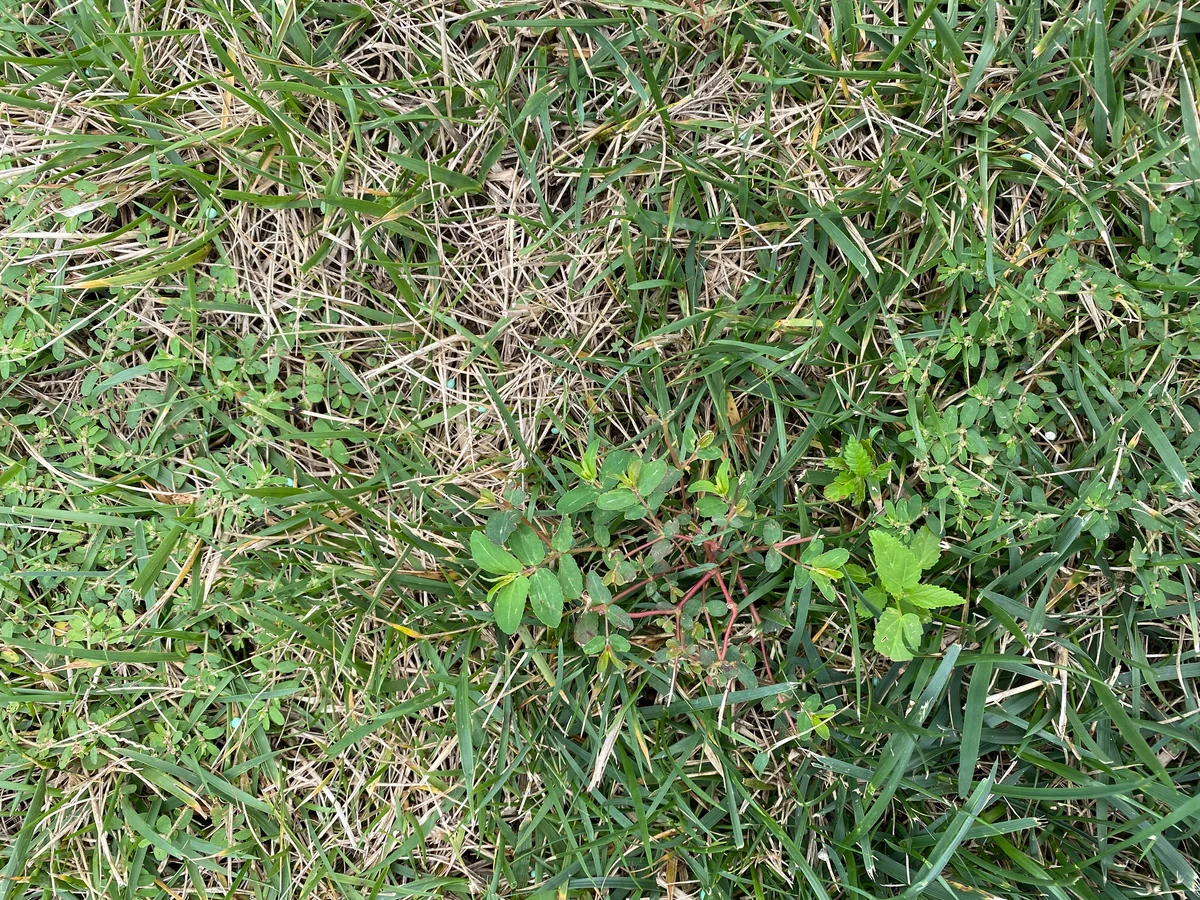
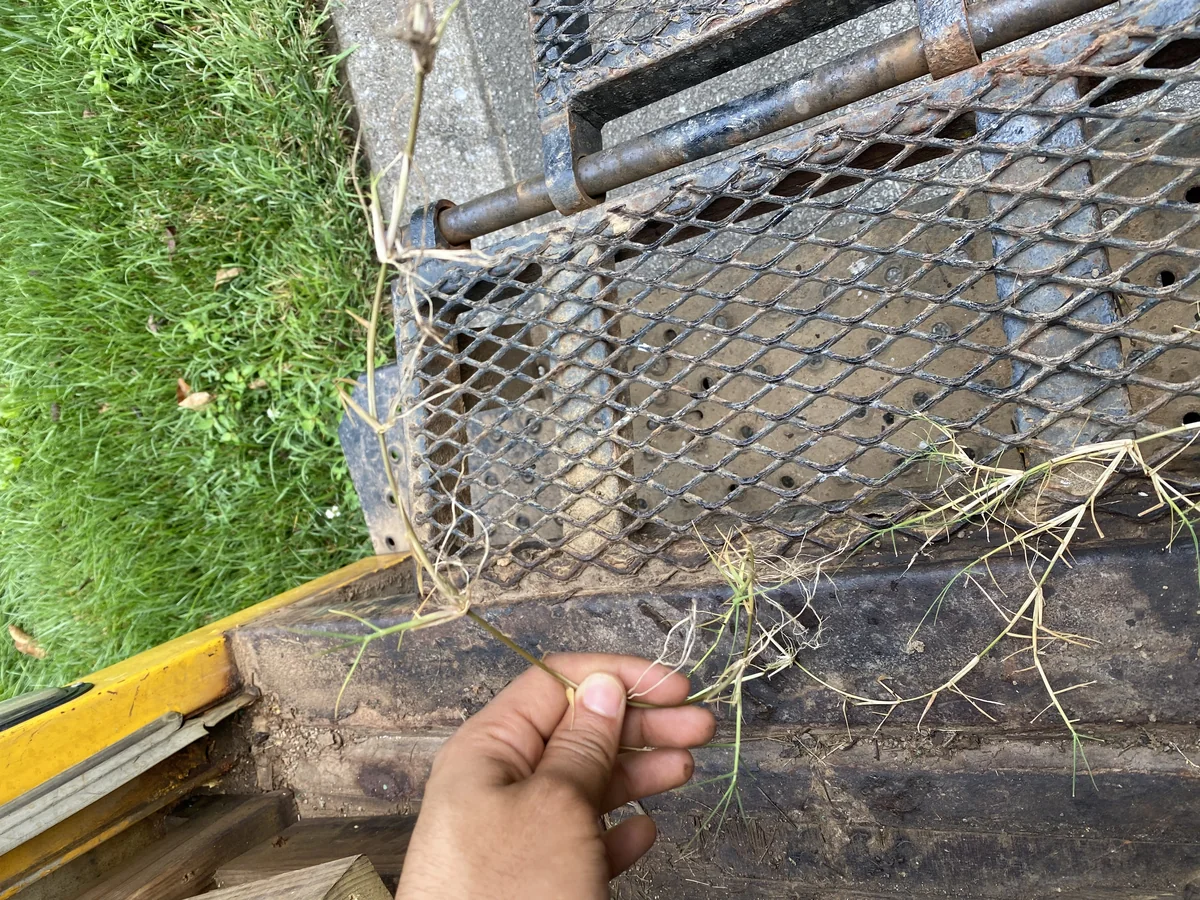
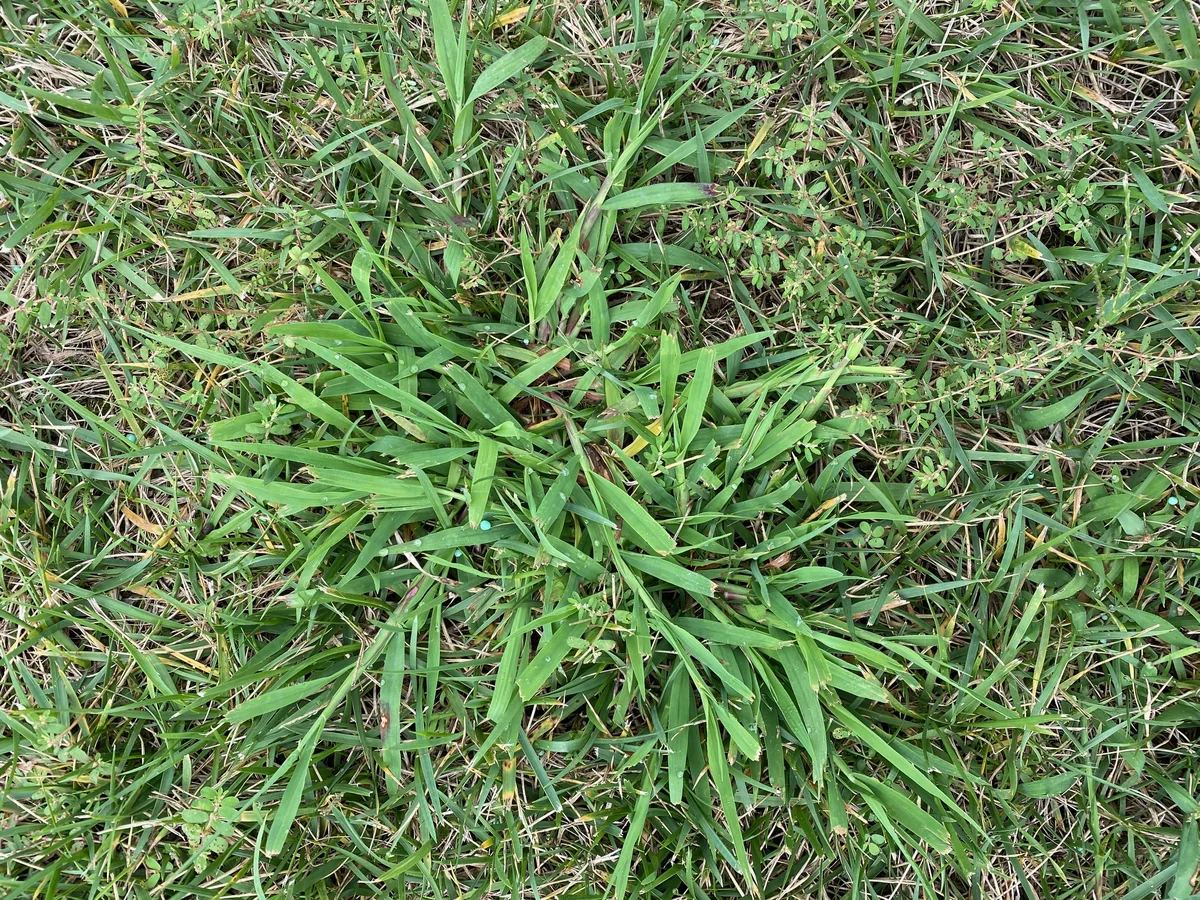
Out here, by the time you spot a weed problem from your back porch, it's often too late for a simple fix. That crabgrass you see in July actually germinated back in March, when our warm spurts wake up summer weeds long before the last frost. Dallisgrass and Johnson grass, often misidentified as crabgrass, blow in from neighboring fields and get a deep foothold. Most homeowners end up reacting in the heat, using products that can burn their fescue while barely scratching the surface of these perennial weeds. My job is to stop that cycle before it starts.
My February & March Pre-Emergent Shield
My first line of defense goes down in late winter. I use a pre-emergent herbicide that creates a protective film over your soil, stopping weed seeds from ever taking root. For Culleoka properties, especially those along the old railroad line or off Highway 50, this is critical to block the influx of seeds from agricultural land. This single step dramatically cuts down on the crabgrass, spurge, and other summer annuals you'd otherwise be fighting all summer. It's a low-toxicity approach that means less chemistry on your lawn overall and fewer worries for kids and pets playing in the yard.
The Hard Perennial Strategy: Dallisgrass & Nutsedge
The real challenge on larger Culleoka lots are the tough perennials like dallisgrass and yellow nutsedge. These aren't killed by a summer spray; they require a two-window strategy. I hit them in early spring while they're vulnerable and spending stored energy. Then, I apply the real kill shot in early fall, when they are pulling resources down into their roots for winter. The herbicide travels with those resources and damages the plant at its core. This takes 2-3 years of consecutive treatment, but it works without needing to burn ugly holes in your lawn with Roundup.
Why DIY Weed Control Fails Here
I see the same mistakes on properties near Culleoka Elementary or around the historic areas. Homeowners buy multiple products, not realizing they all contain 2,4-D. The legal limit is two blanket applications per year, but it's easy to over-apply unknowingly. Worse, after you spray, the next morning's dew reactivates the residue on the grass blades for days, making it far more likely to transfer to shoes, pets, and kids. My program uses calibrated equipment and follows label rates precisely, avoiding these risks. I time applications using historical weather data for our area, which lets me use safer, lower rates of chemistry when weeds are young and easier to control.
Why Weed Control Matters in Culleoka
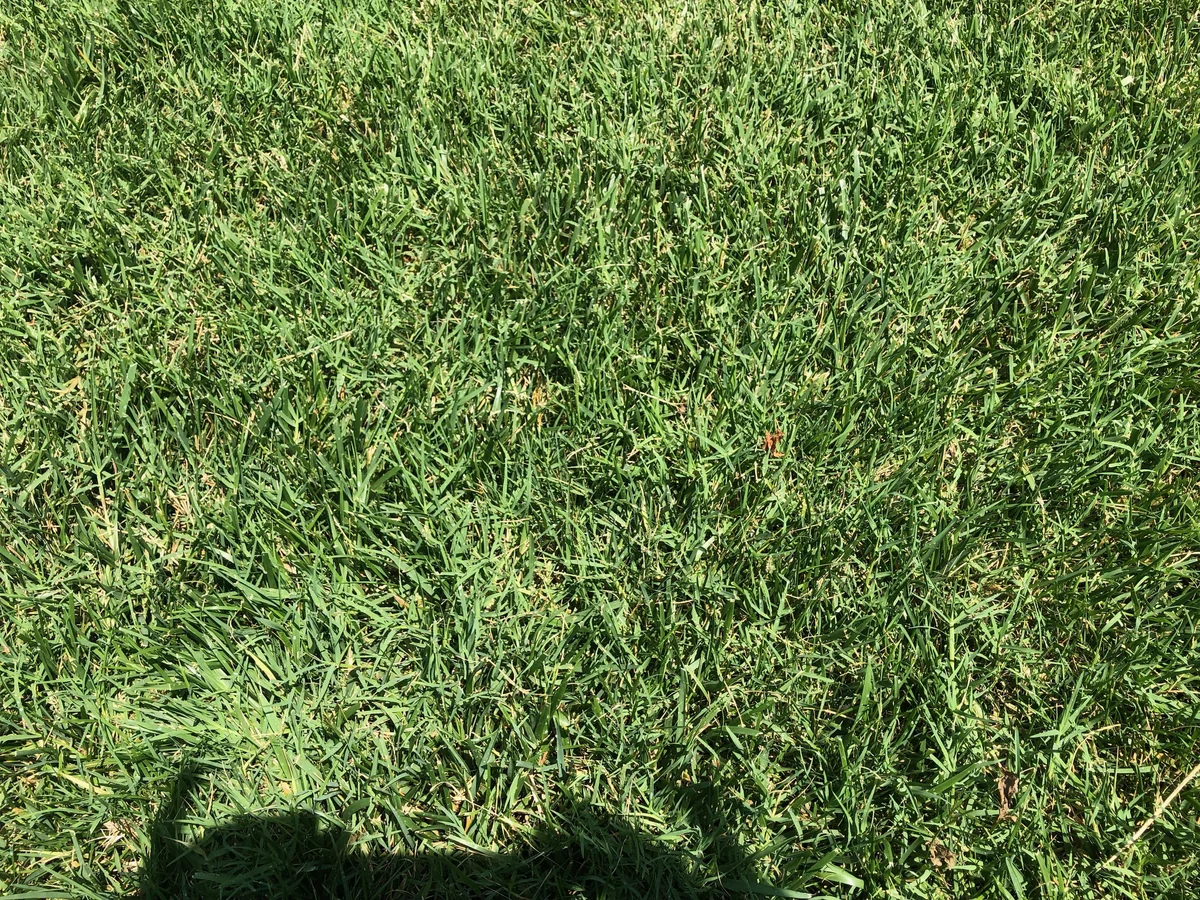
Middle Tennessee's transition zone climate means your fescue lawn competes with both cool-season and warm-season weeds. Crabgrass, goosegrass, and nutsedge thrive in our hot summers, while henbit, chickweed, and annual bluegrass invade during mild winters. The heavy clay soils throughout Maury and Williamson counties also create thin spots where weeds establish quickly. Our weed control program addresses this full spectrum of weed pressure with seasonally appropriate treatments.