Weed Control for Lynnville Homeowners
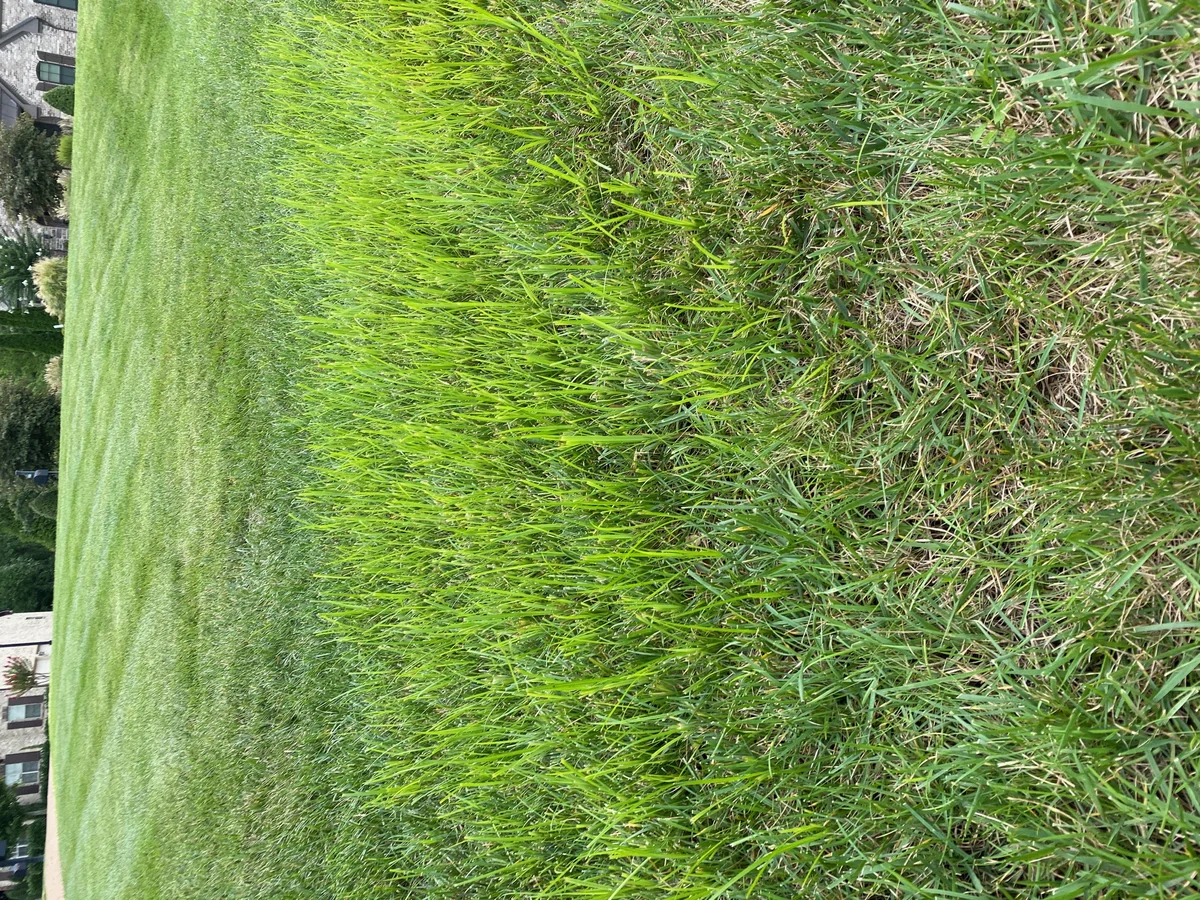
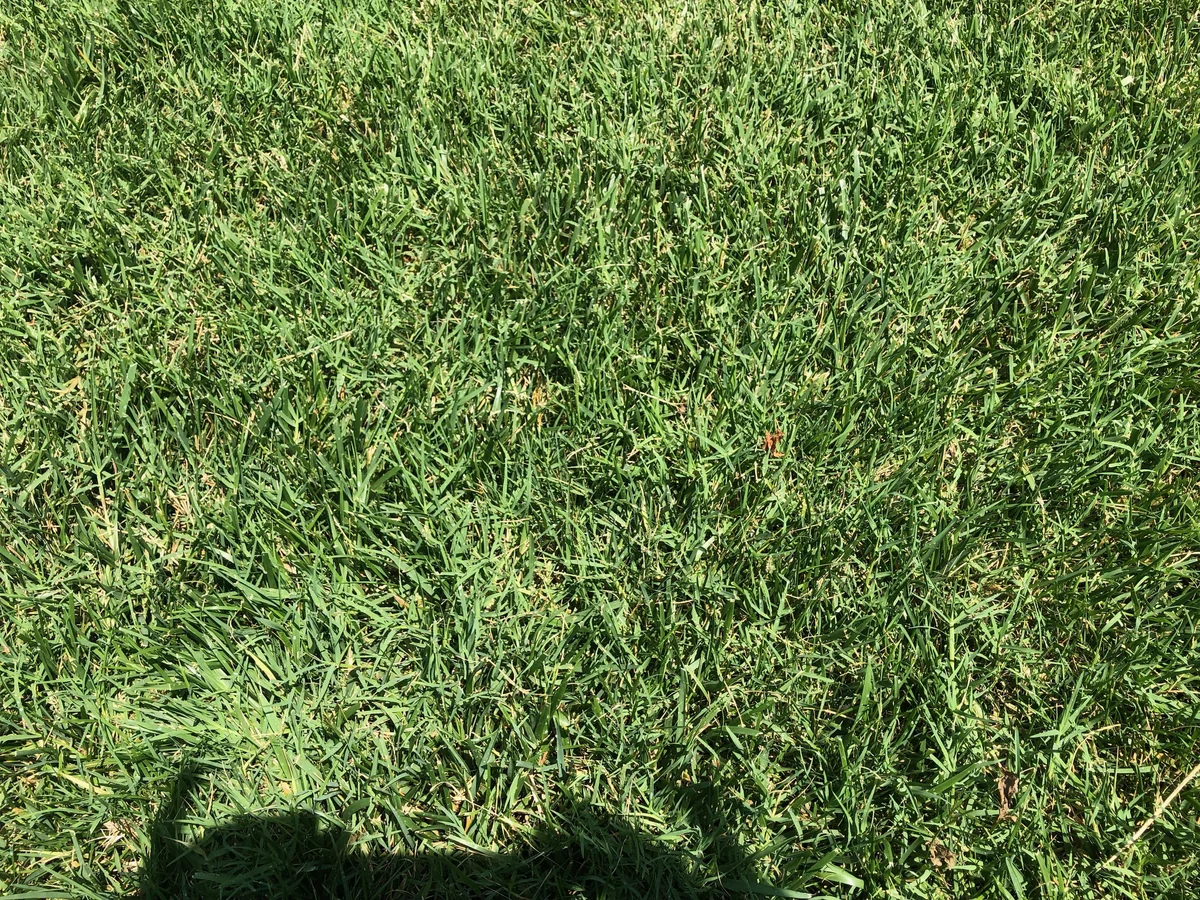
You're looking at your lawn in Lynnville and seeing a patchwork of clover, dandelion, and that wiry grass that isn't fescue. Out here, with lots bordering fields and pastures, wind and mowers bring in new weed seeds constantly. Controlling them feels like a never-ending battle you can't win.
Weed control in Lynnville isn't just about spraying what you see today. The real problem is the constant pressure from surrounding land. Your property near Keebler Road or up on the ridge sees new seeds blow in or get tracked in every time you mow the edge by a hay field. Most treatments are a temporary fix because they only address the weeds you can see right now, not the next wave already germinating in your soil. My approach stops that cycle before it starts.
The Lynnville Two-Punch Plan
My first move is a pre-emergent application in February and March. This creates a protective barrier in the soil that stops summer annual weed seeds, like crabgrass and spurge, from ever sprouting. This is critical for your larger, sun-exposed lots. Then, I come back in September and October with another application to stop winter weeds like Poa annua and chickweed. This gives you year-round coverage, drastically cutting down on the need for reactive sprays. It’s a low-toxicity, proactive defense that works with our climate, stopping weeds before they ever become a visible problem you have to Google.
Tackling Tough Invaders
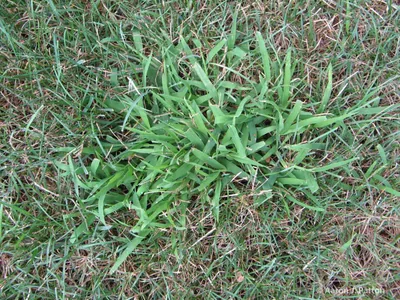
For the perennial weeds that have already taken hold, like dallisgrass or Johnson grass, timing is everything. These are often misidentified as crabgrass, and they’re a common sight in our area, especially where construction straw or older grass blends were used. Spraying them in the heat of summer only burns the tops and makes your fescue look bad. The real control happens when you weaken them in spring and then deliver a knockout treatment in early fall as they pull resources down into their roots. This method, repeated over 2-3 years, actually kills them without leaving dead spots in your lawn.
Why DIY Falls Short Here
The big-box store mixes almost all contain 2,4-D, and the legal limit is two full applications per year. It’s easy to overapply it unknowingly with different products. Plus, the dew we get every night in Lynnville, which lingers until mid-morning off Old Highway 31, can reactivate chemical residue for days, increasing transfer to pets and family. My program uses calibrated equipment and a schedule built on historical weather data for our area. This allows me to use safer chemistries at lower rates by treating early, often before you even see the weeds. You get real control without the guesswork or risk.
Why Weed Control Matters in Lynnville
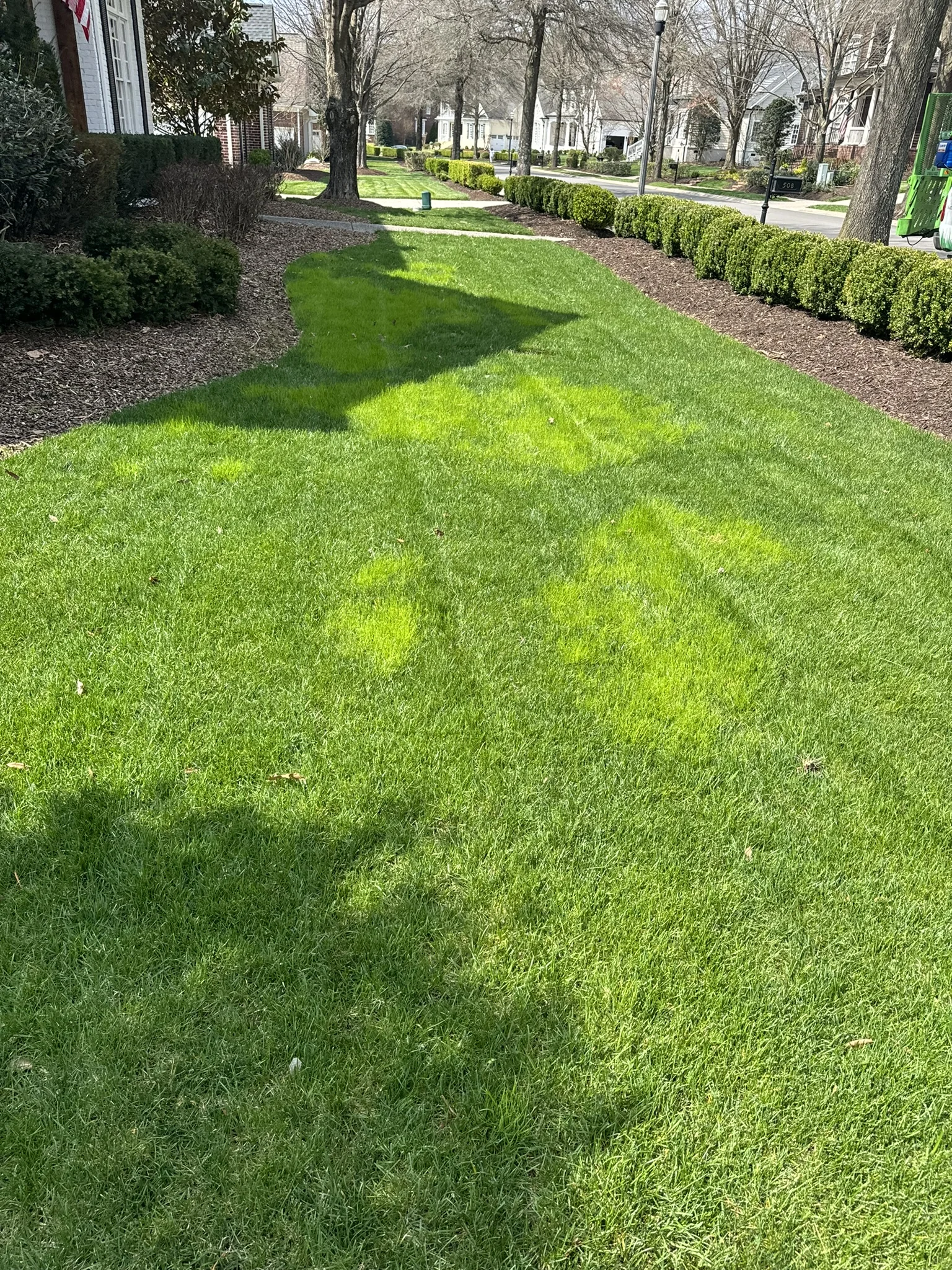
Middle Tennessee's transition zone climate means your fescue lawn competes with both cool-season and warm-season weeds. Crabgrass, goosegrass, and nutsedge thrive in our hot summers, while henbit, chickweed, and annual bluegrass invade during mild winters. The heavy clay soils throughout Maury and Williamson counties also create thin spots where weeds establish quickly. Our weed control program addresses this full spectrum of weed pressure with seasonally appropriate treatments.