Weed Control for Pulaski Homeowners
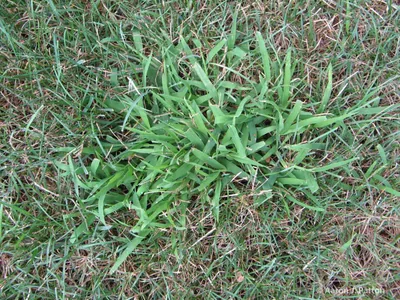
In Pulaski, you're tired of watching crabgrass and dallisgrass take over your yard every summer. You try to keep up, but between the humidity and our clay soils, the weeds just seem to win. You need a plan that actually works for the long haul, not just a quick fix that washes away.
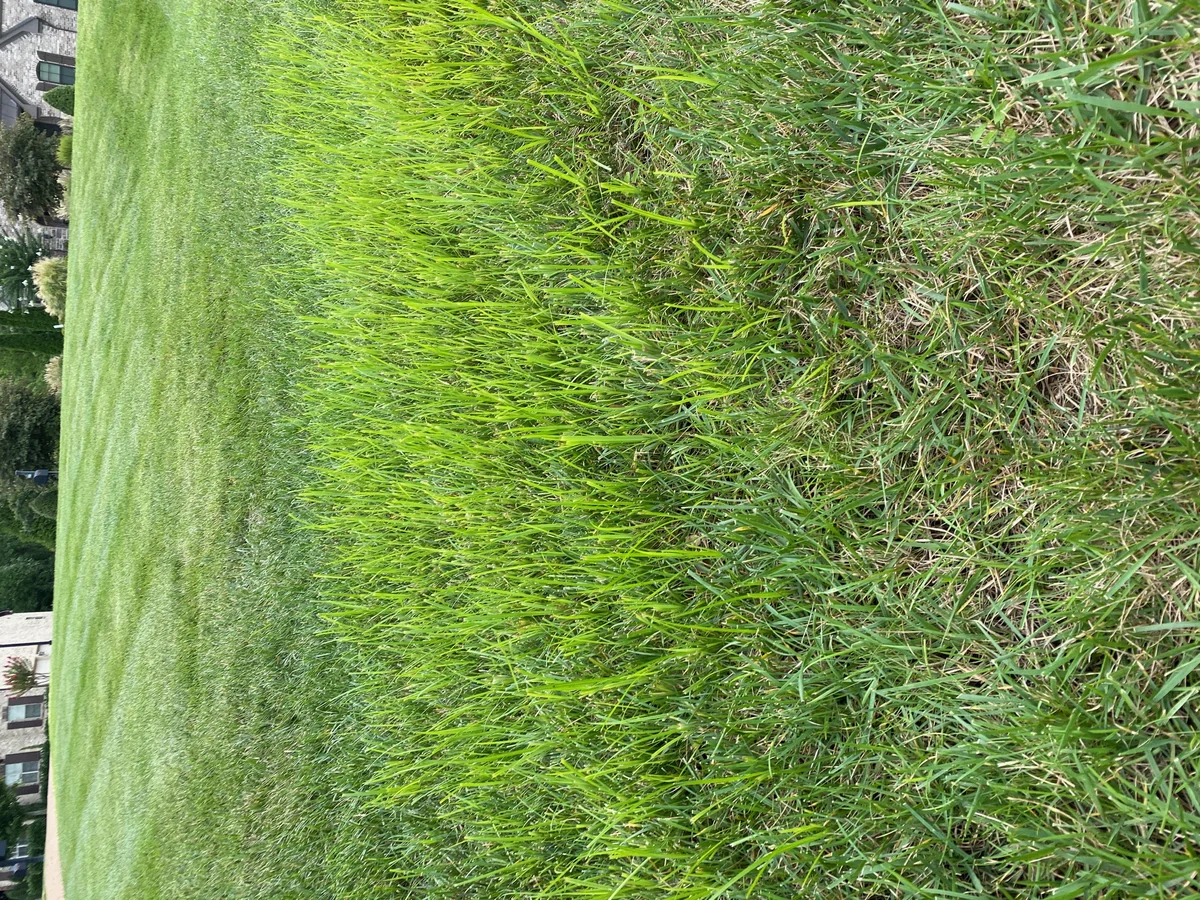
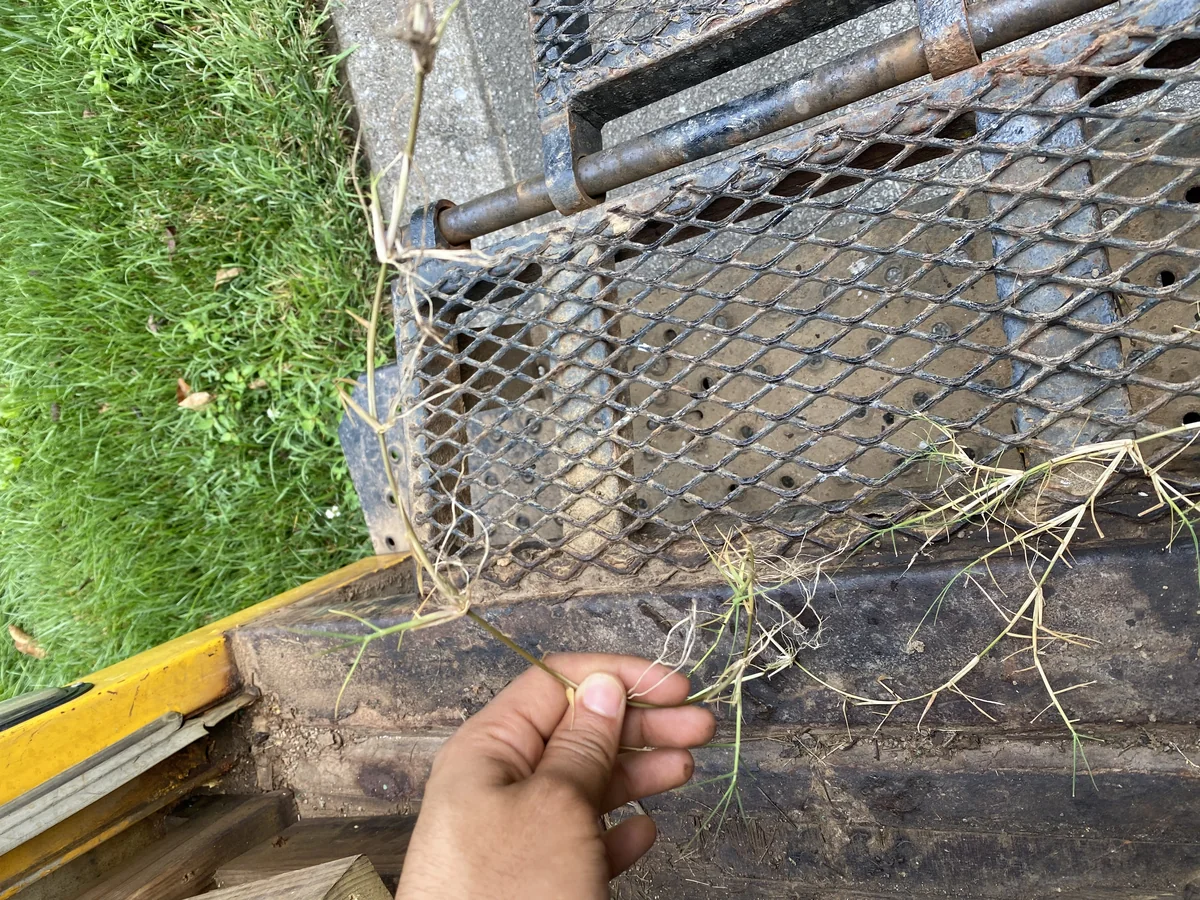
I see it in Pulaski all the time. Homeowners along East Madison Street or out in the Lynnville area get frustrated when their mower keeps catching on those tough, wiry patches. They call it crabgrass, but it's usually dallisgrass or Johnson grass, perennial weeds that came in years ago with construction straw or cheap seed. By the time you see them at mowable height in June, they've already been stealing nutrients from your fescue since last year. My approach is different. I don't wait. I start targeting these perennials in early spring, using historical weather data to apply safer chemistries when they're vulnerable, long before they become a visible problem.
The Pulaski Perennial Problem
Your large, sunny lots bordering pastures mean weed seed pressure is constant. Perennial weeds like dallisgrass and common Bermuda thrive here. The mistake most make is trying to spray them in the summer heat. By then, the plant is at peak growth and can bounce back, plus the heat makes effective chemistries volatile and risky for your fescue. I fight these weeds on their schedule, not yours. For perennials, the real control windows are spring and fall. A spring treatment weakens them as they spend stored resources. Then, a late-summer or early fall application delivers the kill shot, as the weed pulls herbicide down into its roots while preparing for dormancy. This two-window strategy, repeated for 2-3 years, is how you eliminate them for good without burning holes in your yard.
Stopping Weeds Before They Start
For annual weeds like crabgrass, chickweed, and spurge, prevention is everything. If you're seeing them, you're already behind. I put down my first pre-emergent pass in late February or March, well before the last frost risk around the courthouse square. This creates a protective film that stops seeds from germinating all summer. The second pass goes down in September and October to block winter annuals like Poa annua. This year-round coverage means you need far fewer post-emergent sprays, which lowers the total chemical load on your lawn and reduces risk for your family and pets. It's a smarter, more effective system built for our climate.
Why DIY Plans Fail Here
Our heavy clay soils in Giles County hold moisture, which is great for weeds but tricky for DIY sprays. The bigger issue is product overload. Practically every big-box weed killer contains 2,4-D. The legal limit is two blanket applications per year, but most homeowners unknowingly apply it four or five times because they buy different products throughout the season. After you spray, the next morning's dew reactivates the residue for days, increasing the chance of tracking it inside. My program is calibrated. I use precise rates and select chemistries based on the temperature window, like choosing between ester and amine formulations, to get results without the collateral damage. You get control without the guesswork.
Why Weed Control Matters in Pulaski
Middle Tennessee's transition zone climate means your fescue lawn competes with both cool-season and warm-season weeds. Crabgrass, goosegrass, and nutsedge thrive in our hot summers, while henbit, chickweed, and annual bluegrass invade during mild winters. The heavy clay soils throughout Maury and Williamson counties also create thin spots where weeds establish quickly. Our weed control program addresses this full spectrum of weed pressure with seasonally appropriate treatments.