Aeration for College Grove Homeowners
You know that strip of grass between the sidewalk and the road in your neighborhood? Or the lawn by your new driveway in The Estates at College Grove? That's where your fescue thins out and browns up first every summer. The real problem isn't just the heat; it's the soil beneath it. New construction leaves behind gravel mixed into the topsoil, creating a hot, shallow layer where grass roots can't survive July in Tennessee. A simple aeration can't fix that. My core aeration service is designed specifically to overcome these College Grove conditions, but only when it's paired with the right seed.
If you’re seeing Bermuda grass take over along your driveway or dallisgrass popping up from contaminated straw used during construction, a standard aeration alone won’t change that. The shallow, gravel-laden soil common in areas like Westbury and along the new construction corridor near Peytonsville Road gets too hot and compacted for fescue roots to thrive. My service directly addresses this by mechanically pulling cores to break up that compacted layer, creating channels for air, water, and new roots. But here’s the critical part for College Grove: I only perform core aeration when I'm overseeding. The holes are my guaranteed method to get quality seed in direct contact with your soil, past the thatch and debris, ensuring it takes root where your current grass is failing.
Why Seed Selection is Everything Here
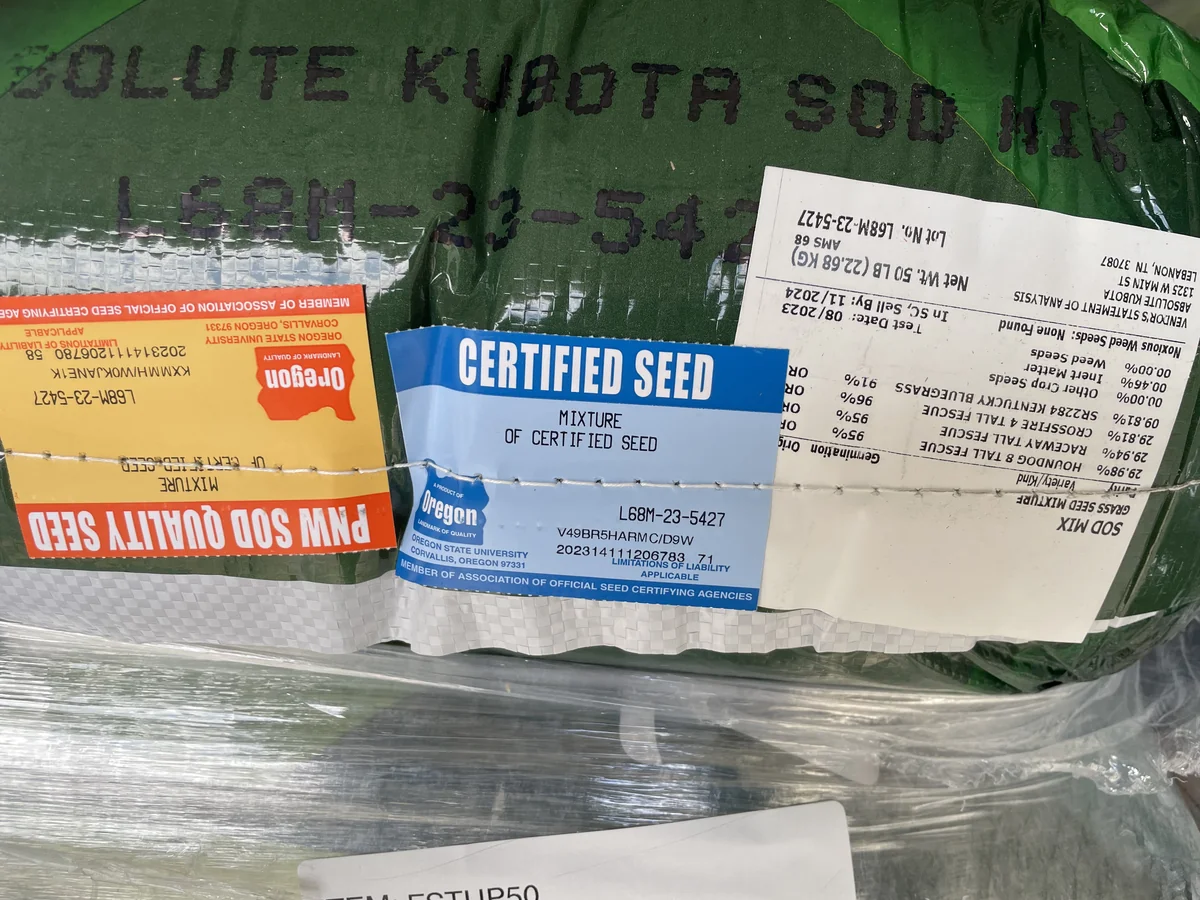
The wrong seed will doom you from the start. I've seen lawns in The Grove at College Grove ruined by "contractor mix" or cheap Kentucky 31, which is often full of weed seeds like dallisgrass. That's a problem that takes years to fix. I build a custom blend each year based on university research trials for our climate. I choose specific varieties that excel in summer drought tolerance, fall establishment, and spring green-up. This seed is lab tested to the highest "Sod Quality" certification, meaning it has zero tolerance for noxious weeds. When I drop this seed directly into the aeration holes, you're not just filling thin spots; you're upgrading the genetic makeup of your entire lawn to withstand our tough summers.
The Diamond Pattern Difference
Most companies, and even DIYers with rented equipment, run their aerators in circles. This creates an uneven pattern, fewer holes on the outside, more on the inside, leading to patchy germination. For your lawn, I make two passes in a 45-degree diamond pattern. This mathematically creates more holes per square foot and a uniform grid for the seed to land in. The result is even, consistent growth without weird stripes or clumps. It’s an aesthetic detail that matters, especially for the larger, visible estate lots in this area. My goal is a seamless, thick lawn, not one that looks like it was patched.
Timing is the other major factor everyone in Williamson County gets wrong. The best window for seeding here is September, but everyone waits until October. Seed needs time to germinate and establish before winter. If I seed your property on a favorable October day, the seedlings won't be strong enough by the first frost risk around October 10th. That's why I schedule these services in late summer for fall completion. By addressing soil compaction with core aeration and introducing superior, clean seed at the right time, we build a lawn with deeper roots that can finally handle the shallow, hot soils of your College Grove property.
Why Aeration Matters in College Grove
Middle Tennessee fescue lawns thin every single summer. The combination of heat stress above 90°F and the region's persistent fungal pressure — brown patch and dollar spot thriving in our humid, dew-soaked conditions — means fescue loses density every year without exception. That thinning is why annual overseeding is not optional here; it is essential maintenance. Core aeration is the best way to prepare for fall overseeding without damaging the existing grass stand, and fall is when fescue naturally wants to recover and grow. The clay soils throughout Maury, Williamson, and Davidson counties do compact and benefit from the physical channels aeration creates, but the real Middle Tennessee reason to aerate is to set up the best possible overseeding result.