Mole Trapping for College Grove Homeowners
If you're seeing raised, winding tunnels along your driveway or dirt mounds around the base of your oaks in College Grove, you know the frustration. In our newer neighborhoods like Rippavilla Farms or The Grove, builders often plant trees too deep, creating a hidden problem that attracts moles. Let's talk about why they're here and how to get them gone for good.
Here in College Grove, mole damage follows a clear pattern, especially in areas with newer estate lots or around established properties off Peytonsville Road. You'll spot surface tunnels most often running alongside your concrete walkways, pool deck, or driveway edge. That's because when a mole hits that solid barrier, it has nowhere to go but alongside it, turning that border into a permanent highway. The dirt mounds you see, often around trees, happen when they hit shallow limestone or a large root and need to push the displaced soil upward. This isn't random; it's a sign of what's happening below.
The Real Culprit Is Tree Stress
The common answer is grubs attract moles, but that's only half the story. In our region, a mole infestation almost always starts with a stressed tree nearby. In neighborhoods built five to eight years ago, like many in College Grove, builders frequently planted trees too deep. A tree stressed from deep planting, storm damage, or over-pruning undergoes a biological change. It softens its roots, which becomes a buffet for white grubs. Those grubs then attract moles. So, while we trap the moles, the long-term fix requires addressing that underlying tree health issue to break the cycle.
Why Killing One Mole Isn't Enough
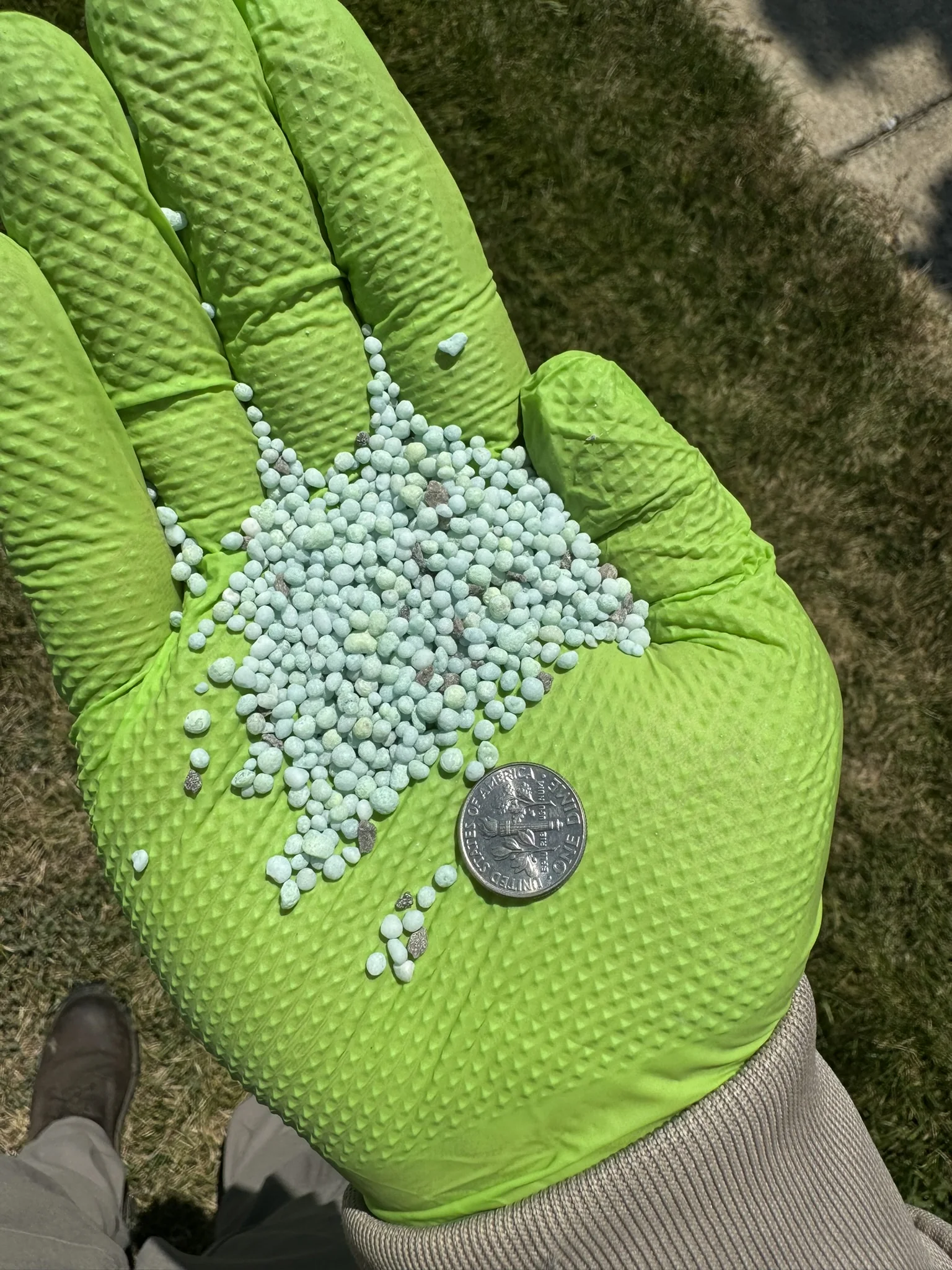
Moles are fiercely territorial. If I simply trap and remove the mole in your yard, its vacant tunnel network becomes prime real estate. A mole from your neighbor's property will patrol, find the empty tunnels, and move right in, inheriting a pre-dug food delivery system. That's why DIY efforts or one-off trapping often fail within weeks. My protocol addresses this directly. First, I use safe, in-tunnel traps to remove the current moles. Then, I apply a grub control to disincentivize new ones and place specific materials in the tunnels to deter that next opportunistic mole from taking over the territory.
A Safe, Effective Trapping Method
My approach prioritizes safety and effectiveness, especially important for families with kids and pets. I use completely buried, in-tunnel traps, marking them with small flags. I find the active runs by looking for tunnels that remain raised even after your mower tires have compressed the soil, or any tunnel directly against a hardscape is a guaranteed target. I practice strict scent discipline, changing gloves between traps, because human scent will make a mole avoid the area. Castor oil sprays or sonic spikes don't provide a reliable solution here; proven trapping coupled with addressing the root cause does.
Why Mole Trapping Matters in College Grove
Middle Tennessee's moist, loamy-clay soils are rich in earthworms and grubs, the primary food sources for moles. The region's abundant rainfall keeps soil moist and soft, making tunneling easy and productive for moles. Properties near wooded areas, creek banks, or with irrigated lawns are particularly attractive to moles. Grub control can reduce mole food sources, but trapping is necessary to remove moles already established on your property.