Weed Control for College Grove Homeowners
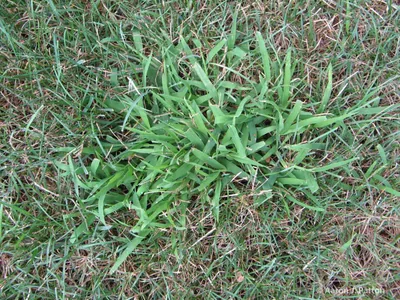
The new homes in College Grove are beautiful, but that "crabgrass" you see isn't what you think. In this area, dallisgrass and Johnson grass arrive hidden in construction straw, and shallow, gravelly soil along driveways creates the perfect hot spot for common Bermuda to invade your fescue. You're not fighting typical weeds; you're dealing with construction leftovers that are much harder to kill.
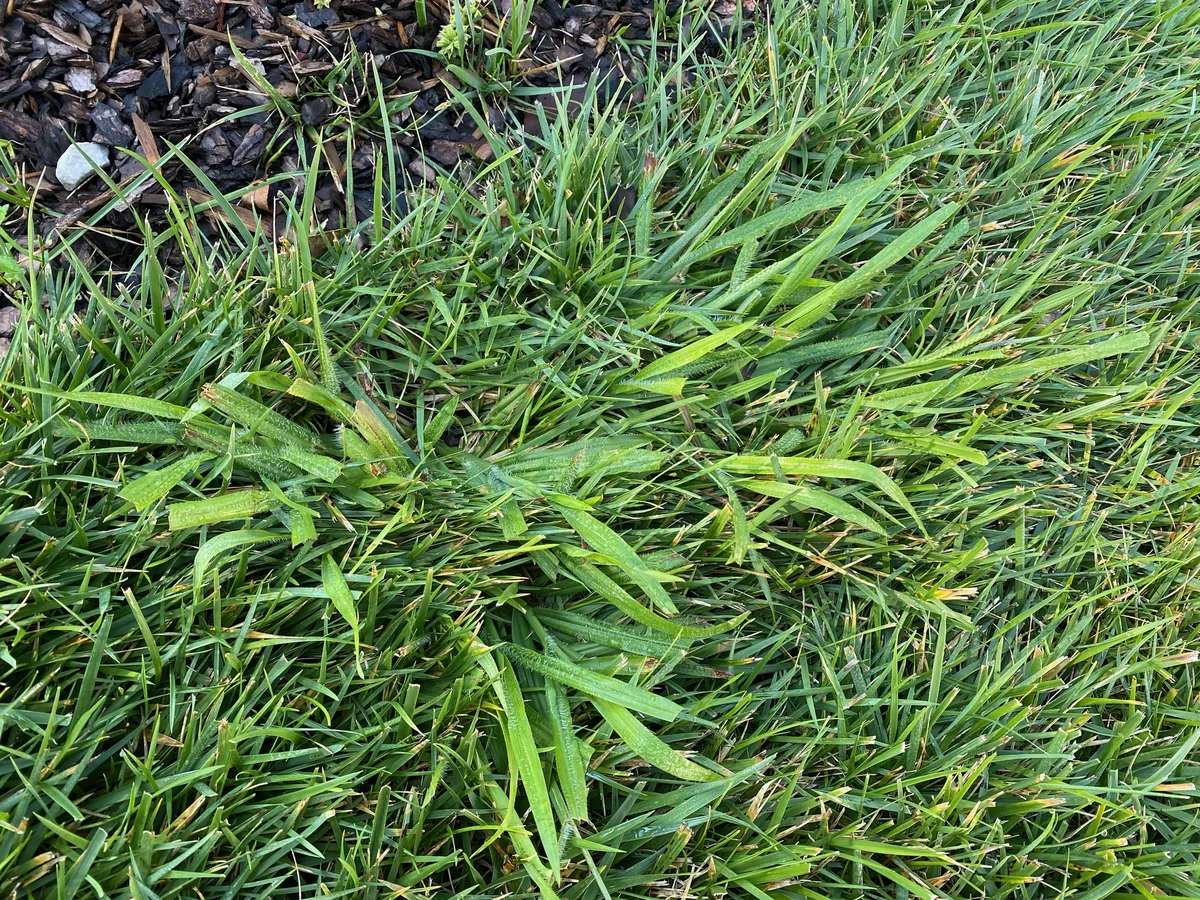
If you've moved into The Grove or another new neighborhood here, you've seen the pattern. A patch of coarse grass appears mid-summer along a driveway or in a thin spot. You might call it crabgrass, but it's likely dallisgrass or Johnson grass, perennial weeds that came in with the straw used during your lawn's establishment. They don't just die in the fall; their roots survive underground, waiting to explode again each June. In the shallow, rocky soil common near boulevards and hardscapes around College Grove, common Bermuda also thrives because the gravel heats up fast, stressing fescue and giving that wiry invader a foothold. These aren't one-and-done problems. They require a specific, timed strategy most standard weed sprays miss completely.
The Spring Hill Corridor Problem
My approach starts with recognizing College Grove as part of the Spring Hill construction corridor. The weed seeds and rhizomes in cheap straw blends are a known issue here. That's why timing is everything. I treat in late winter and early spring, well before you even see these weeds at a mowable height. By applying when soil temperatures are just starting to rise, I can use safer, lower rates of herbicide that are effective on young plants but gentle on your fescue. This early strike weakens perennial weeds like dallisgrass as they break dormancy, setting them up for failure later in the year. Waiting until you see them in June means fighting a mature, resilient plant in the heat, which often just burns the top growth and leaves the roots untouched.
Fighting Heat in Shallow Soil
The gravel mixed into your soil from construction doesn't just affect drainage; it turns the upper few inches into an oven by mid-June. Fescue roots can't go deep where it's hot, so they stall. Common Bermuda, however, loves it. This is why you see it taking over along driveways on Sam's Creek Road or in sunny, thin areas. My program accounts for this by building deep, healthy fescue roots through proper fertilization and stress management long before summer hits. A thick, healthy lawn is the best defense, outcompeting weeds for space and resources. For the weeds that do appear, I use a multi-target chemistry approach in the cool spring and fall windows, when herbicides can be effectively translocated down to the root systems of these perennials without risking damage to your desirable grass from heat volatility.
Your Two-Pass Defense
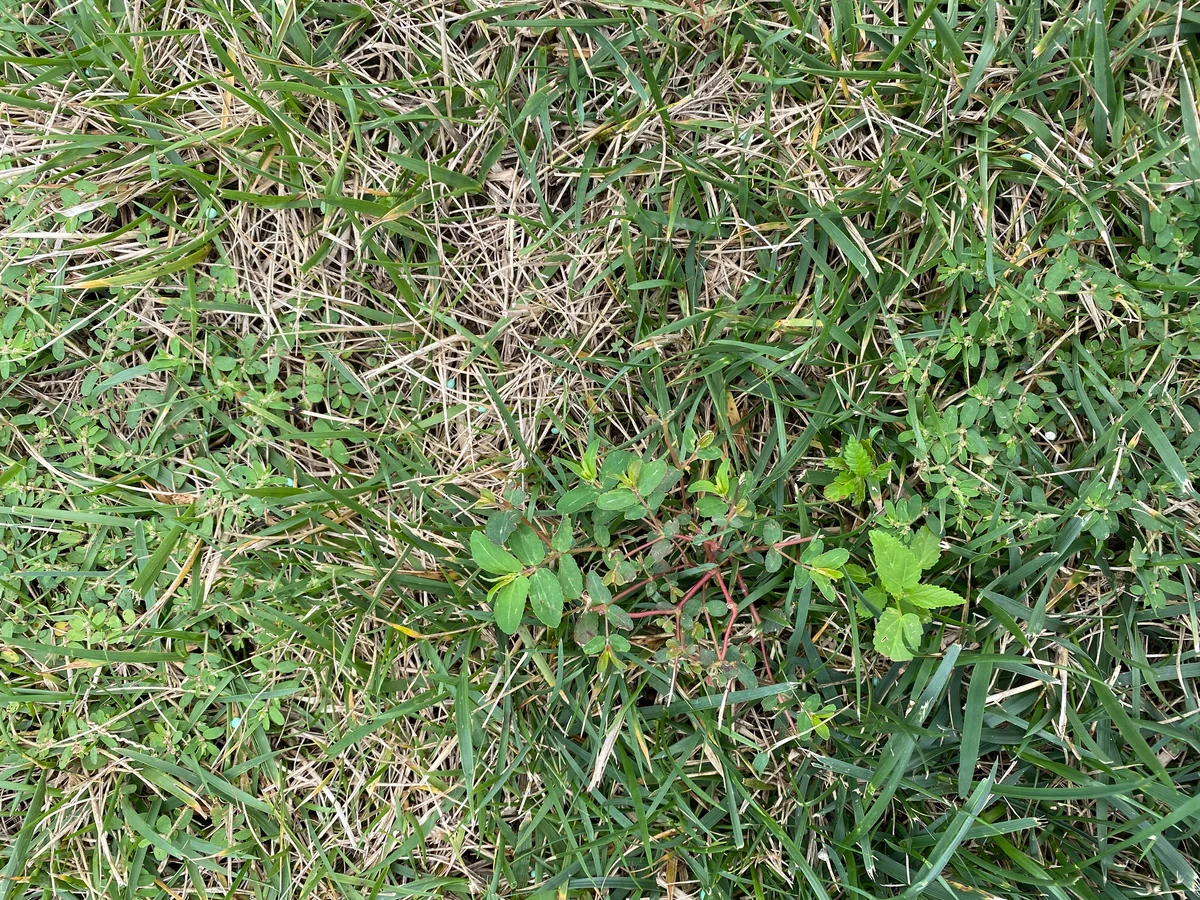
For the annual weeds like chickweed and henbit that pop up in bare spots, I use a precise two-pass pre-emergent schedule. The first application in late winter protects against summer annuals. The second in early fall protects against winter annuals like Poa annua. This creates a year-round barrier, drastically reducing the need for reactive "rescue" sprays. It means less total herbicide on your lawn, which is safer for your family and pets. For the tough perennials common here, control is a multi-year commitment of spring and fall treatments. I won't promise to erase your dallisgrass in one shot; that's a lie. But I will suppress it every time I visit, and systematically weaken it over 2-3 years until your fescue wins.
Why Weed Control Matters in College Grove
Middle Tennessee's transition zone climate means your fescue lawn competes with both cool-season and warm-season weeds. Crabgrass, goosegrass, and nutsedge thrive in our hot summers, while henbit, chickweed, and annual bluegrass invade during mild winters. The heavy clay soils throughout Maury and Williamson counties also create thin spots where weeds establish quickly. Our weed control program addresses this full spectrum of weed pressure with seasonally appropriate treatments.